I Beam Strength, Dimensions, and Uses
- Share
- From
- JUNNAN NEWS
- publisher
- Gloria
- Issue Time
- May 9,2026
Summary
Even though I-beams are used in various structures such as skyscrapers and apartment buildings, they have their own share of pros and cons. After all, there’s a reason that different types of steel beams exist in addition to the I-beam.
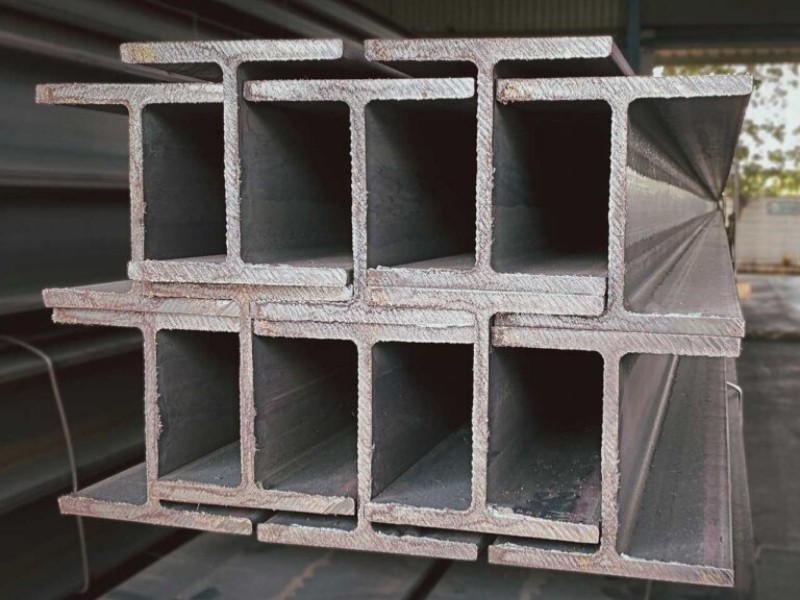
You can't construct a building without its structural components. These are the parts that all the other decor and furnishings attach themselves to. Steel i beam is one of the fundamental pieces that hold everything together. In fact, they are some of the strongest beams and are capable of bending under high stress instead of buckling. However, metal i beam strength depends on a variety of factors such as dimensions and the type of steel used.
Here's everything you need to know about I-beams and their use in steel construction projects.
Common I-Beam Strength Limits and Uses
As their name implies, structural steel i beam is fabricated in the shape of the capital letter I. They're made of a single piece of metal, with a thin web and tapered flanges. The main difference between an I-beam and something like an H-beam is the shape, which affects how the beam can be used in a construction project.
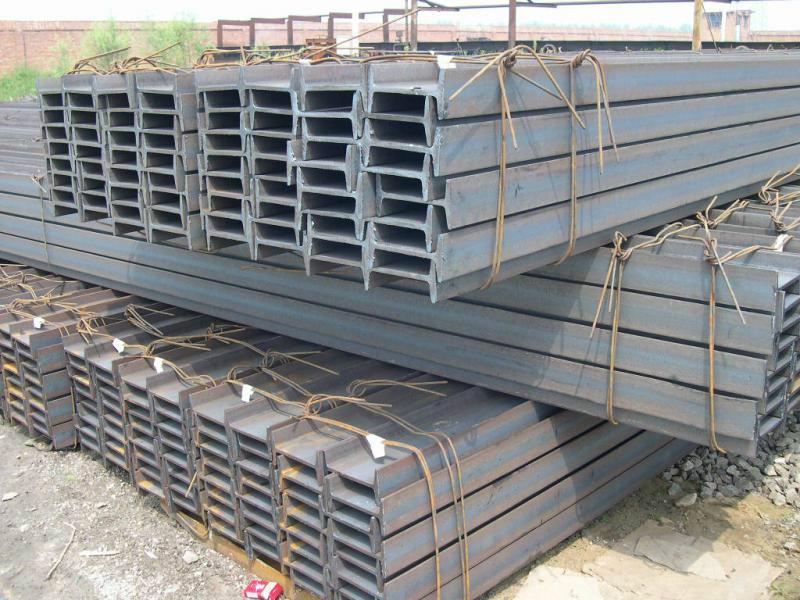
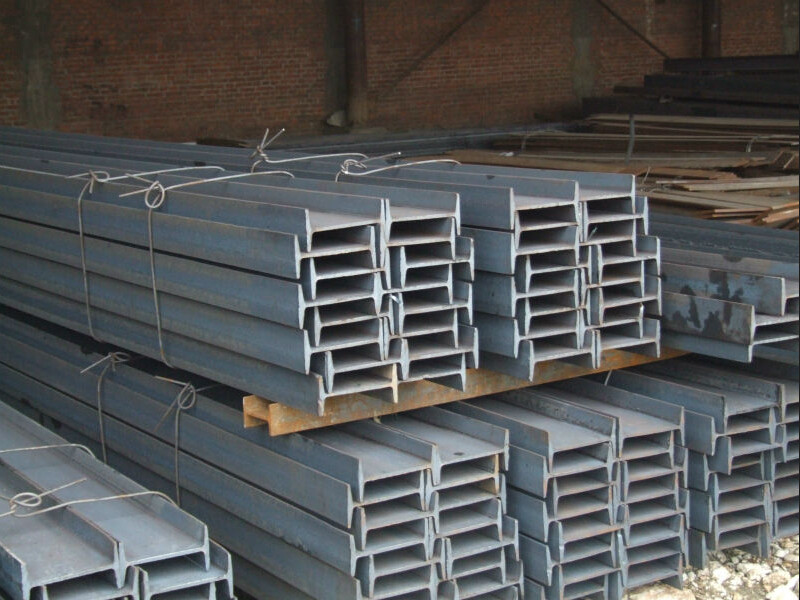
I-beams are used for spans of 33 to 100 feet. Their unique shape gives them resistance to local buckling, reduces weight, and allows them to withstand direct and tensile loads. However, they aren't that resistant to bending and cannot handle twisting loads. Some of the ways I-beams are used include making support frames and columns for steel buildings and bridges. As a universal beam, they’re the building blocks in steel frameworks.
Standard steel universal i beam sizes range from S24 x 121 all the way down to S3 x 5.7. The former can handle a nominal weight of 121 lb/ft, while the latter can handle up to 5.7 lb/ft. Although I-beams share a similar structure to others like H-piles and wide flange beams, they're considered the standard. H-pile beams are heavier and have an equal thickness across all sections which provides greater vertical loads. Wide flange beams have wider legs than standard beams, though the web and flange thicknesses may differ.
Factors Affecting I-Beam Strength
Due to their shape, I-beam strength is directly related to their dimensions. These include depth of section, flange size, and web thickness. They also may prove stronger or weaker depending on the type of metal used.
Material
Metal i beam price and other construction steel products are made out of low-carbon steel. They differ from higher-carbon steels in that they have high ductility and are usually alloyed with other metals like chromium and silicon. The beams are then broken down further into different grades with varying metal content.
There are three main grades of structural-steel beams to consider for your next project: A992/A572-50, A588, and A36.
Steel dual certified as A992 and A572-50 is a high-strength and low alloy option. It's hot-rolled and is the most common steel material used in construction. It boasts a minimum yield of 50 ksi and a minimum tensile strength of 65 ksi.
A588 steel is also high-strength and low-alloy. It's copper-bearing steel with a minimum yield of 50ksi and minimum tensile strength of 70 ksi. You may use them if you hope to save money and reduce weight.
A36 steel is used more generally in construction. It has a minimum yield of 36 ksi and a minimum tensile strength of 58 ksi. Expect high ductility and affordability.
Depth of Section
The first of the I-beam dimensions to know is depth of section. This refers to the distance between the top and bottom flange. In other words, it's the entire length or height of the I-beam. On its own, a large depth of section doesn't increase or lower I-beam strength. However, a larger number may result in a weaker structure if the flange and web don't also increase.
Flange Width and Thickness
Flange width and thickness refer to the ends of the i beam construction. These are the parts of the beam that press up against one another and stabilize the weight. They also provide an area for the weight to distribute across.
Web Thickness
The web is the middle part of the I-beam that connects the two flanges. It's the most important part of the entire structure that takes on the brunt of the weight. If there's a defect in the web, that could jeopardize the entire beam.
As such, web thickness has a big influence on I-beam strength. However, a thinner flange and a larger depth of section would put more pressure on the web.
Purchasing the right I-beams for your project will depend on their dimensions and the type of steel. Even if you know how to get the best I-beam strength available, it won't matter if the materials are defective.
Junnan Steel offers services in warehousing, processing, and distributing metals. We're the world's leading wholesale steel distributor, and we can help supply you with what you need to succeed. Contact us if you have any questions or to request a quote.