Wire Rod as Raw Material: The Backbone of Steel Processing and Manufacturing
- Share
- publisher
- Junnan Steel
- Issue Time
- Aug 3,2026
Summary
How wire rod feeds the steel processing chain - drawing, annealing, galvanizing, and fabrication - and what buyers should check before sourcing.
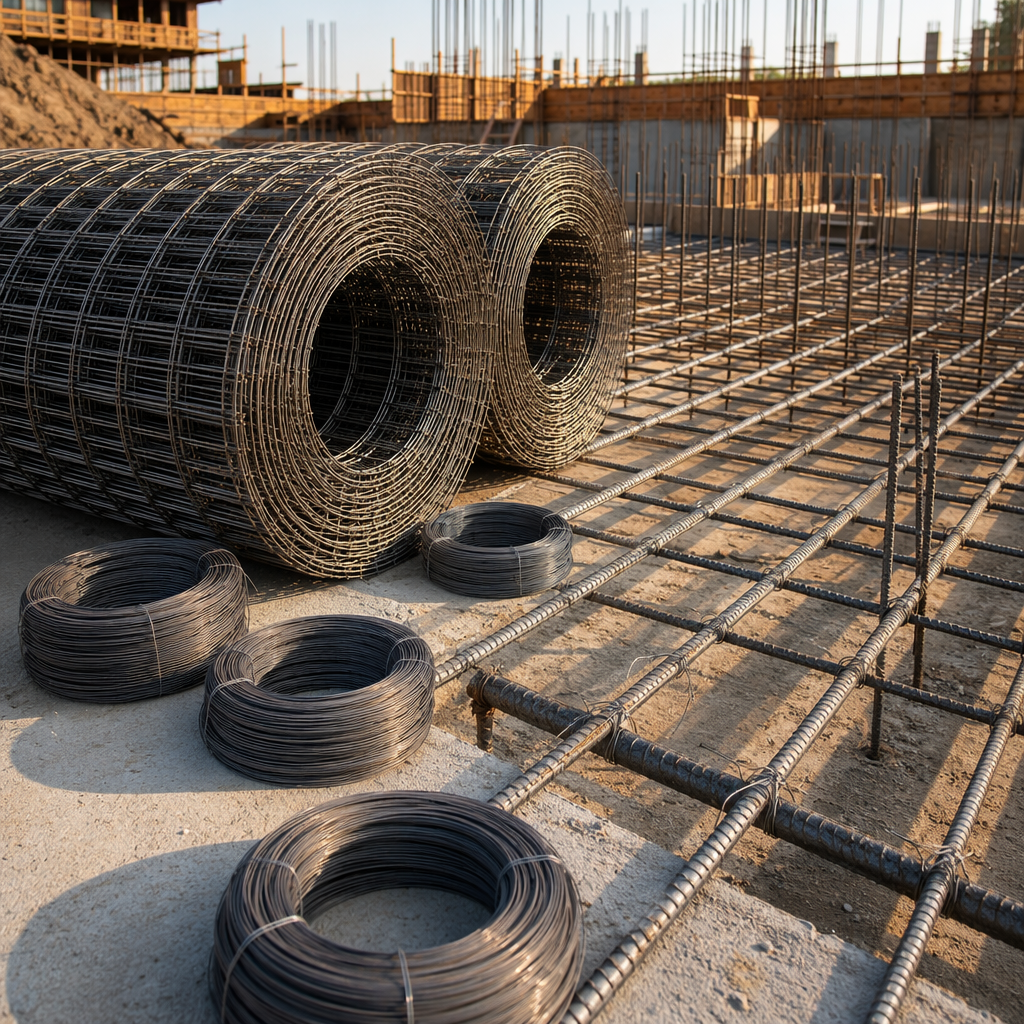
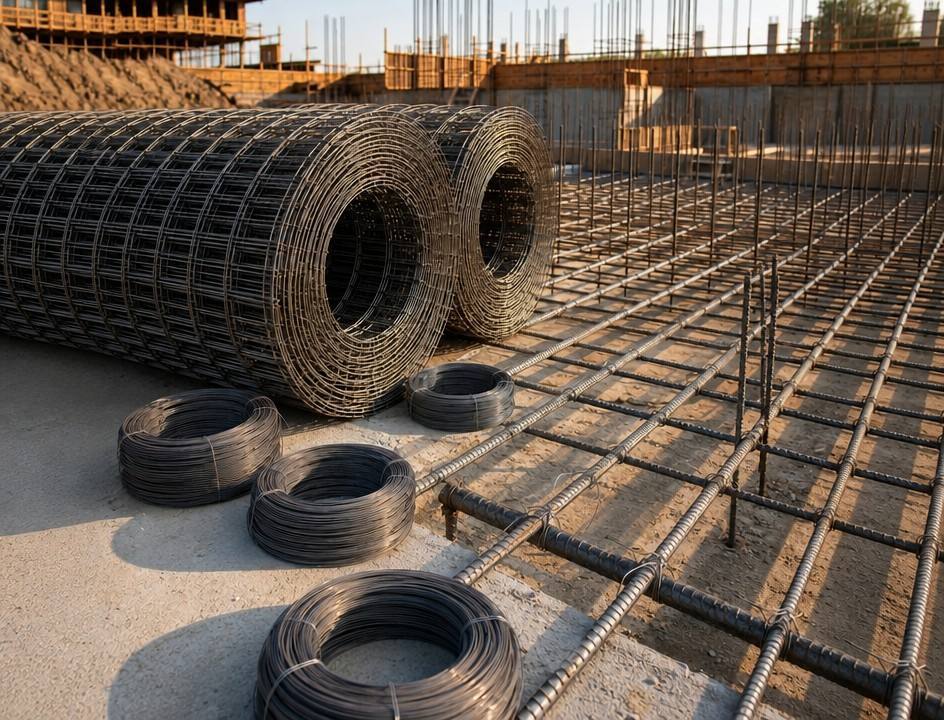
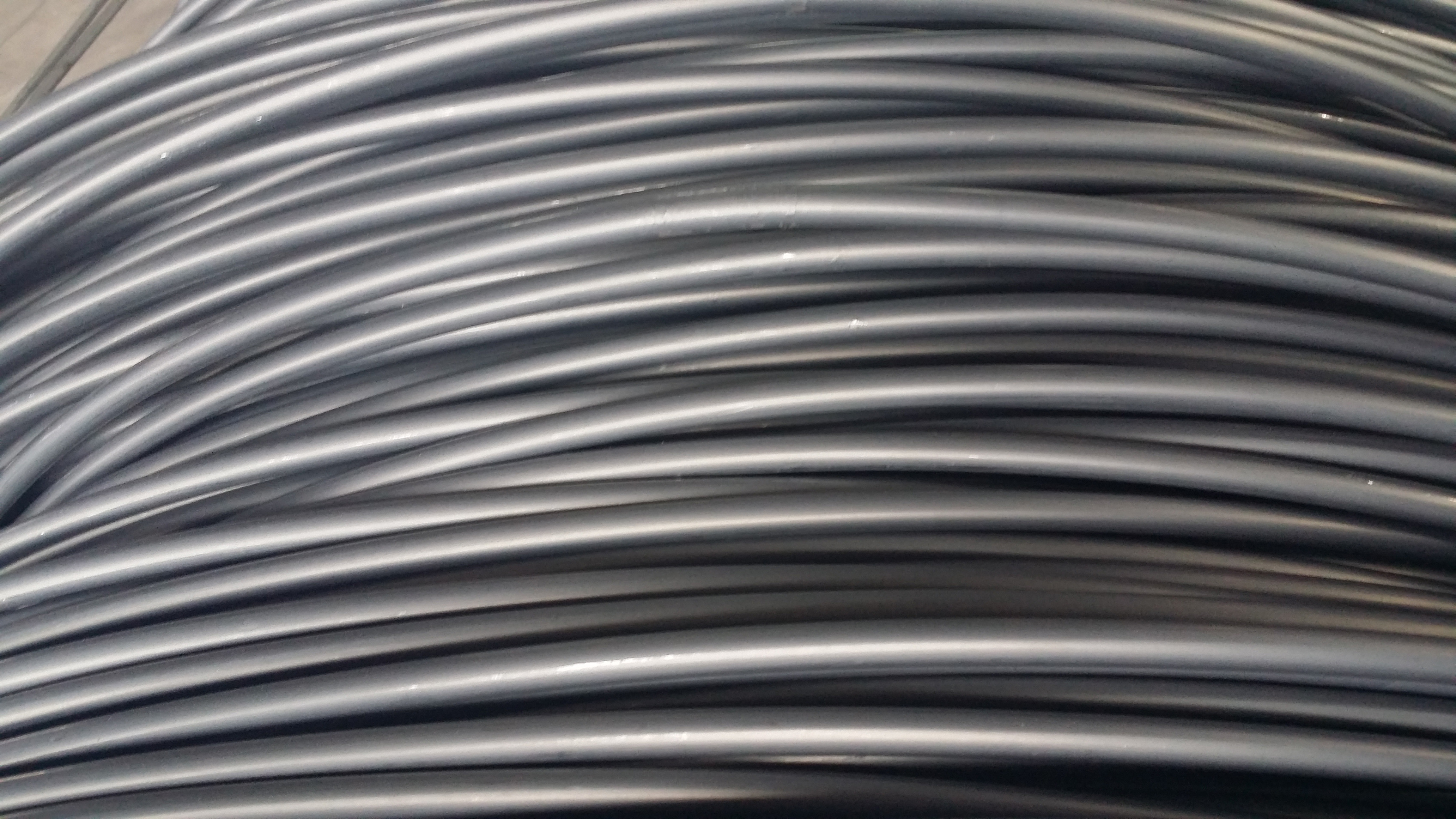
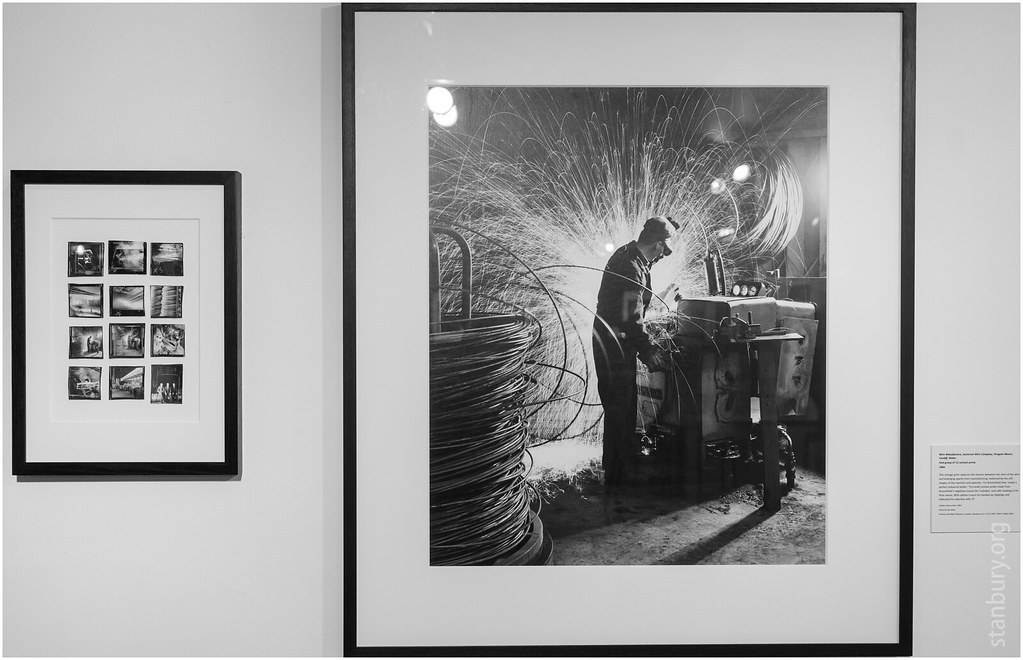
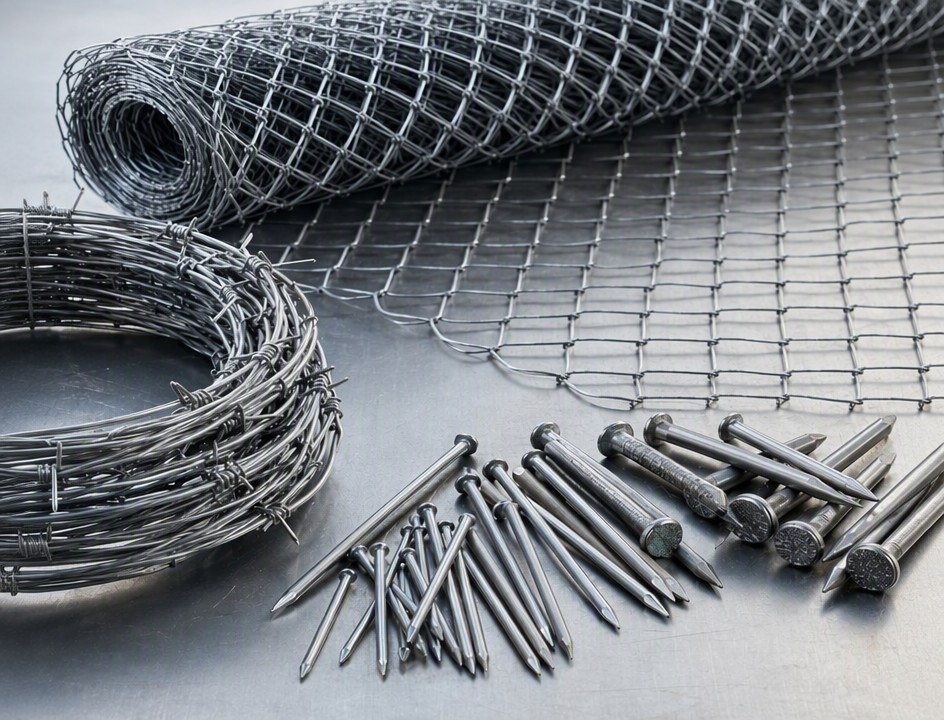
Every steel wire product around you starts the same way: as a hot-rolled wire rod coil. From the nails in a pallet and the springs in a car seat to welded mesh in concrete and galvanized fencing around a warehouse, wire rod is the upstream raw material that feeds an entire chain of steel processing industries. For buyers sourcing wire rod, understanding how this semi-finished product behaves in downstream processing is the difference between a smooth production line and costly downtime. Wire rod is a hot-rolled coil of steel produced in diameters typically ranging from 5.5 mm to 16 mm. It is delivered in coil form so that downstream processors can continuously unwind, draw, and reshape it. Because it is a semi-finished feedstock rather than a final product, its metallurgical consistency, surface quality, and dimensional tolerance directly determine the yield and cost of everything made from it. Three characteristics define whether a wire rod lot will process well in your plant: Most wire rod consumers run one or more of the following conversion steps. Knowing which route your application needs helps you specify the right grade from the start. The coil is unwound and pulled through a series of dies that reduce its diameter and increase tensile strength. Low-carbon rod is drawn into binding wire, tie wire, and mesh wire; high-carbon rod is drawn into spring wire, rope wire, and PC wire. Process annealing restores ductility after drawing, while patenting prepares high-carbon rod for further drawing into prestressed concrete strand and tire bead wire. Heat treatment choices define the final strength and elongation balance. Zinc coating converts ordinary wire into corrosion-resistant galvanized wire for fencing, cable armoring, and agricultural uses. Coating weight and adhesion must match the service environment of the end product. Drawn or coated wire is then cut, bent, welded, or stranded into final goods: nails, staples, chain link fencing, welded mesh, springs, and wire ropes. Each fabrication step inherits the consistency of the rod it started from. Because wire rod is a raw material, its value chain reaches nearly every sector of the economy. Four industries consume the largest share of processed wire: Rebar tie wire, welded mesh, nails, and binding wire for concrete reinforcement and formwork. High tensile and good weldability are the priorities. Nails, screws, staples, and wire forms. Clean surface and consistent drawability keep high-speed forming machines running without breakage. Spring wire, valve spring wire, and tire bead wire. These demand high-carbon rod with tight chemistry control and flawless surface quality. Galvanized fencing, trellis wire, and cable armoring. Zinc-coated rod and wire deliver the long service life outdoor environments require. The most common sourcing mistake is buying rod by price alone, then discovering mid-production that the chemistry or surface does not match the application. A practical selection checklist looks like this: For processors running drawing lines, low-carbon wire rod in SAE1006 to SAE1018 range covers most binding, mesh, and general-purpose wire. High-carbon grades from SAE1060 upward are the feedstock for springs, rope wire, and prestressed products. Galvanized rod adds a zinc layer at source, saving a process step for fencing and agricultural wire buyers. Wire rod is typically hot-rolled in 5.5 mm to 16 mm diameters. The 5.5 mm and 6.5 mm sizes are the most common starting points for downstream wire drawing. Both are possible. Buying wire rod lets you control the drawing process, cost, and final properties in-house. Buying finished wire from a mill that also processes rod is faster when you do not run your own drawing line. Request mill test certificates, check surface and diameter tolerance on arrival, and run a small trial coil through your processing line before committing to bulk volume. A reliable wire rod supplier is not just selling steel; it is selling predictable processing performance. Since 2015, our company has supplied wire rod and processed steel products to buyers across 118 countries and regions, with consistent chemistry, clean surface, and packing designed for long-distance shipment. Whether you need low-carbon rod for drawing, high-carbon rod for springs and strands, or galvanized rod for outdoor applications, matching the grade to your process from day one saves you time, material, and machine wear. To discuss your specific processing line and grade requirements, send us your application and target standard, and our team will help you select the right wire rod specification for your production. You can also browse our guides for more steel processing knowledge, review our product range, or contact our team directly.Wire Rod as Raw Material: The Backbone of Steel Processing and Manufacturing
What Is Wire Rod, and Why Does It Matter as a Raw Material?
The Main Processing Routes from Wire Rod to Finished Wire
Wire Drawing
Annealing and Heat Treatment
Surface Coating and Galvanizing
Forming and Fabrication
Where Processed Wire Ends Up: Key Application Industries
Construction
Fasteners and Hardware
Automotive and Mechanical
Agriculture and Infrastructure
Choosing the Right Wire Rod for Your Processing Line
Buyer's Quick Checklist
Frequently Asked Questions
What diameter range is wire rod supplied in?
Can I buy wire rod directly for drawing, or must I buy finished wire?
How do I verify wire rod quality before a large order?
Partnering with a Wire Rod Supplier That Understands Processing