Wire Rod Standards Compared: ASTM A510, GB/T 14981, JIS G3505 and EN
- Share
- publisher
- Junnan Steel
- Issue Time
- Aug 14,2026
Summary
Wire rod standards compared: ASTM A510, GB/T 14981, JIS G3505 and EN - scope, grade equivalents and tolerance differences.
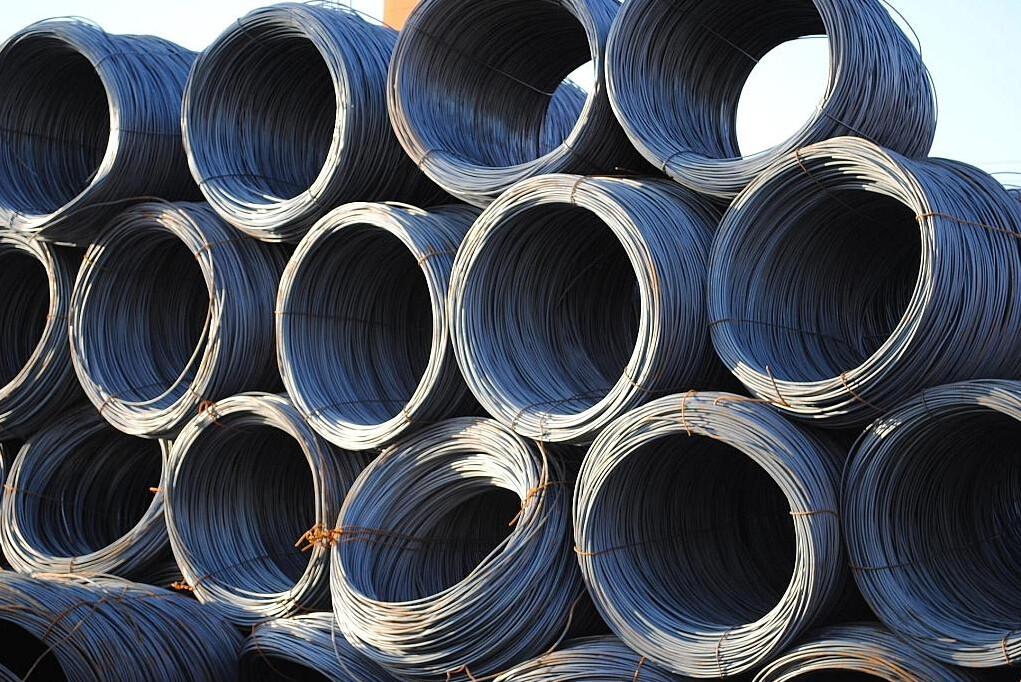
Wire rod is produced and sold to different standards around the world, and the standard you specify controls everything: chemistry, diameter tolerance, surface quality, testing, and even how the certificate is worded. Buyers in Africa and the Middle East often receive offers quoting ASTM, GB, JIS, or EN standards, and comparing them directly is not always straightforward. This guide explains the four most common wire rod standards, what they cover, and how to translate between them when you compare quotations. US standard for carbon steel wire rods and coarse round wire. Widely accepted in export markets and often the default for SAE grade rod. Chinese standard for hot-rolled wire rod dimensions, shape, weight, and permissible deviations. The main standard for rod produced in China, the largest exporter to Africa and the Middle East. Japanese standard for low carbon steel wire rods (SWRM series). Known for strict quality control and consistency, common in Asia and on projects using Japanese specifications. European standard for non-alloy steel rod for drawing and cold rolling. Used on projects following European specifications and in markets aligned with EN practice. The table summarises typical scopes as a reference; always read the specific edition of the standard cited on the mill test certificate. Tolerance is where buyers feel the difference between standards. GB/T 14981 and ASTM A510 both define tolerance grades, and a coil ordered to a looser grade will cost less but vary more in diameter. If your drawing dies are set for a tight range, specify the tolerance grade explicitly rather than just quoting the standard name. Each standard defines its own grade names, but the chemistry behind them overlaps heavily. Knowing the equivalents helps you compare offers from different origins. These equivalences are practical, not exact: each standard has its own element limits and testing rules, so compare the actual certified values before substituting grades. If your customer's project specifies a standard, match it. This is common on infrastructure projects in Africa and the Middle East that follow British, European, or American specifications. Buying from China? GB/T 14981 rod is standard and well priced. Buying from an international trader? ASTM or SAE references are widely understood. Many Chinese mills can issue certificates referencing GB/T with chemical equivalence to SAE or JIS. Confirm this before ordering if your market needs a specific standard name. Often yes, because chemistry and tolerances overlap, but acceptance depends on the project specification and the inspector. Ask the mill to provide an equivalence statement and be ready for third-party verification. C stands for non-alloy steel for cold forming or drawing, and the number indicates the carbon content in hundredths of a percent. C8D means approximately 0.08% carbon. The standard itself does not set the price, but tighter tolerances, additional testing, and cross-certification do add cost. Specify only what your production or project actually requires. Since 2015, our company has supplied wire rod produced to GB/T, SAE/ASTM, and other recognised standards to buyers across 118 countries and regions, including core markets in Africa and the Middle East. We clearly state the standard, tolerance grade, and chemistry on every quotation, and we can arrange certificates that reference the standard your project requires. Send us your specification and we will confirm the best match. You can also read more of our wire guides, review our wire rod products, or contact our team for details.Wire Rod Standards Compared: ASTM A510, GB/T 14981, JIS G3505 and EN
The Four Standards You Will Meet
ASTM A510
GB/T 14981
JIS G3505
EN (e.g., EN 10016)
What Each Standard Covers
Scope ASTM A510 GB/T 14981 JIS G3505 EN 10016 Primary focus Dimensions, tolerances, testing Dimensions and tolerances Chemistry of SWRM grades Grades + dimensions for drawing rod Grade naming SAE1006-1080 Q195, Q215, Q235 series SWRM6, SWRM8, SWRM10 C4D, C8D, C18D, C4C... Typical diameter range ~5.5 - 25 mm 5.5 - 16 mm (common) 5.5 - 42 mm 5.5 - 25 mm Certificate language English English/Chinese bilingual common English/Japanese English/EU languages Common in Export markets, SAE orders Chinese mills, Africa, Middle East Japan, Asia, JIS-spec projects Europe, EU-funded projects Diameter Tolerance: The Area Where Standards Differ Most
How to Specify Tolerance on Your Order
Chemical Composition: Same Idea, Different Tables
Which Standard Should You Specify?
Follow your end customer
Otherwise, choose by origin
Ask for cross-certification
Frequently Asked Questions
Is GB/T 14981 rod acceptable for ASTM-based projects?
What does the C in EN grades like C8D mean?
Do different standards change the price?
Compare Standards, Then Compare Offers