The Complete Guide to Steel Structure Buildings: Design, Benefits, Cost & Construction for Warehouses and Workshops
- Share
- Issue Time
- Jul 16,2026
Summary
A comprehensive guide covering steel structure building design principles, cost analysis, construction timeline, key benefits, and expert tips for warehouses and workshops. Trusted insights from JunNan Steel with 20 years in the industry.
1. What Is a Steel Structure Building?
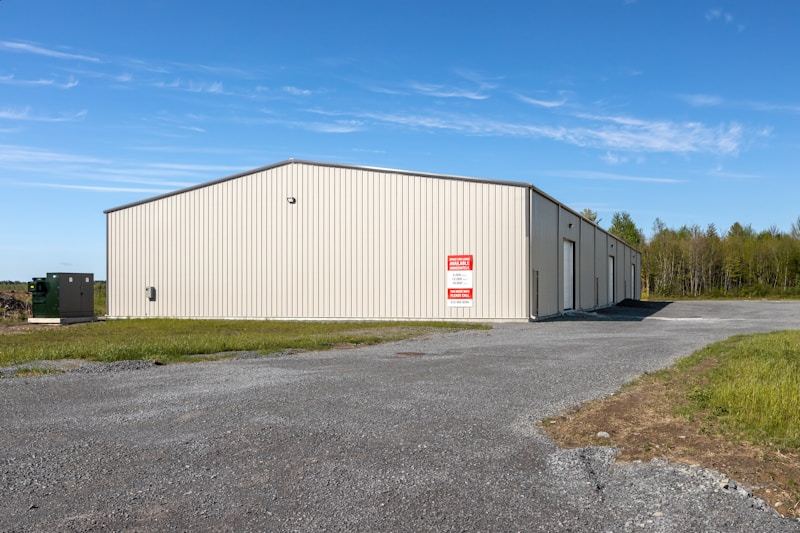
A steel structure building is a type of building where the primary load-bearing framework is made of fabricated steel sections—columns, beams, trusses, and bracing—connected through bolting or welding. Unlike traditional reinforced concrete or masonry construction, steel structures offer superior strength-to-weight ratios, faster erection times, and greater design flexibility. From massive industrial warehouses to multi-story workshops, steel frames have become the backbone of modern commercial and industrial construction worldwide.
2. Key Components of a Steel Structure
Understanding the anatomy of a steel building helps you make informed procurement decisions. The main components include:
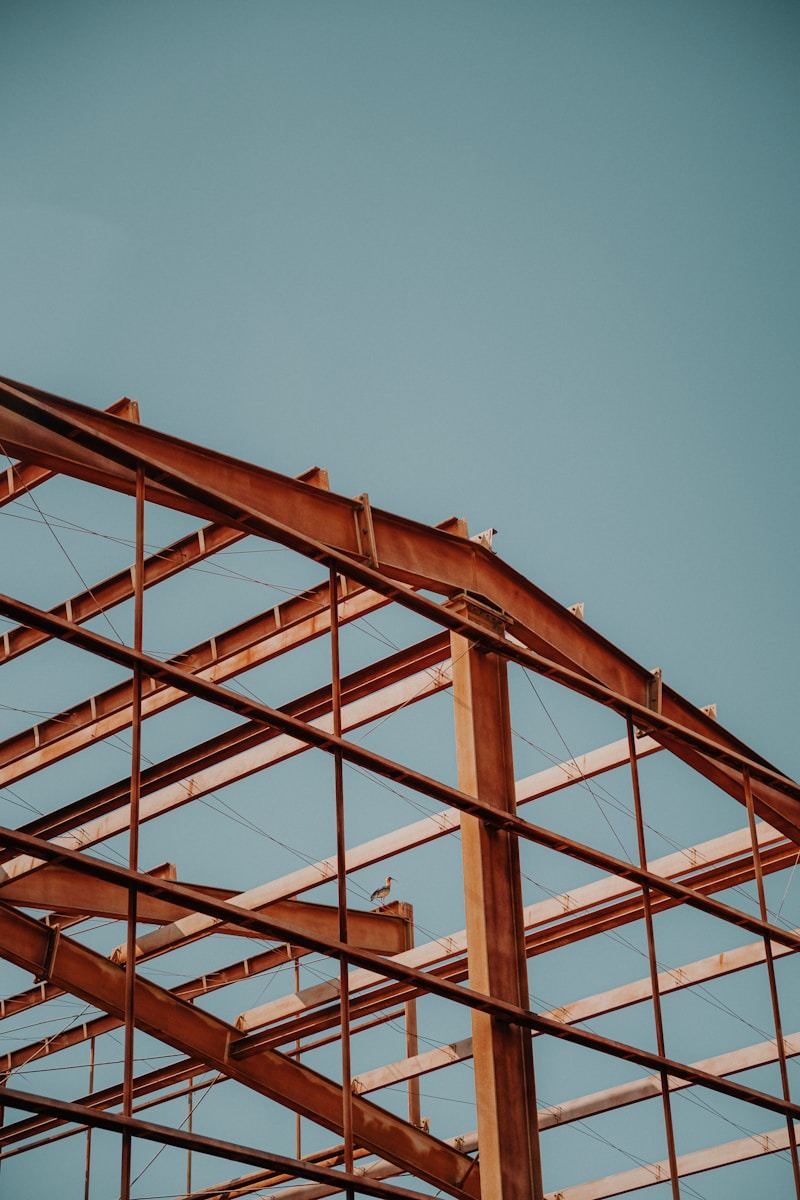
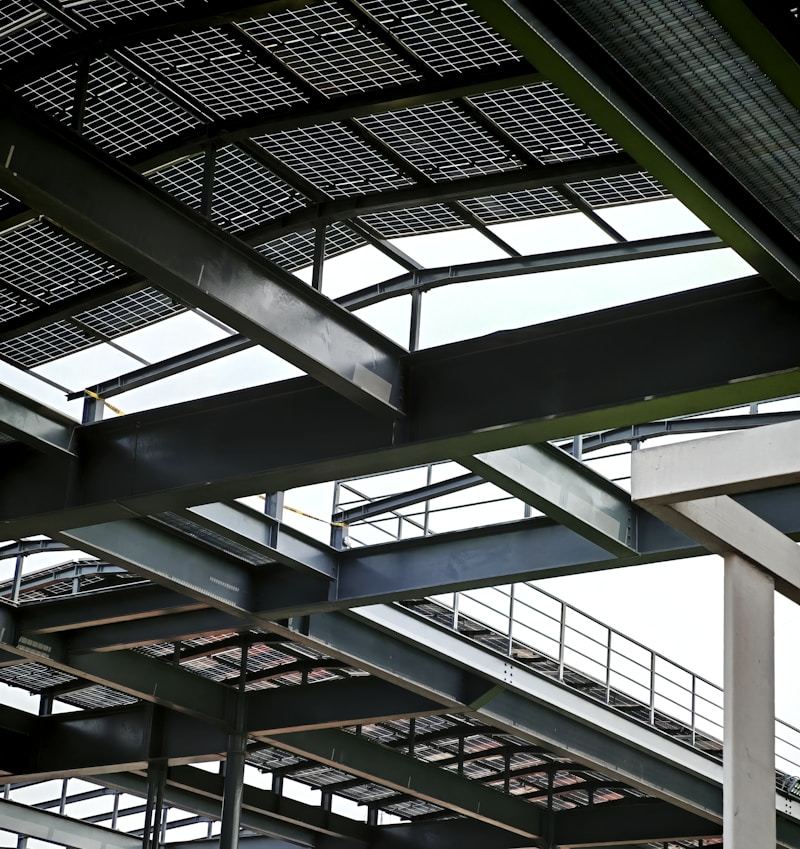
- Primary Framing: Rigid steel columns and rafters that form the main skeleton. Common profiles include H-beams, I-beams, and box columns.
- Secondary Framing: Purlins, girts, and eave struts that support wall and roof panels between primary frames.
- Bracing System: Cross bracing, portal frames, or shear walls that resist lateral loads from wind, seismic activity, and crane operations.
- Roof & Wall Cladding: Corrugated steel sheets, insulated sandwich panels, or GI/PPGI sheets for weatherproofing and thermal insulation.
- Foundation Anchors: Anchor bolt assemblies and base plates that transfer structural loads to the concrete foundation.
3. Why Choose Steel Over Concrete or Wood?
The global steel construction market is projected to reach $155 billion by 2028, driven by urbanization and infrastructure demands. Here is why steel outperforms alternatives:
- Strength & Durability: Steel offers the highest strength-to-weight ratio among common building materials. A steel beam can span greater distances with fewer supports, maximizing usable floor space.
- Speed of Construction: Prefabricated steel components arrive ready to bolt together on-site. A typical 5,000 sqm warehouse can be erected in 6–8 weeks versus 4–6 months for reinforced concrete.
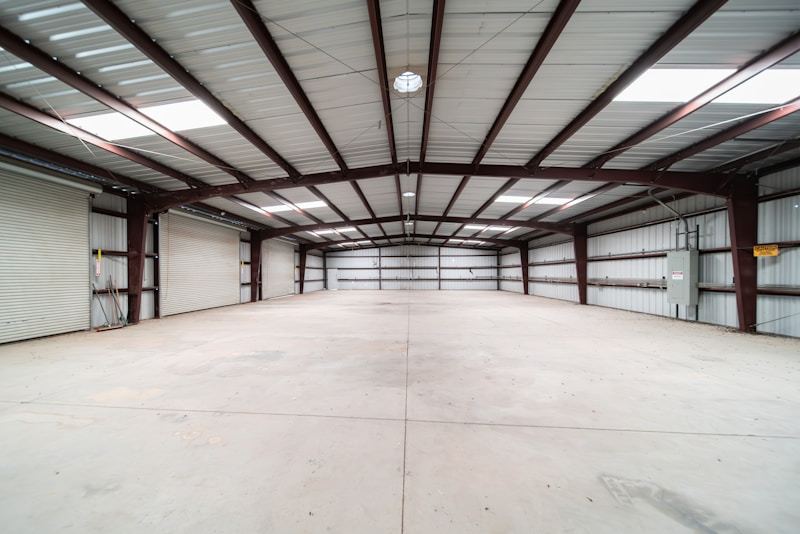
- Design Flexibility: Steel allows clear-span interiors up to 60 meters without interior columns, ideal for warehouses, aircraft hangars, and production halls.
- Sustainability: Steel is 100% recyclable. A steel building produces roughly 30% less embodied carbon compared to an equivalent concrete structure.
- Cost Efficiency: While the per-tonne steel price fluctuates, total project costs can be 15–30% lower than concrete when factoring in foundation, labor, and timeline savings.
4. Popular Types of Steel Structure Buildings
4.1 Steel Structure Warehouses
Clear-span steel warehouses offer unobstructed storage space for logistics, cold chain, and e-commerce fulfillment centers. Features include high eave heights (up to 12–15 meters), heavy-duty crane systems, and dock-level loading bays.
4.2 Steel Structure Workshops
Manufacturing and fabrication workshops require robust steel frames to support overhead cranes, heavy machinery, and mezzanine floors. Fire-resistant coatings and ventilation systems are commonly integrated.
4.3 Steel Structure Buildings for Commercial Use
From office complexes to retail showrooms, steel frames provide fast construction timelines and architectural freedom. Cladding options include glass curtain walls, insulated metal panels, and decorative steel finishes.
4.4 Prefabricated Steel Buildings
Prefab steel buildings are designed off-site and assembled on location. They offer the fastest construction cycle, factory-controlled quality, and reduced material waste. Ideal for remote or greenfield projects.
5. Steel Structure Design Considerations
Designing a steel building requires careful analysis of several factors:
- Load Requirements: Dead loads (self-weight), live loads (occupancy, equipment), wind loads, snow loads, and seismic loads all affect the steel section sizes and connections.
- Bay Spacing: Typical column spacing ranges from 6 to 12 meters for warehouses. Wider spans increase usable space but require heavier sections.
- Eave Height: Standard warehouse eave heights are 8–12 meters. Clear height directly affects storage racking capacity and ventilation design.
- Crane Provisions: If the building requires overhead cranes, the steel frame must be designed for additional dynamic and vertical loads at crane rail levels.
- Thermal Performance: Insulated roof and wall panels, coupled with proper ventilation, help maintain interior temperatures and reduce HVAC energy costs.
6. Steel Structure Cost Breakdown
Understanding the cost structure is essential for project budgeting. Typical costs for a steel warehouse or workshop in 2025–2026:
| Cost Item | Percentage of Total | Notes |
|---|---|---|
| Steel Structure (Fabrication & Supply) | 40–55% | Includes beams, columns, bracing, bolts |
| Cladding & Insulation | 15–25% | Roof & wall panels, insulation material |
| Foundation & Civil Work | 10–18% | Concrete footings, floor slab, site prep |
| Erection & Installation | 8–15% | Labor, crane hire, equipment rental |
| MEP & Finishing | 8–12% | Electrical, plumbing, fire protection, interior |
7. Steel Quality Standards and Certification
Not all steel is created equal. Reliable structural steel must comply with international quality standards:
- ASTM Standards: ASTM A36 (carbon structural steel), ASTM A572 (high-strength low-alloy steel), ASTM A992 (wide-flange shapes).
- EN Standards: EN 10025 (hot-rolled structural steel), EN 10210 (hot-finished hollow sections), EN 10219 (cold-formed welded sections).
- GB/T Standards: GB/T 1591 (low-alloy high-strength steel), GB/T 11263 (hot-rolled H and T sections).
- Third-Party Certification: SGS, BV, and ISO 9001:2008 certified suppliers ensure material traceability and compliance.
JunNan Steel is an Alibaba-assessed supplier with SGS and ISO 9001:2008 certification, ensuring every shipment meets international quality benchmarks. Over 16 quality inspection processes are applied to each product before dispatch.
8. How to Choose a Reliable Steel Supplier?
Selecting the right steel supplier can make or break your project timeline and quality. Here are actionable tips:
- Check Industry Experience: Look for suppliers with at least 10 years in steel trading and exports. JunNan Steel has served 118+ countries since 2015.
- Verify Certifications: ISO 9001, SGS, and BV certifications indicate consistent quality management.
- Evaluate Product Range: A one-stop supplier saves logistics headaches. Ensure they stock structural steel, steel plates, pipes, bars, fasteners, and cladding.
- Assess After-Sales Support: Reliable suppliers provide material inspection reports, logistics tracking, and responsive communication.
- Compare Pricing Transparently: Request itemized quotes for fabrication, surface treatment (painting or galvanizing), packaging, and delivery.
9. Construction Timeline: What to Expect
A typical steel structure project follows this timeline:
- Week 1–2: Design and engineering, structural calculations, shop drawings
- Week 3–5: Steel fabrication at the mill (cutting, drilling, welding, surface treatment)
- Week 6–7: Foundation preparation on-site (excavation, concrete pouring, anchor bolt installation)
- Week 7–10: Steel erection (column installation, main frame assembly, bracing, purlins)
- Week 10–13: Roof and wall cladding, insulation, overhead doors, MEP rough-in
- Week 13–16: Interior finishing, commissioning, and handover
Total project duration: approximately 3–4 months for a standard 3,000–5,000 sqm warehouse, compared to 8–12 months for concrete construction.
10. Common Mistakes to Avoid in Steel Structure Projects
Even experienced project managers can oversights. Avoid these pitfalls:
- Underestimating Foundation Costs: Soil testing is non-negotiable. Inadequate foundations can lead to differential settlement and structural damage.
- Ignoring Local Building Codes: Wind zones, snow loads, and seismic requirements vary by region. Engineering designs must comply with local regulations.
- Skipping Corrosion Protection: In coastal or humid environments, hot-dip galvanizing or specialized paint systems are essential to prevent rust.
- Choosing Price Over Quality: Low-cost steel often hides dimensional inaccuracies, lower yield strength, and poor weldability that create on-site delays.
- Failing to Plan for Expansion: Design your steel building so that future extensions can be connected with minimal structural modification.
11. Why JunNan Steel Is Your Trusted Partner
Tangshan JunNan Trade Co., Ltd. has been at the forefront of China's steel export industry for 20 years. Established in 2015 and headquartered in Tangshan—one of China's largest steel production hubs—JunNan Steel has grown into a one-stop global supplier of steel, machinery, integrated houses, and steel structure solutions.
- Product Coverage: Structural steel (H-beam, I-beam, angle, channel, U-channel), steel plates, GI/PPGI, steel pipes, deformed steel bars, fasteners, steel wire, and steel structure buildings.
- Global Reach: Exports to 118+ countries and regions across Asia, Africa, the Middle East, Europe, and the Americas.
- Quality Assurance: Triple-layer quality inspection, SGS and ISO 9001:2008 certified, with partnerships with top 500 steel mills.
- Professional Team: Nearly 100 experienced staff, each with 10+ years of steel industry expertise, providing personalized multi-to-one service.
- Competitive Advantage: Access to three major shipping ports, 3,000+ stable suppliers, and guaranteed best prices for equivalent quality and delivery terms.
Ready to start your steel structure project? Contact JunNan Steel for a free consultation and project quote. Our team will guide you through material selection, fabrication, shipping, and on-site support—every step of the way.