Steel Pipe for Coastal and Hot-Arid Construction: Exposure, Storage and Specification Guide
- Share
- publisher
- Junnan Steel
- Issue Time
- Nov 17,2026
Summary
Map coastal, hot-arid and covered exposure zones to practical steel pipe coating, packing, storage, handling and inspection requirements.
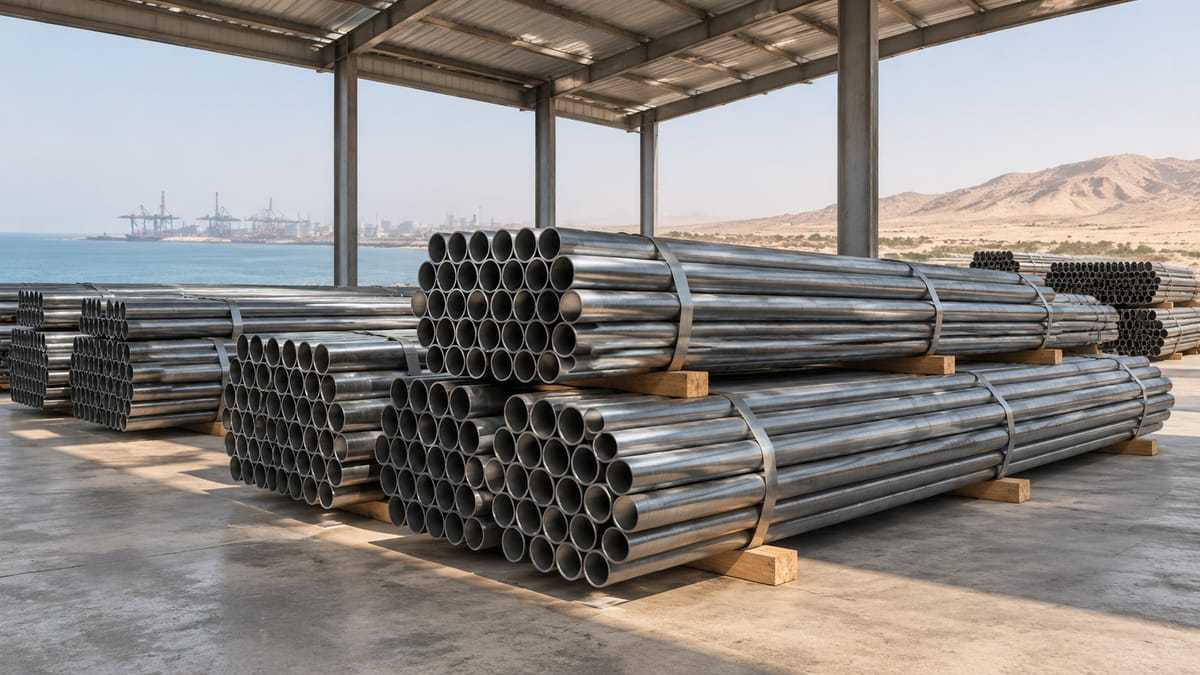
Exposure-led steel pipe procurement
Coastal humidity and hot-arid conditions do not point to one universal steel pipe specification. The practical task is to divide the route from mill to installation into exposure zones, identify the dominant damage mechanisms in each zone, and write measurable coating, packing, storage, handling and inspection controls into the RFQ and purchase order.
Direct answer
For coastal work, plan for salt-bearing moisture, condensation, wet port dwell and damage to protective layers. For hot-arid work, plan for solar heating, dust and sand ingress, abrasive handling, degraded packaging and large temperature swings that can still create condensation. Keep pipe off the ground, provide drainage and ventilation, protect ends and coated surfaces, limit uncontrolled dwell, preserve bundle identity and inspect again after transport or long storage. The project corrosion specialist, applicable standards, approved drawings and coating specification must define the final technical system.
Separate the exposure zones before choosing controls
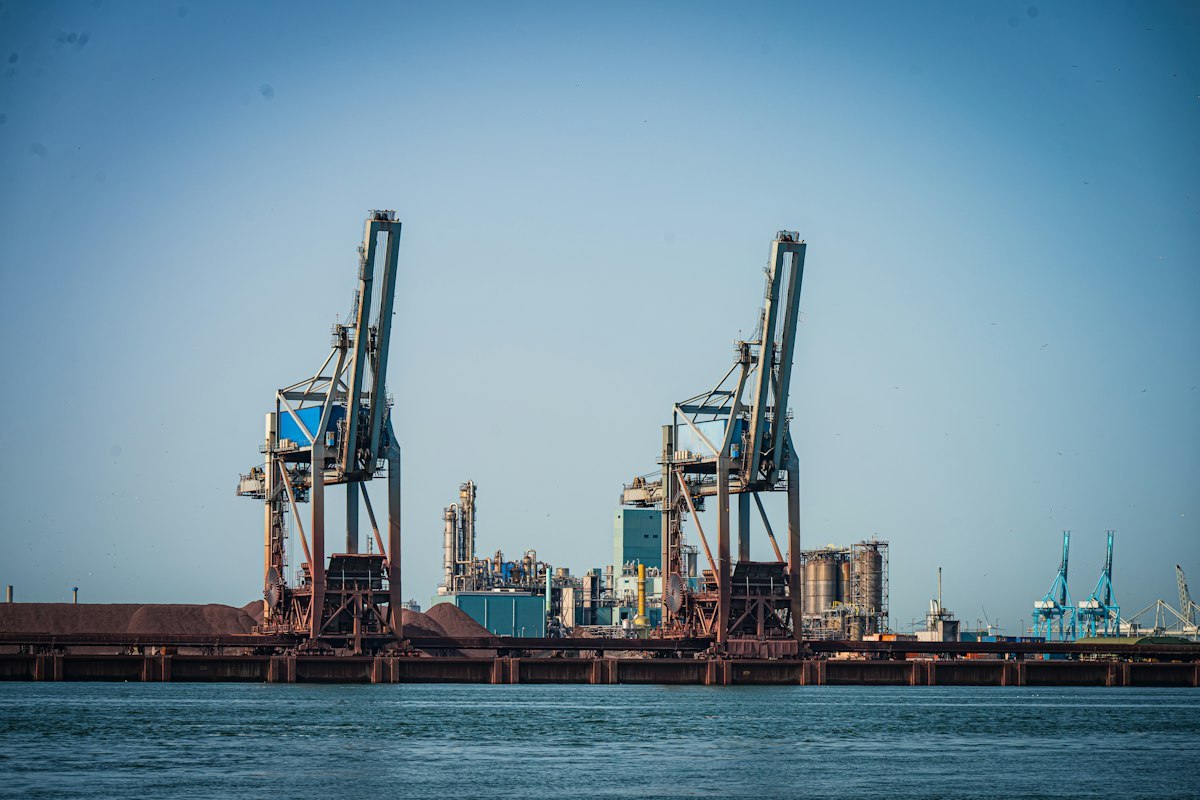
Country or region is too broad to be a technical category. A single order may pass through a humid port, an uncovered inland yard and a shaded installation area. Treat each transfer, storage and use stage as its own exposure zone.
| Exposure zone | Main procurement concern | Control to define | Evidence to retain |
|---|---|---|---|
| Coastal port or marine-influenced yard | Salt-bearing moisture, wetting, condensation and extended dwell. | Coating or temporary protection, drainage, dunnage, cover strategy, inspection frequency and maximum review interval. | Dated condition photos, storage log, damage record and release inspection. |
| Hot-arid open yard | Solar heating, dust, sand, abrasion and packaging degradation. | Shade where required, UV-suitable packing, clean supports, end protection, ventilation and handling method. | Arrival condition, packing checks, support layout and periodic inspection record. |
| Covered storage | Trapped moisture, poor air movement, roof leaks and mixed-lot identity. | Dry raised storage, ventilation, separation, leak control and traceable locations. | Warehouse location, bundle tags, inspection status and environmental observations. |
| Installed or partly installed work | Cut ends, field damage, water traps and delayed reinstatement. | Approved repair system, end closure, drainage and handover inspection. | Repair records, approved materials and punch-list closure. |
Boundary: exposure mapping supports procurement. It does not replace project corrosion assessment, structural design, process design or local regulatory approval.
Manage coastal humidity, salt and condensation
Salt contamination can make wet surfaces more aggressive, while condensation may occur even when rain is absent. Pipes arriving cooler than warm humid air can collect moisture; tightly wrapped bundles can retain it. A buyer therefore needs controls for both direct wetting and hidden moisture.
Specify the protection system
- State the governing coating, lining or temporary-protection specification and edition.
- Define surface preparation, coverage, permitted holidays or damage, repair materials and inspection method where applicable.
- Address cut ends, threads, grooves and other prepared areas separately instead of assuming the pipe-body system covers them.
- Require the supplier to declare deviations and storage-life limitations for temporary protection or packaging.
Specify the storage controls
- Keep bundles on stable dunnage above standing water and soil.
- Arrange support and restraint under an approved handling plan; do not copy a photograph as a storage design.
- Use covers only with suitable drainage and ventilation so they do not become moisture traps.
- Increase condition checks after storms, wet handling, long port dwell or visible package damage.
Control heat, dust and handling in hot-arid yards
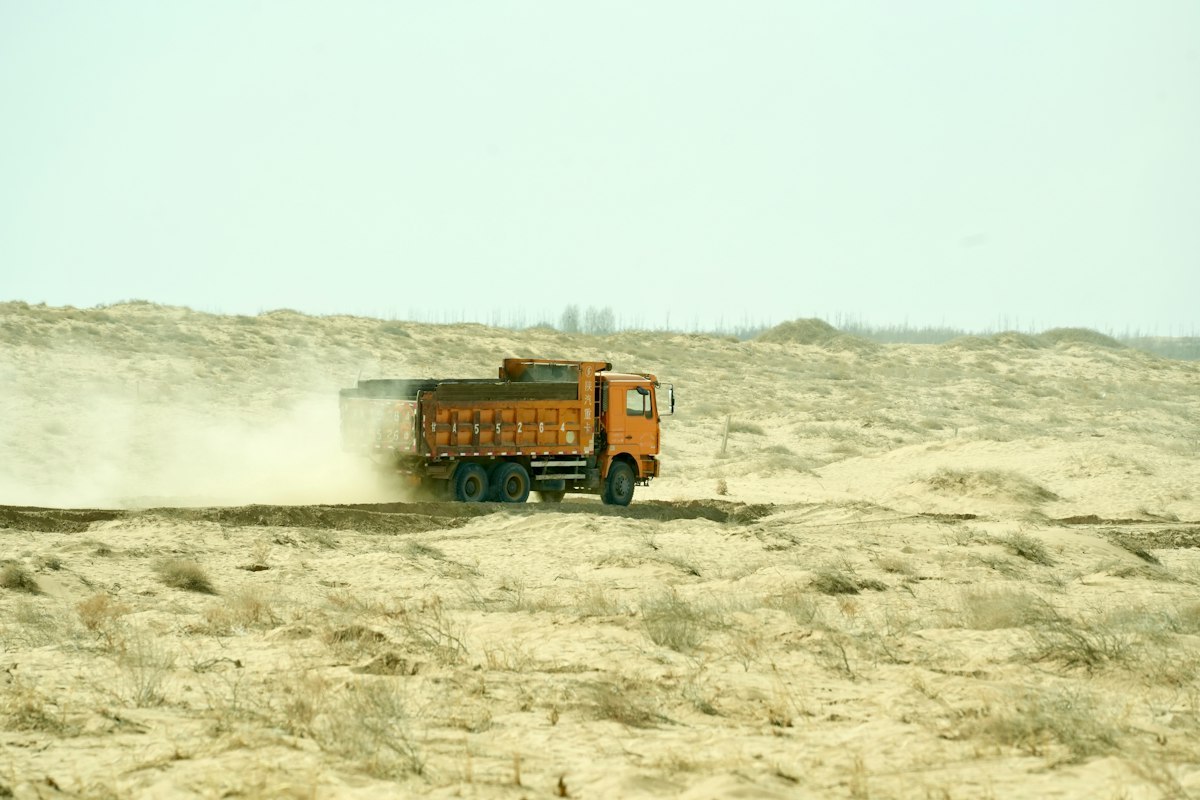
Dry air does not eliminate procurement risk. Sun-heated surfaces can affect handling and some nonmetallic packing or protective materials. Dust can enter open ends, contaminate connection surfaces and hide coating damage. Rough ground and frequent rehandling can create mechanical damage that matters more than atmospheric corrosion during a short stay.
- 1Check material compatibility. Confirm temperature and UV limits for caps, wraps, tapes, gaskets, temporary coatings and marking systems with their technical data and project requirements.
- 2Protect openings and interfaces. Define end caps or closures, cleanliness level and the process for replacing lost protection. Do not let a cap become a sealed moisture trap where ventilation is required.
- 3Plan the yard. Use stable supports, clear drainage paths, safe access and separation from abrasive traffic. Identify released, quarantined and damaged bundles.
- 4Inspect after events. Recheck after dust storms, high-temperature dwell, cover failure, lifting incidents or relocation. Use contract criteria, not appearance alone, for acceptance.
Write storage and packing controls into the order
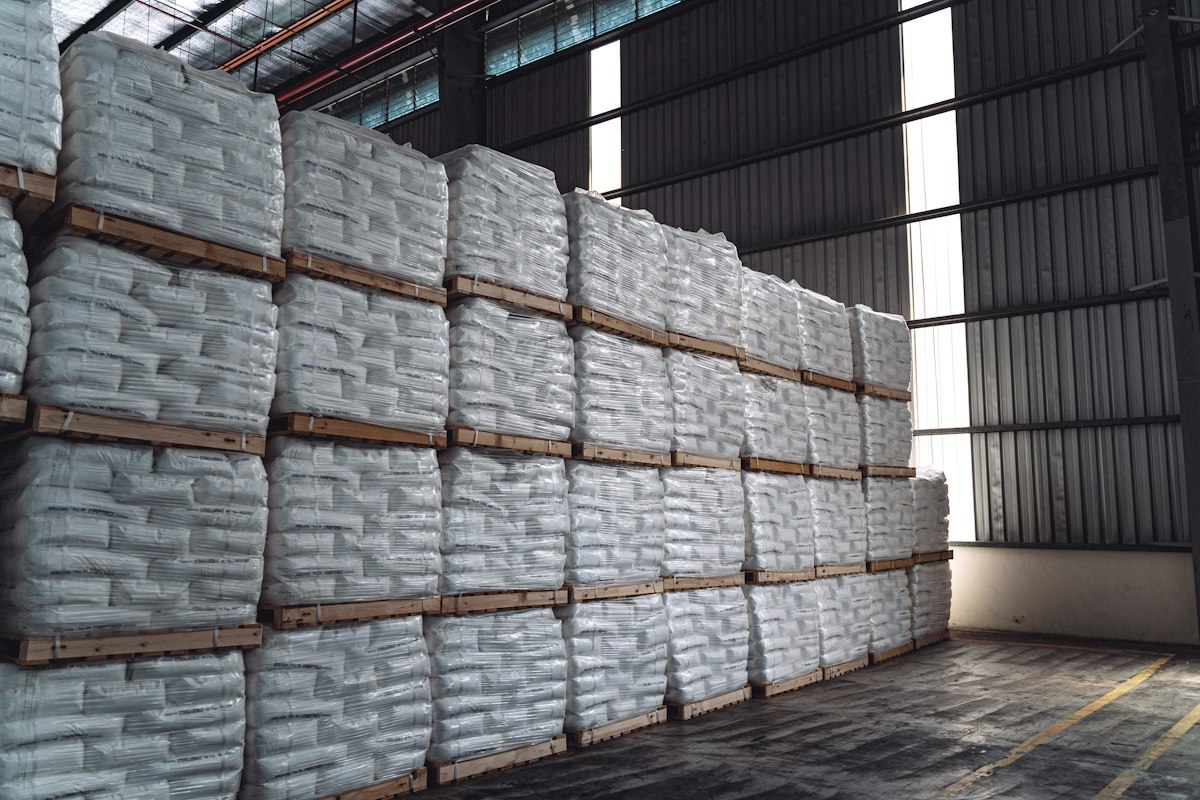
“Export packing” is not a complete requirement. The order should state what the package must protect against, how long it may remain in each environment and how inspectors will recognize damage or trapped moisture.
Before shipment
- Define bundle size or limits, separators, strap protection, end protection and marking.
- State whether wrapping is required and how ventilation or moisture management will be handled.
- Require packing photos and bundle-level identity when contractually useful.
At the port or yard
- Record arrival condition before moving bundles.
- Separate wet, torn, unmarked or mechanically damaged packages.
- Set inspection intervals from actual dwell and exposure, not a regional assumption.
Before installation
- Reconcile pipe identity with the PO, packing list and required material documents.
- Inspect accessible coating, ends and surfaces under the agreed plan.
- Document approved repairs and preserve traceability when bundles are split.
Build an exposure-to-specification matrix
The matrix below turns environmental observations into RFQ questions without prescribing a universal coating or material.
| Observed condition | Question for the project authority | RFQ or PO field | Do not assume |
|---|---|---|---|
| Salt-bearing air, spray or wet port dwell | Which corrosion-control system and inspection regime are approved for the exposure and design life? | Coating/lining specification, surface preparation, repair, inspection and documentation. | That any galvanized or painted appearance is sufficient. |
| Strong sun and high surface temperatures | Which packing, caps, seals and coatings have suitable service and storage limits? | Material data, shade/cover requirement, storage duration and replacement criteria. | That all plastics, tapes and temporary coatings tolerate the same heat or UV exposure. |
| Dust or windblown sand | Which ends and interfaces must remain clean, and how will cleanliness be verified? | End closure, cleanliness, handling and pre-installation inspection. | That external dryness means internal cleanliness. |
| Day/night temperature swing | Could sealed wrapping or pipe interiors collect condensation? | Ventilation, desiccant if approved, drain/inspection access and unpacking procedure. | That an arid climate prevents condensation. |
| Long or uncertain storage | What preservation renewal and inspection intervals apply? | Storage-life declaration, periodic checks, preservation renewal and release authority. | That mill dispatch condition remains unchanged until installation. |
Keep regional examples tied to project evidence
A coastal desalination site, an inland building project and a desert logistics hub may all use steel pipe, but their design media, structural duties, joining methods, fire requirements and corrosion systems can differ. Geography helps identify questions; it does not select a grade, standard, schedule or coating by itself.
Evidence hierarchy for acceptance
Use the applicable standard and edition, approved drawings, project specification, corrosion-control documents, RFQ, purchase order, material certificates, coating reports, inspection records and approved repair procedures. Photographs can document context and visible condition, but they cannot identify steel grade, wall thickness, coating performance, pressure rating or compliance.
Coastal and hot-arid steel pipe FAQ
Is galvanized pipe always the best choice near the coast?
No. The approved protection system depends on exposure, design life, fabrication, maintenance, compatibility and project requirements. The project authority must select and document it.
Should outdoor bundles be completely sealed against dust?
Not automatically. Sealing may reduce dust ingress but can trap moisture. Specify closures, ventilation and moisture control for the actual route and storage duration.
Can hot-arid storage still cause condensation?
Yes. Temperature changes, cool pipe interiors, rain events, washing or sealed packaging can introduce moisture. Inspect conditions rather than relying on the climate label.
How often should stored pipe be inspected?
Set the interval from the protection system, supplier limitations, project specification, exposure severity, dwell time and observed condition. This guide does not invent a universal interval.
What should a buyer request after long port dwell?
Request traceable condition records and perform the contractually required reinspection of packaging, identity, accessible surfaces, coating, ends and any preservation before release.
Procurement conclusion
Specify steel pipe for the route it will actually travel. Divide coastal, hot-arid, covered and installation stages; connect each exposure to defined protection, storage, packing, inspection and evidence; and require deviations to be visible before award. Final acceptance belongs to the applicable project documents and responsible technical authority, not to a regional label or a generic image.