Steel Pipe Bundling, Container Loading and Ocean Shipping Guide
- Share
- publisher
- Junnan Steel
- Issue Time
- Nov 29,2026
Summary
Plan steel pipe bundling, end protection, dunnage, container loading, restraint, moisture control, loading evidence and safe discharge.

Post-order logistics guide
Steel pipe shipping quality is not secured by adding more straps at the last minute. A workable plan starts with the confirmed pipe geometry, bundle mass, handling route, container limits, discharge equipment and the buyer's evidence requirements.
Direct answer
Build stable, traceable bundles; protect ends and contact surfaces; support the load with suitable dunnage; distribute mass within approved transport limits; and use a qualified loading plan for blocking and restraint. Record the condition and restraint before the doors close, then give the receiving team the bundle map, lifting boundaries and discharge sequence. The carrier, freight forwarder, container owner, competent cargo-securing personnel and destination rules govern the final plan.
Start with a shipment data sheet, not a generic packing note
| Input | Why it changes the plan | Evidence to retain |
|---|---|---|
| Pipe OD or section, wall, length and end type | Changes nesting, end exposure, support spacing and handling method | Approved packing list and bundle schedule |
| Piece and bundle mass | Controls lift selection, bundle design and load distribution | Calculated and verified weights linked to bundle IDs |
| Coating, lining or bare surface | Determines separator, wrap, abrasion and moisture precautions | Protection method and pre-load condition photos |
| Container or breakbulk route | Changes access, restraint, weather exposure and discharge sequence | Approved stow/loading method and carrier instructions |
| Destination equipment and site access | Determines lifting points, unloading order and whether bundles can be safely received | Discharge plan confirmed before dispatch |
Build bundles for handling, protection and identification
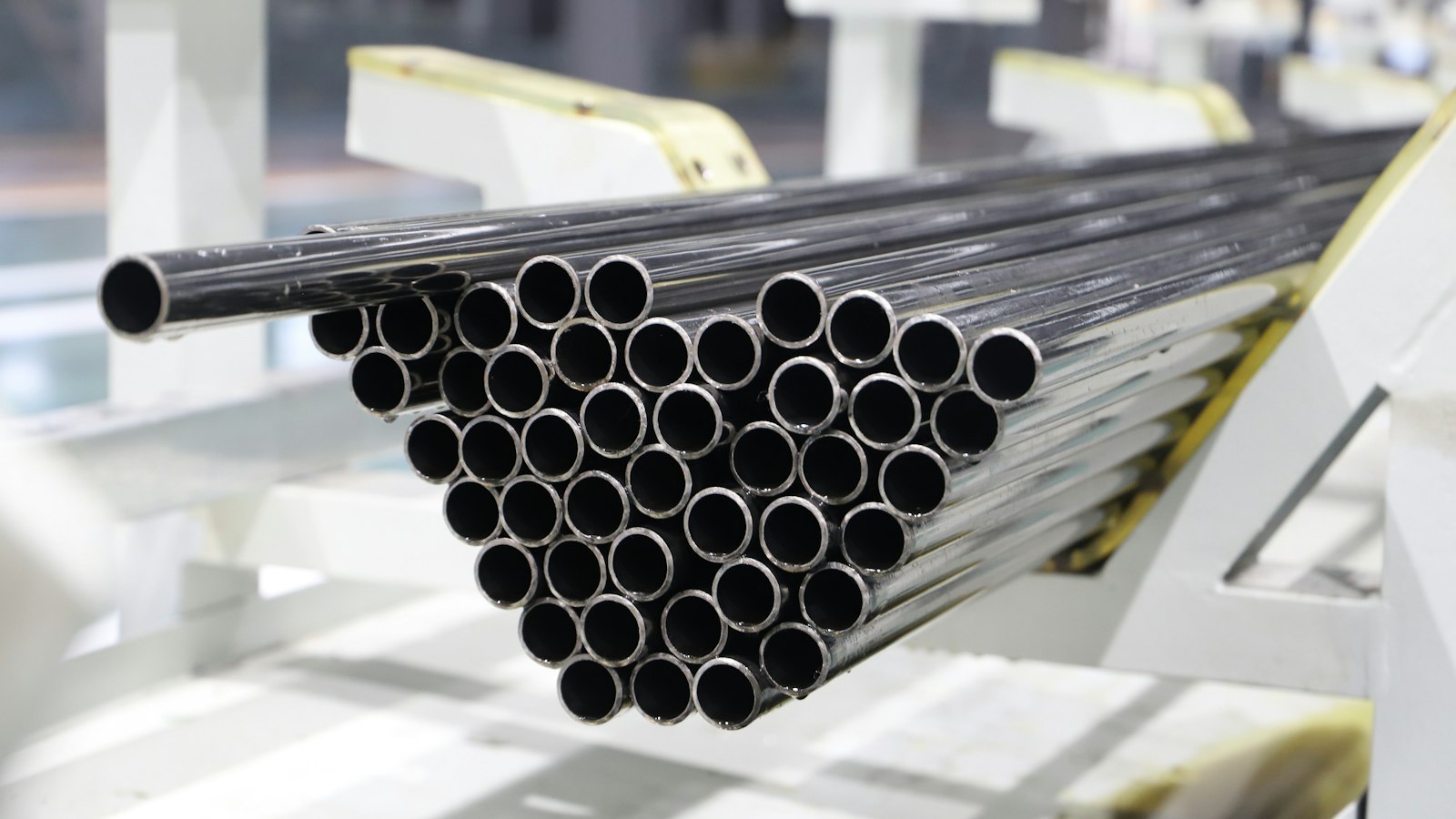
Bundle formation
- Group compatible lengths and section sizes.
- Keep the bundle stable through lifting, inland transport and opening.
- Use separators or contact protection where finish damage matters.
- Do not treat strap count as a universal design value.
Ends and surfaces
- Specify caps, protectors or wrapping only where compatible with the product and route.
- Prevent exposed ends from damaging adjacent cargo or container surfaces.
- Keep threaded, beveled, lined or coated areas from direct abrasion.
- Define how trapped water and condensation will be avoided or managed.
Traceability
- Give every bundle a durable, readable identifier.
- Link bundle ID to size, quantity, heat or lot where required, and packing list line.
- Place labels where they remain visible without unsafe climbing or entry.
- Photograph identity before wrapping and after final packing.
Safety boundary: strap material, tension, spacing, lifting points and bundle mass limits require a competent packing and lifting design. This guide does not supply universal values.
Plan container loading, weight distribution and restraint
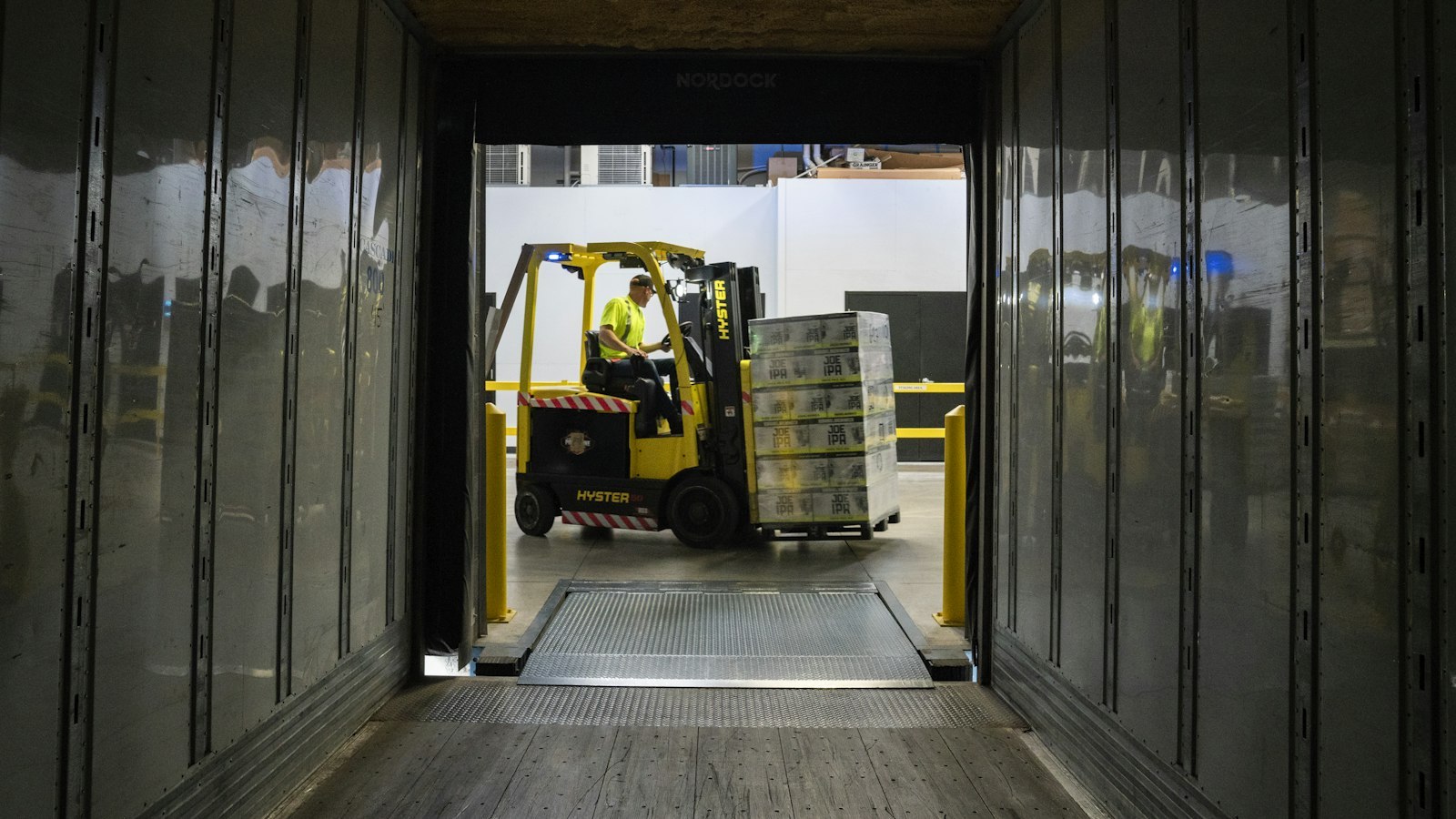
- 1Confirm suitability. Verify container type, internal dimensions, door opening, condition, payload and route constraints against the actual cargo.
- 2Map the mass. Plan bundle positions and sequence so gross mass and axle, floor and local loading constraints are respected.
- 3Design support. Use suitable dunnage and load-spreading arrangements; keep concentrated contact and rolling or sliding risks under control.
- 4Block and restrain. A competent person should design blocking, bracing and lashing for the expected transport forces and approved anchor points.
- 5Preserve access. Plan how doors can be opened without cargo movement and how the first bundle will be safely reached at destination.
- 6Verify before closure. Record final positions, supports, restraint, labels, container number, seal and visible condition.
Do not copy a lashing recipe from another shipment
Pipe diameter, surface friction, bundle geometry, mass, container condition, route and securing points all change the calculation. Use applicable cargo transport guidance, carrier rules and qualified personnel.
Control moisture without sealing a problem inside
Before loading
Load dry cargo and dry packing materials where the specification requires it. Inspect the container for water entry, contamination, protrusions and floor damage. Separate incompatible materials and document any pre-existing condition.
During the voyage
Packaging, ventilation strategy, barriers and desiccants must suit the product, route and expected temperature changes. No single measure guarantees a condensation-free shipment.
At arrival
Record seal and container condition before opening. Open under a controlled plan, check for shifted cargo or free water, and quarantine damage or corrosion evidence for joint review.
Prepare evidence and a safe discharge plan

Never cut restraint blindly. If doors, bundles or securing members show pressure or movement, stop and have competent personnel reassess the opening and unloading method.
Release checklist before the shipment moves
- Pipe quantity, length and bundle schedule reconcile with the order.
- Bundle IDs and markings are readable and traceable.
- Ends, coatings and contact surfaces have the specified protection.
- Bundle and shipment weights are verified and within approved limits.
- Dunnage, blocking and restraint match the approved loading plan.
- Container condition, load distribution, door area and closure are documented.
- Moisture controls match the route and product rather than a generic habit.
- Loading photos, packing list, container number and seal number form one evidence set.
- Destination equipment, storage area and safe discharge sequence are confirmed.
Steel pipe shipping FAQ
Should every steel pipe bundle use the same number of straps?
No. Bundle geometry, mass, handling method, strap system and transport route differ. A competent packing design should establish the arrangement.
Are end caps always required?
No. Their need and material depend on end preparation, cleanliness requirements, coating or lining, handling risk and buyer specification. They must not trap damaging moisture or interfere with inspection.
Can desiccants prevent all ocean-shipping corrosion?
No. They can be one part of a moisture-control plan, but cargo condition, packaging, temperature cycles, container integrity and exposure also matter.
What photos should a buyer request?
Request a sequenced set showing cargo and container condition, bundle identities, supports, progressive loading, blocking and restraint, final door area, container number and seal.
Procurement conclusion
Treat export packing as an engineered handover from the mill to the receiving site. The useful deliverable is not a vague promise of seaworthy packing; it is a traceable bundle, loading and discharge plan with verifiable condition evidence and clearly assigned safety responsibility.