SSAW vs ERW Large-Diameter Pipe for Water Transmission Projects
- Share
- publisher
- Junnan Steel
- Issue Time
- Nov 11,2026
Summary
Compare SSAW and ERW large-diameter pipe through weld geometry, production range, field joining, coating, testing and project QA documents without treating either route as universally superior.
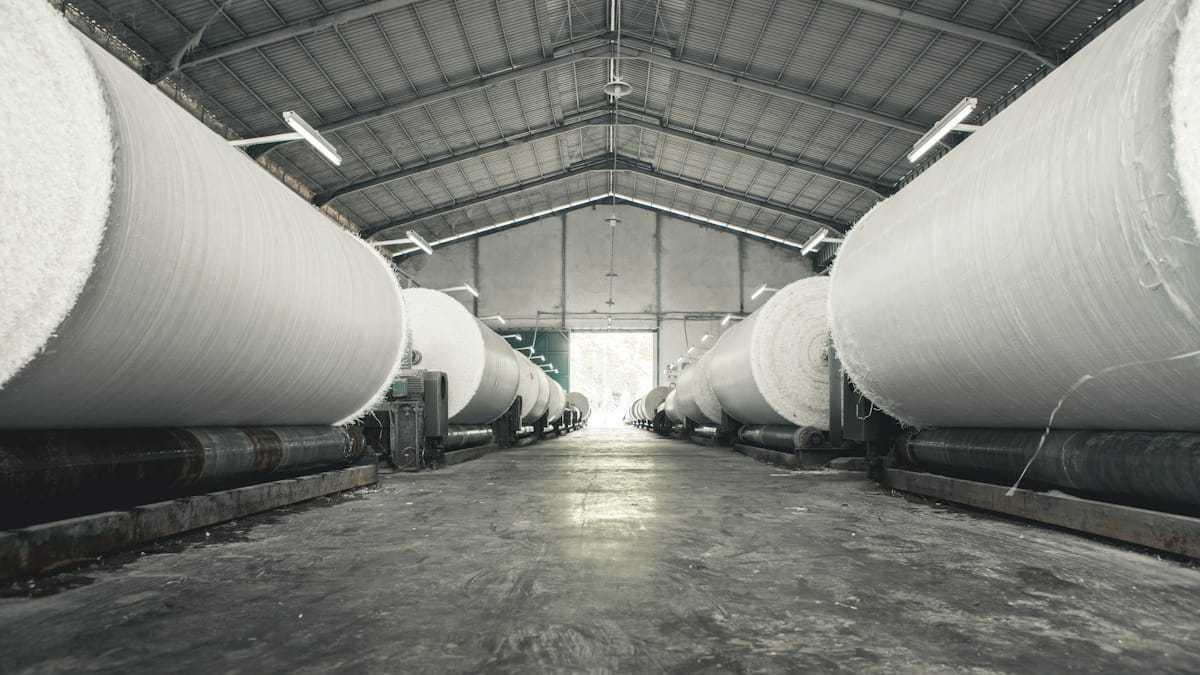
Large-diameter water transmission procurement
SSAW and ERW are manufacturing routes, not automatic suitability grades. For a large-diameter water transmission project, choose between them only after the design authority defines the governing product standard and edition, diameter and wall range, steel requirements, design basis, joint configuration, coating or lining system, inspection and testing plan, documentation, mill capability, and approved deviations.
Direct answer
SSAW forms plate or coil into a helix and uses a helical weld path; ERW forms strip or plate longitudinally and joins the edges along the pipe axis using resistance heating and pressure. Either route can be appropriate when the applicable project specification permits it and the offered product is qualified, tested, coated, documented, and accepted for the actual service. Do not approve or reject an offer from the process name alone.
Start with project constraints, not a process label
A useful comparison begins with the diameter and wall combination, required length, quantity, project schedule, field-joint design, internal lining, external coating, end preparation, tolerances, testing scope, and document deliverables. Ask each mill to identify its qualified production range for the specified standard and edition. A broad marketing range is not a substitute for a compliant offer.
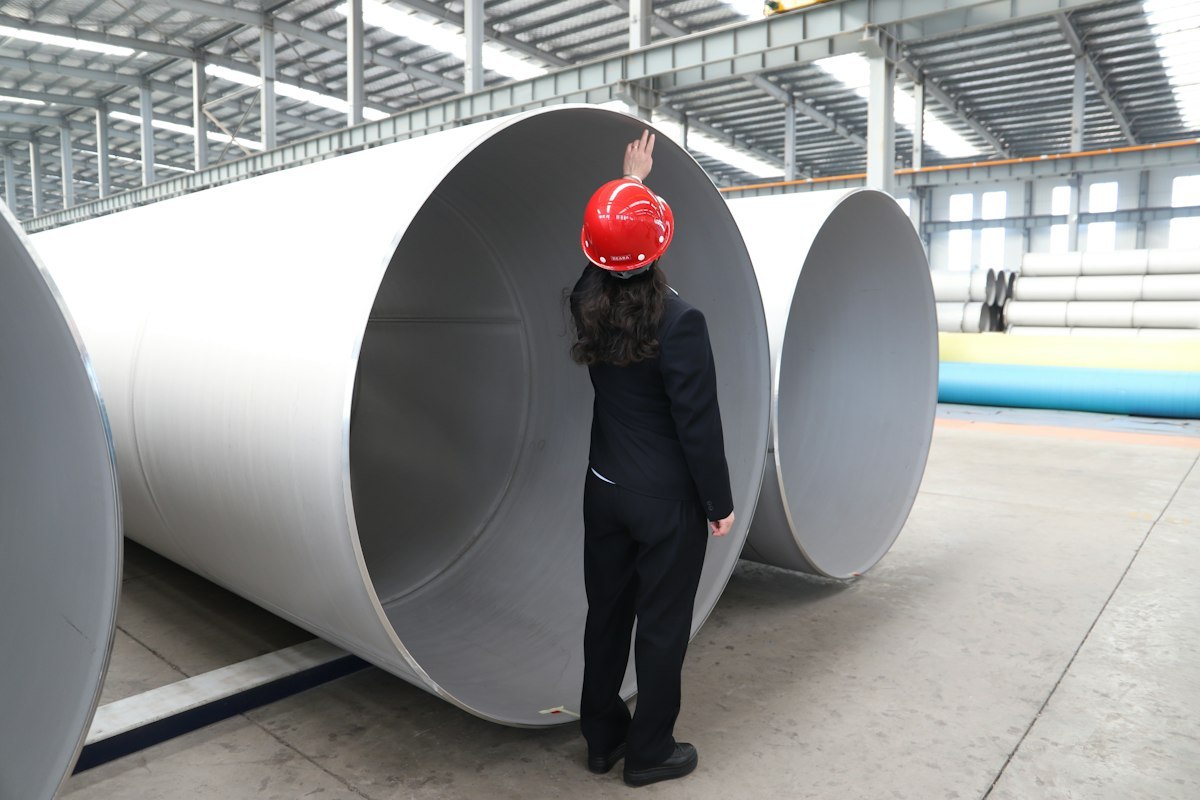
Gate questions before comparison
- Does the governing standard and project specification permit the proposed manufacturing route?
- Is the offered diameter, wall, length, grade, and end configuration inside the mill's qualified capability?
- Are coating, lining, field-joint and repair procedures compatible with the pipe geometry and project sequence?
- Do the inspection and test plan, MTC content, traceability, reports, and release documents meet the contract?
- Has the design authority accepted every deviation in writing?
Helical versus longitudinal weld geometry
SSAW route
Material is formed at an angle so the weld follows a helix around the pipe. The forming angle and incoming material width influence the achievable diameter. The helical weld is longer than a longitudinal seam for the same pipe length, and field cut locations can intersect it differently. These facts shape manufacturing, inspection mapping and repair planning; they do not establish acceptance by themselves.
ERW route
Material is progressively formed into a cylinder and the edges meet along the pipe axis. Resistance heating and pressure create a longitudinal seam, followed by the processing required by the applicable specification. The route offers a simple seam orientation, but the offered diameter and wall still depend on the mill line and qualified range.
Evidence boundary: a stock photograph cannot reliably identify SSAW versus ERW, weld quality, heat treatment, grade, standard, dimensions, or test outcome. Confirm those points through the applicable standard, approved manufacturing procedure, MTC, inspection records, drawings and project files.
Use a project decision matrix
| Decision factor | SSAW review | ERW review | Required evidence |
|---|---|---|---|
| Diameter and production logic | Confirm forming angle, feedstock width, mill range and dimensional controls for the offered combination. | Confirm forming-line range, edge preparation and mill capability for the offered combination. | Standard and edition, mill capability statement, approved procedure and offer data. |
| Weld geometry | Map the helical seam relative to ends, cutbacks, fittings and inspection zones. | Define longitudinal seam orientation where drawings, fittings or inspection access make it relevant. | Manufacturing drawing, seam map where required, inspection and test plan. |
| Pipe length and field joints | Compare available lengths, end squareness, fit-up controls and planned field-joint count. | Apply the same project checks; do not infer longer or shorter supply solely from route name. | Approved dimensions, tolerances, end details, shipping and stringing plan. |
| Coating and lining | Confirm surface preparation, seam-area treatment, continuity, holiday testing and field-joint system. | Confirm the same items and any seam-specific preparation required by the approved system. | Approved coating/lining procedure, product data, ITP and repair procedure. |
| Testing | Apply the tests and coverage required by the governing specification and project documents. | Apply the tests and coverage required by the governing specification and project documents. | Test procedures, calibration status, reports, acceptance criteria and traceability. |
| Commercial and schedule risk | Review feedstock, setup, throughput, inspection, coating and logistics for the actual order. | Review the same cost and schedule drivers for the actual order and mill. | Qualified quotation, production plan, hold points and delivery schedule. |
The matrix is an RFQ and technical-bid review aid, not a universal ranking. Project engineering retains responsibility for design and acceptance.
Field joining and coating belong in the route decision
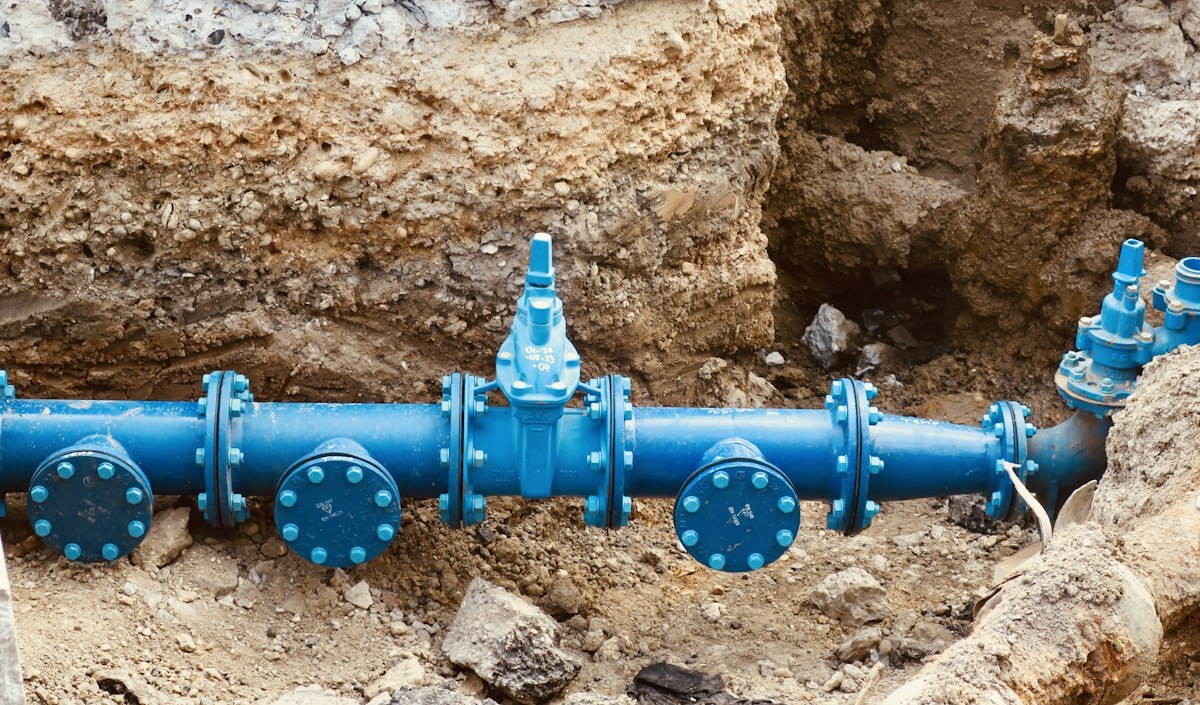
Route selection cannot be separated from how pipe will be transported, strung, aligned, joined and protected in the field. Specify end preparation, permissible out-of-roundness and dimensional checks under the governing documents. Define how internal lining and external coating terminate at each end, how field joints will be completed, and which repairs need approval.
- Fit-up: drawings and procedures should control end geometry, alignment and any seam-position requirement.
- Field joints: the approved joining procedure, personnel qualification and inspection plan govern—not a generic process comparison.
- Coating continuity: coordinate factory-applied systems, cutbacks, field-joint materials, surface preparation and repair acceptance.
- Handling: lifting, support, padding and storage methods must protect pipe ends and coating under the project logistics plan.
Build the project QA dossier before award

The purchasing decision should leave an auditable trail from specification to release. Before award, agree which documents are submitted for review, approval, witness or record, and when each becomes due. The exact dossier depends on the governing standard, contract and jurisdiction.
- 1Design basis and order data. Record standard and edition, project specifications, grade, dimensions, length, ends, quantities, coating/lining, joining and delivery requirements.
- 2Manufacturing controls. Request the applicable manufacturing procedure, process flow, traceability method and qualified range.
- 3Inspection and testing. Approve the ITP, hold or witness points, methods, coverage, acceptance criteria and report format before production.
- 4Coating and repair records. Define surface-preparation, application, inspection, holiday-test and repair documentation where applicable.
- 5Release package. Reconcile MTCs, inspection reports, test reports, markings, quantities, deviations, concessions and release note to the PO.
RFQ wording that keeps the comparison valid
Suggested requirement block: “Offer large-diameter welded steel pipe for the stated water transmission project in accordance with [governing standard and edition] and project specification [reference]. State the proposed manufacturing route (SSAW or ERW), mill, qualified diameter/wall range, offered dimensions and lengths, grade, end preparation, internal lining, external coating, testing, inspection, documentation, deviations and delivery plan. No deviation is accepted unless listed and approved in writing.”
Add the design pressure and other design inputs only as issued or approved by the project design authority. Do not ask a supplier to infer missing design criteria from a service label such as “water pipe.”
SSAW and ERW project FAQ
Is SSAW automatically better for every large diameter?
No. Diameter capability is mill-specific, and suitability depends on the governing specification, qualified range, design, inspection, coating, joining, documentation and project acceptance.
Is ERW always stronger because its seam is straight?
No. Seam direction alone does not establish strength or fitness. Evaluate the specified material, manufacturing controls, dimensions, weld requirements, testing and design basis.
Can a photo confirm which process made a pipe?
Not reliably. Use markings, MTCs, manufacturing records, approved procedures and inspection documentation; a photograph is only contextual.
Should price decide the route?
Price matters only after technical compliance and lifecycle project requirements are aligned. Compare equivalent scope, testing, coating, documents, logistics, schedule and approved deviations.
What is the most important bid-review output?
A line-by-line compliance and deviation record supported by the mill capability, procedures, ITP and document schedule, with design-authority approval where required.
Procurement conclusion
Choose SSAW or ERW by matching a qualified mill route to the project specification, diameter and wall combination, weld geometry, field-joint plan, coating or lining system, inspection and testing requirements, documentation and delivery constraints. Treat every image as context only; standards, approved drawings, RFQ, PO, MTC and project records control the technical conclusion.