Round, Square or Rectangular Steel Tube: Choosing a Section for Fabrication
- Share
- publisher
- Junnan Steel
- Issue Time
- Nov 10,2026
Summary
Compare round, square and rectangular steel tube for connection faces, directional behavior, torsion concepts, bending, orientation, nesting and prototype planning without treating one shape as universally best.
Fabrication-focused section selection
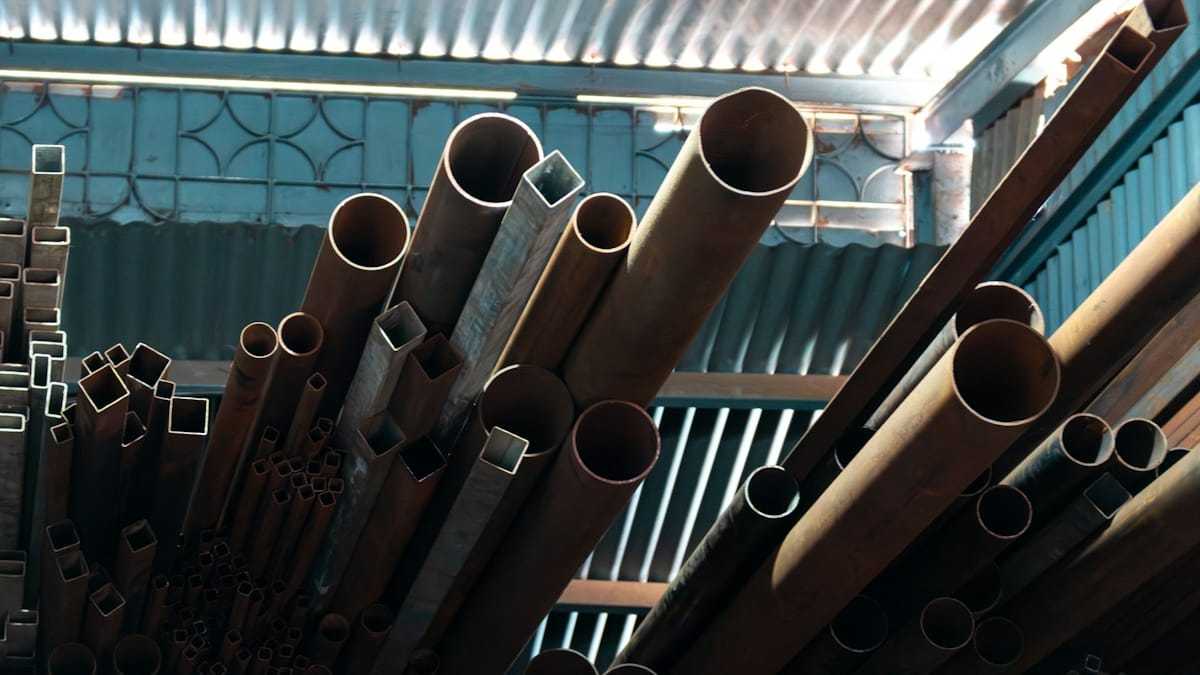
Choose round, square, or rectangular steel tube by starting with the joint, load direction, forming route, available tooling, nesting plan, and appearance—not by assuming one shape is universally stronger or easier. Round tube offers the same geometric orientation around its axis and can suit curved forms and collars. Square tube provides repeated flat faces and similar geometry about two principal axes. Rectangular tube offers distinct wide and narrow faces, so orientation becomes part of the design and fabrication plan.
Fast selection rule
Use the shape-selection matrix as a concept filter, then have the design authority verify the actual section size, wall, grade, tolerances, connections, loads, and governing requirements. Prototype the critical joint before the section is frozen.
Start with geometry, then ask how the part will be made
The outside shape affects how a member locates in a fixture, meets another part, accepts a bracket, presents a visible face, and moves through cutting or forming equipment. It does not by itself establish strength, stiffness, weight, or suitability. Those outcomes depend on the complete section properties, material, member length, connection details, loading, fabrication quality, and design basis.
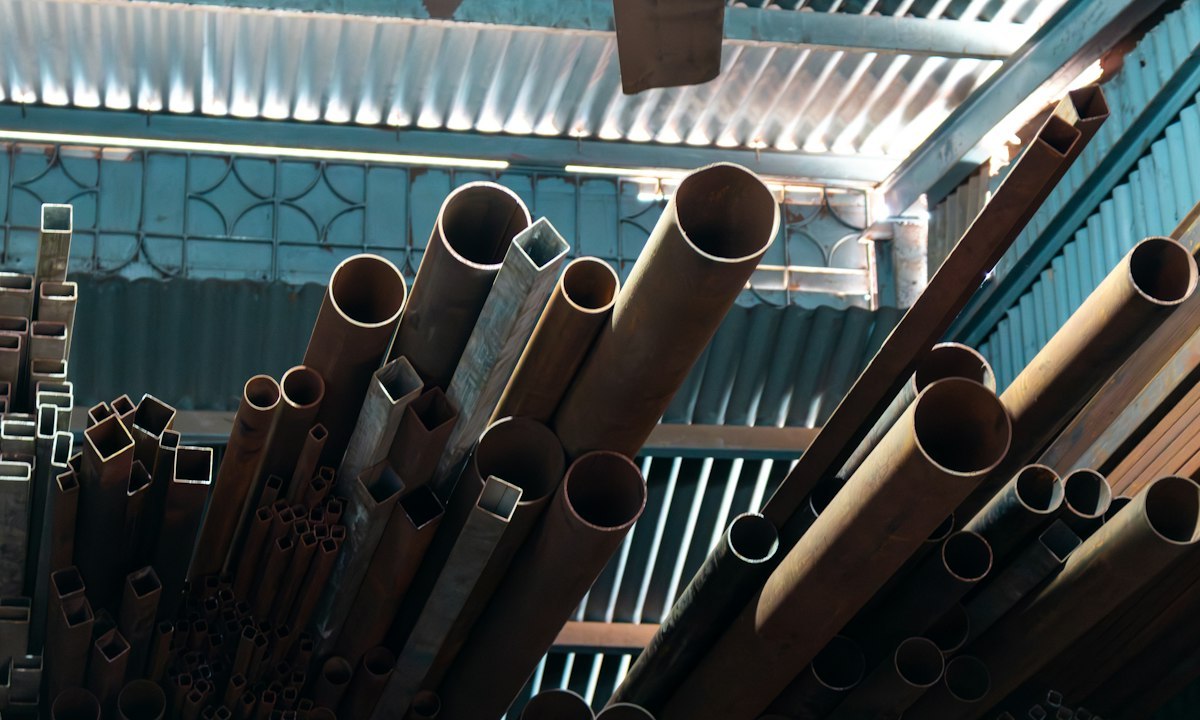
Round tube
No corners and no preferred face around the axis. Useful when rotation, collars, curved forms, or an all-direction visual profile matter.
Square tube
Four equal-width flat faces simplify many brackets, plates, stops, and repeated 90-degree frame layouts.
Rectangular tube
Two wide and two narrow faces make orientation explicit. This can help fit a shallow envelope or present a wider connection face.
Use a shape-selection matrix, not a universal ranking
| Fabrication question | Round | Square | Rectangular |
|---|---|---|---|
| Connection surface | Curved contact often needs a saddle, collar, formed bracket, or purpose-made interface. | Flat faces support straightforward plates, tabs, stops, and orthogonal layouts. | Flat faces are available, but the chosen wide/narrow orientation must stay controlled. |
| Directional behavior | A uniform circular section has no wide/weak face distinction around its axis. | A true square has matching principal geometry, subject to the actual section and connection. | Principal geometry differs by orientation; the drawing must define which face is used. |
| Torsion concept | Closed circular geometry is often attractive where twisting is important, but sizing still requires calculation. | Closed shape can resist torsion; corners and connections remain relevant. | Closed shape can resist torsion; aspect ratio and orientation affect the actual properties. |
| Bending and forming | Common for rotary-draw, roll, or other tube-bending routes when tooling matches the OD and wall. | Corner orientation and tooling support matter; distortion risk must be checked by trials. | Wide-face versus narrow-face bending changes tooling and distortion behavior. |
| Nesting and storage | Bundles leave curved contact paths and may require anti-rolling restraint. | Flat faces stack and locate predictably. | Flat faces stack efficiently, but orientation and mixed sizes need control. |
| Appearance | Continuous profile can suit rails, handles, and flowing forms. | Regular edges can suit crisp, balanced frames. | Wide/narrow faces can emphasize direction or a slim visual depth. |
Decision boundary: this matrix compares fabrication concepts. It is not a structural design table and does not substitute for section-property calculations, connection design, drawings, applicable standards, or project approval.
Match connection faces and fabrication sequence
Flat faces can simplify locating, clamping, drilling, bolting, and attaching plates. A round-to-flat joint may need a saddle cut or formed interface to control the gap. That does not make round tube unsuitable; it means the connection geometry and equipment should be planned together. For every shape, define the datum face, cut orientation, joint gap, access for the joining process, distortion-control sequence, and inspection points on the fabrication drawing.
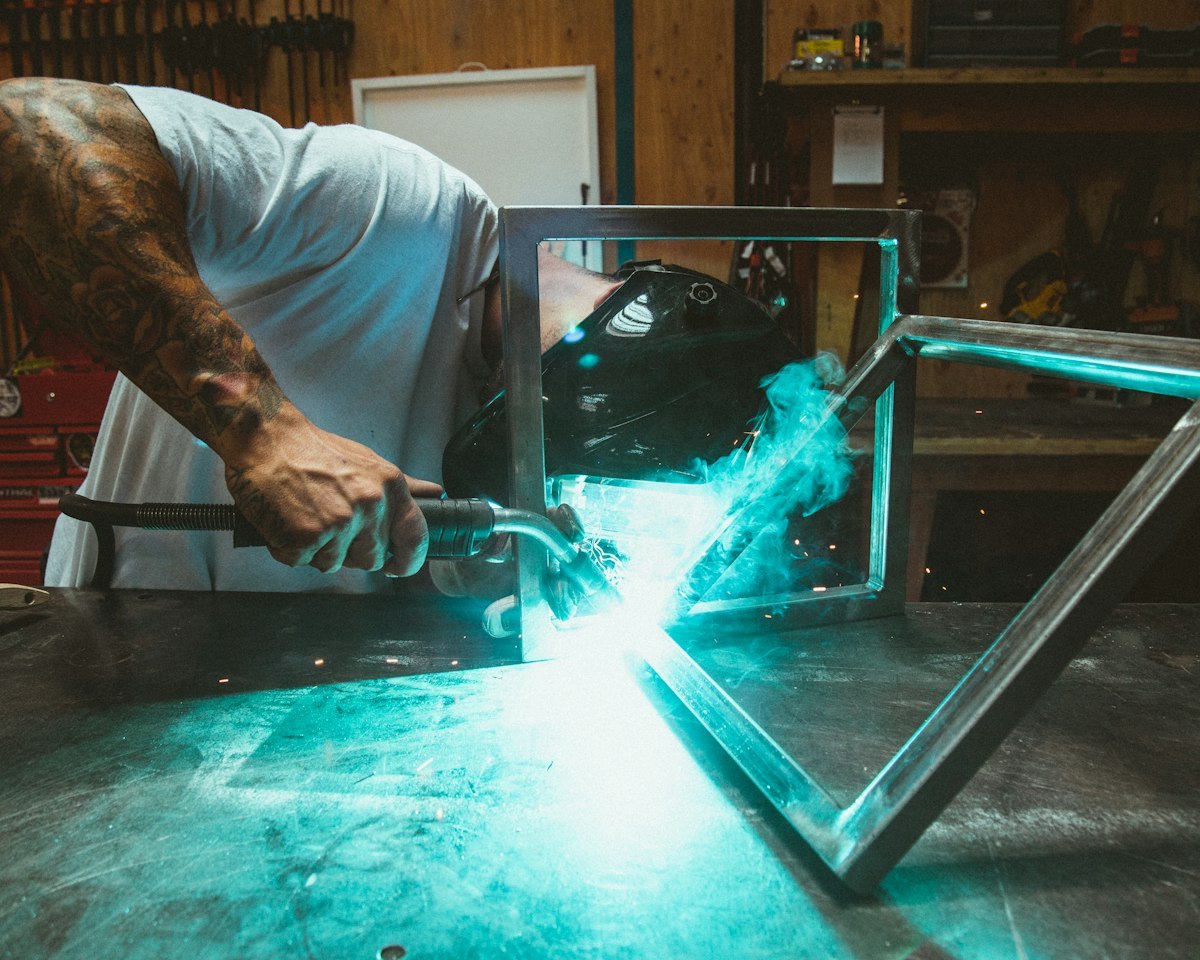
- Round: decide how the part will be clocked and prevented from rolling in the fixture.
- Square: confirm whether the corner radius interferes with a bracket, insert, or adjacent member.
- Rectangular: mark the wide-face orientation from cutting through final assembly.
- All shapes: verify joining procedure, access, heat input controls, finishing, and inspection against the applicable project documents.
Plan bending and forming around real tooling
Ask the fabricator which dies, mandrels, rolls, supports, and inspection methods are available for the proposed outside dimensions, wall, material, and bend geometry. Round tube has mature bending routes, but it can still flatten, wrinkle, or spring back if the setup is unsuitable. Square and rectangular sections introduce face and corner behavior; bending a rectangular section about one orientation is not equivalent to turning it 90 degrees.
Before requesting a bend
- State the outside dimensions and wall.
- Define bend plane and section orientation.
- Show tangent points and interfaces.
- Identify visible faces and finish limits.
- Agree how distortion will be assessed.
Do not assume
- One centerline radius suits every size.
- A die for one profile fits another.
- Nominal dimensions describe actual fit.
- Springback is constant across materials.
- A photograph proves the forming result.
Control orientation, nesting and material flow
Rectangular tube can fit a shallow envelope or provide a wider attachment face, but a rotated part may change both assembly fit and structural behavior. Square tube reduces this particular wide-versus-narrow ambiguity, although seam location, corner geometry, holes, mitres, and surface requirements may still create a controlled orientation. Round tube has no flat face to index, so features such as holes, slots, brackets, or seam-position requirements need a clear angular datum.
For production flow, compare stock rack layout, cutting yield, fixture loading, part identification, bundle stability, and finishing access. Dense stacking is convenient, but it is not the same as lower material use. Compare mass and yield from the actual bill of materials and cut plan rather than from shape names.
Prototype the joint before freezing the section
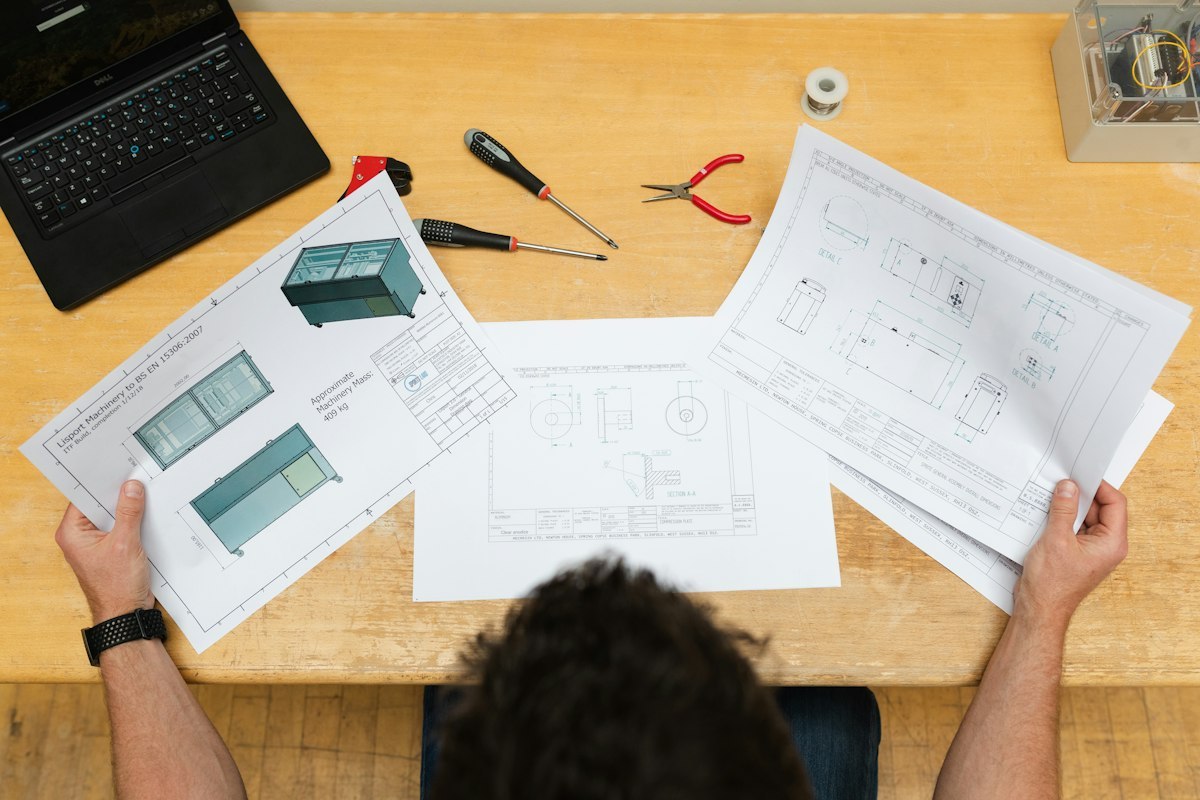
A small physical trial can expose issues that a shape label hides: tool access, saddle fit, corner interference, insert compatibility, clamp marks, weld access, distortion, finishing effort, and visible alignment. Use the same intended section dimensions, wall, material condition, joining route, and fixture concept wherever practical. Record what changed so the approved prototype can be translated into controlled drawings and production instructions.
- 1Define the decision. List the connection, orientation, forming, appearance, and handling questions the trial must answer.
- 2Build representative joints. Include the critical interface rather than an isolated offcut.
- 3Review fabrication evidence. Check fit-up, access, repeatability, distortion, finish, and inspection practicality.
- 4Return to engineering. The qualified design authority confirms the final section and connection against project requirements.
- 5Freeze orientation and datums. Update drawings, BOM, fixtures, marking, and work instructions consistently.
Questions to put on the prototype review sheet
Connections
Which face receives the bracket? Is a saddle, insert, sleeve, plate, or access hole required?
Forming
Which plane is bent? What tooling exists, and how will distortion and springback be assessed?
Orientation
Which face is the datum? Must holes, seam position, finish, or the wide face remain clocked?
Production flow
Can the part be nested, restrained, identified, handled, and inspected without ambiguity?
Round, square and rectangular tube FAQ
Is square tube always stronger than round tube?
No. Shape name alone cannot answer that question. Compare the actual dimensions, wall, material, section properties, member length, load direction, connections, and design requirements.
Why can round tube require different connection planning?
Its curved surface may need a saddle, collar, formed bracket, or dedicated fixture where a flat plate must meet it. The correct detail depends on the joint and joining process.
Does rectangular tube need an orientation note?
Usually yes when the wide and narrow faces affect fit, bending, connections, appearance, or structural behavior. Carry that orientation through drawings, cutting, marking, fixtures, and inspection.
Can the section be chosen from appearance alone?
Appearance is one input, not the acceptance basis. The final selection must also satisfy fabrication, connection, service, and engineering requirements documented for the project.
What should a fabricator test before volume production?
Test the critical joint or formed feature with representative material and tooling, then document fit-up, access, distortion, finish, inspection practicality, and any drawing changes.
Selection conclusion
Round, square, and rectangular steel tube each solve different fabrication problems. Start with the interface and process: connection faces, bend plane, fixture datum, directional requirements, nesting, and visual intent. Use a prototype to resolve practical risks, then let the approved drawings, material specification, RFQ, PO, and project documents govern the final section and acceptance criteria.