PPGI Coil Packaging and Container Loading Guide
- Share
- publisher
- Junnan Steel
- Issue Time
- Oct 2,2026
Summary
A buyer guide to PPGI coil packaging and container loading: coil orientation, wrap and edge protection, blocking, lashing and dunnage, weight distribution, labels and pre-departure evidence.
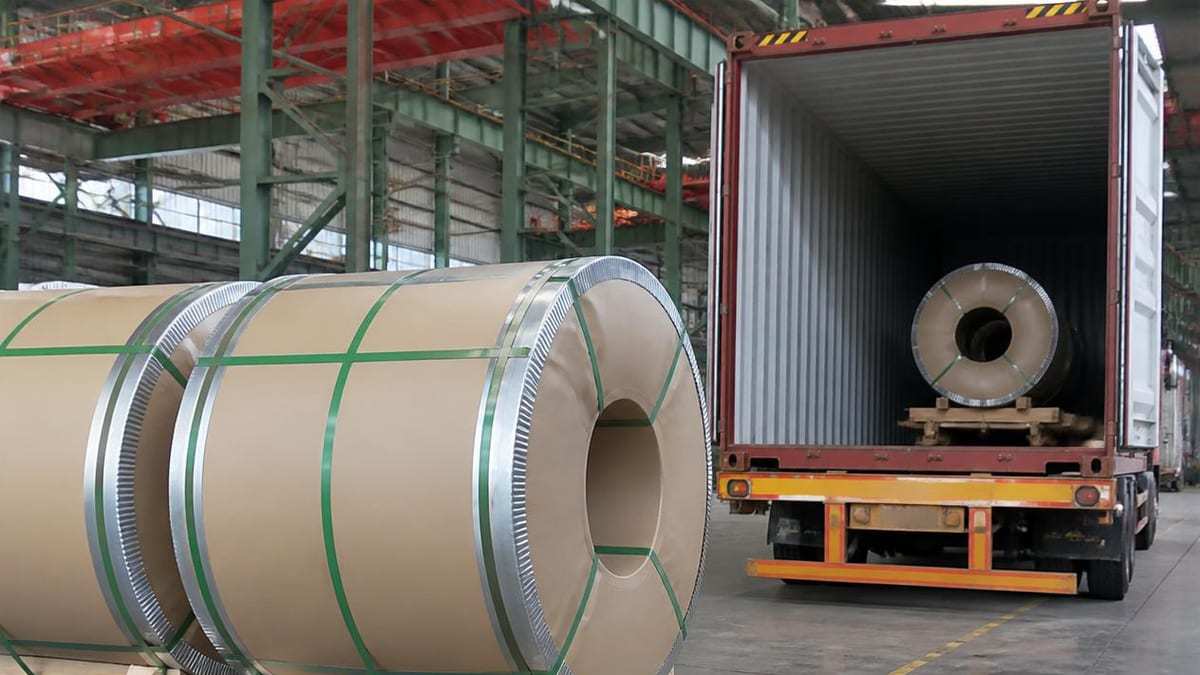
PPGI Coil Packaging and Container Loading Guide
Prepainted (PPGI) coil usually leaves the mill in good condition, yet damage and staining often appear only after the container is opened at destination. The cause is rarely a single defect; it is the combination of coil orientation, wrap and edge protection, blocking and lashing, weight distribution and the moisture that builds up during the voyage. Treating packaging and loading as a planned process rather than a last step protects the paint film, the edges and the buyer relationship.
This guide explains how to plan PPGI coil packaging and container loading, which decisions buyers and suppliers should confirm before the container is closed, and which evidence to keep. It stays on physical packaging and load securing; moisture chemistry and corrosion prevention are covered in the separate rust-prevention topic.
The Direct Answer
Pack and load PPGI coil by protecting the paint surface at the edges and bore, choosing a consistent coil orientation, using dry and clean packing materials, spreading the weight across the container floor, blocking and lashing the coils so they cannot shift, and documenting the condition and packing list before departure. Where the purchase order or packing standard defines requirements, follow it; do not assume one loading pattern fits every coil size, container and route.
1. Why Packaging and Loading Decide Arrival Condition
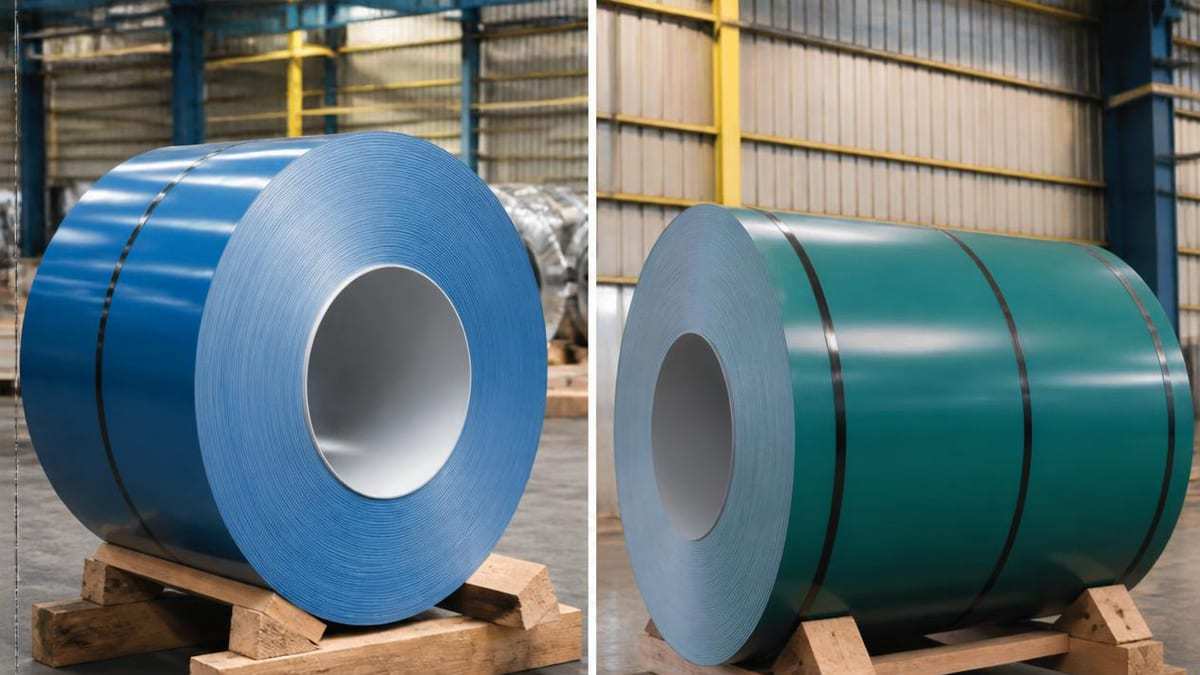
PPGI coil carries a thin, decorative paint film over a metallic coating. That film is durable in service but vulnerable to concentrated contact, edge impacts, strap abrasion and trapped moisture. Packaging and loading create the environment the coil lives in for the whole voyage.
Orientation
Whether the coil sits eye-to-sky or eye-to-wall changes how weight is carried, how the wrap is loaded and how easily it can shift or settle.
Surface protection
Wrap, edge rings, bore caps and interleaving keep the paint film away from direct contact with straps, other coils and container surfaces.
Securing
Blocking, dunnage and lashing stop movement that could abrade paint or cause the load to shift and concentrate impact.
Environment
Dry packing materials and a clean, dry container reduce the moisture available to stain the surface and edges in transit.
Because these factors interact, packaging and loading should be planned together, before the coils reach the loading bay.
2. Choose and Agree the Coil Orientation
| Consideration | Eye-to-sky | Eye-to-wall |
|---|---|---|
| How weight is carried | Coil rests on its flat face; the eye is vertical. | Coil rests on its curved surface; the eye is horizontal. |
| Typical reason to choose | Common for stacking and crane handling where the coil can be lifted and set down flat. | Often used to fit coils into a container lengthwise and to control the load footprint. |
| Main risk to manage | Settling and edge pressure at the base; the flat face and edge must be supported and protected. | Rolling or tipping; requires positive blocking to stop any tendency to roll. |
| Wrap and edge loading | Wrap is loaded on the faces; edges face outward and need protection. | Wrap is loaded on the curved surface; the more exposed edges still need protection. |
The right choice depends on coil dimensions, weight, container type, lifting equipment and the supplier's standard practice. Agree the orientation in the packing plan and keep it consistent, because mixing orientations can create unstable load geometry.
3. Protecting the Surface, Edges and Bore
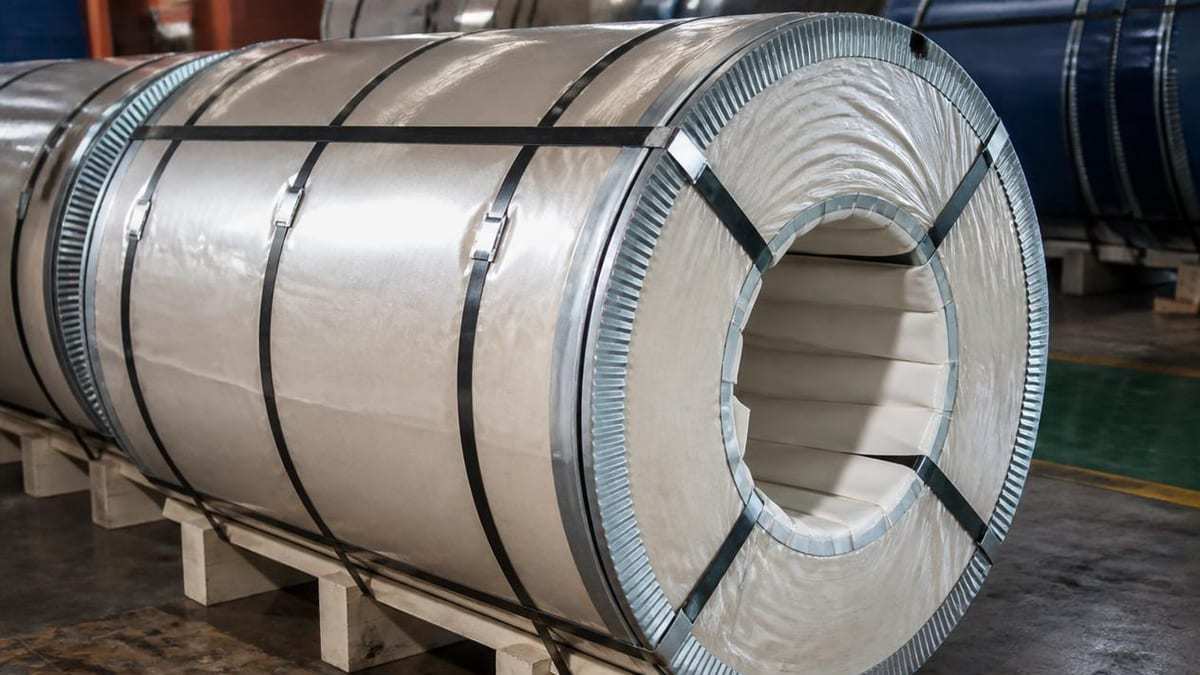
PPGI protection is mostly about preventing contact damage and keeping the painted surface dry. Each protective element addresses a specific risk.
- Outer wrap: use an intact, appropriately selected wrap or VCI film that suits the route and duration, and keep it free of punctures and trapped water.
- Edge protection: protect the coil edges, where the paint film can chip and where contact pressure concentrates, with edge rings or equivalent protection.
- Bore protection: cap or protect the coil bore so moisture, dirt and handling equipment cannot damage the inner wraps or the exposed inner surface.
- Interleaving and separators: place separation material between stacked or adjacent coils so painted surfaces do not rub against each other or against straps.
- Strapping: apply strapping so it presses on protected wrap or edge material, not directly on the painted surface, and with even tension.
Do not use damp or contaminated packing materials. Packing that holds water against the surface can cause staining that looks like a coating defect but originates in the pack.
4. Blocking, Lashing and Dunnage
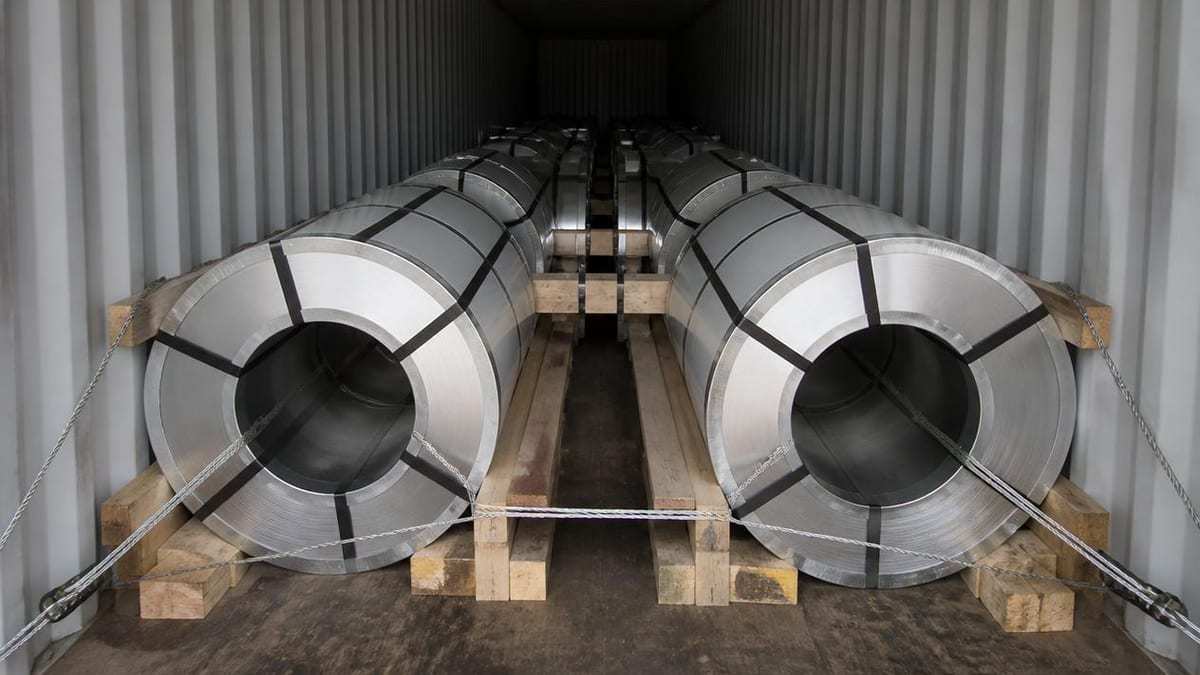
Securing keeps the load and the packaging intact. Without it, even a well-wrapped coil can shift, abrade against its neighbours or the container wall, and lose protection during the voyage.
Blocking and dunnage
- Use wooden or purpose-made dunnage to fill gaps and stop coils moving along and across the container.
- Ensure blocking contacts the coil through protected areas, not directly on the painted surface.
- Check that blocking does not create point loads that could crush the wrap or deform edges.
Lashing
- Lash coils to the container structure so they cannot shift, roll or tip under normal transit forces.
- Use sufficient, correctly rated lashing points and keep tension even and re-checkable.
- Route lashings so they do not contact or abrade the paint film or cut into the wrap.
Securing practice depends on the coil weight, orientation and container. Where the route or product requires a specific securing plan, agree and document it in the packing plan rather than relying on a default arrangement.
5. Weight Distribution and Loading Sequence
How the weight is spread affects both container safety and the load's own stability. Poor distribution can concentrate load on a few coils and increase damage risk.
Plan the footprint
Map coil positions across the container floor so weight is spread as evenly as possible and no area is overloaded.
Load in sequence
Load larger or heavier coils in a planned order that keeps the load stable and leaves working space for securing.
Re-check before closing
Confirm blocking, lashings, wrap condition and labels once loading is complete, and photograph the final arrangement.
Keep heavy coils from concentrating pressure on a small area of the floor, and avoid leaving large unsupported gaps that allow coils to move. Where the container has a weight or point-load limit, respect the documented limit rather than an estimate.
6. Labels, Documents and Photo Evidence
Documentation ties the physical pack to the contract and supports any later discussion about condition. Keep it complete and consistent with what was actually loaded.
Labels and marks
Apply labels and shipping marks clearly, without damaging the wrap, so the coil identity, grade, size and handling instructions remain readable.
Packing list
Record coil count, dimensions, weights, orientation and any special packing or securing notes so the load can be matched to the documents.
Photographs
Photograph the wrapped coil, protected edges and bore, blocking and lashings, and the closed container condition before departure.
Records
Keep packing and loading records with the shipping documents so the pre-shipment condition is clear if a claim arises.
Buyer's Packaging and Loading Checklist
Orientation: coil orientation is agreed in the packing plan and applied consistently across the load.
Surface protection: outer wrap, edge protection and bore protection are intact and appropriate for the route.
Materials: packing materials are dry, clean and free from contamination that could stain the surface.
Securing: blocking, dunnage and lashing stop movement without contacting the painted surface directly.
Weight distribution: load is spread across the container floor within any documented limit.
Labels and documents: labels, marks and packing list match the loaded coils.
Evidence: pre-departure photographs of packing, securing and container condition are complete.
Common Packaging and Loading Mistakes
- Strapping or lashing directly against the painted surface instead of through protective material.
- Using damp or contaminated packing that traps water against the coil.
- Mixing coil orientations without re-planning the load geometry and securing.
- Leaving large gaps that let coils shift and abrade during transit.
- Concentrating weight on a small floor area or exceeding a documented load limit.
- Applying labels or marks over unprotected paint in a way that damages the wrap.
- Loading without pre-departure photographs or a matching packing list.
Frequently Asked Questions
Should PPGI coil be loaded eye-to-sky or eye-to-wall?
Either can be correct; the choice depends on coil dimensions, weight, container type, lifting equipment and the supplier's standard practice. What matters is that the orientation is agreed in the packing plan, protects the painted surface and edges, and is secured so the coil cannot shift, roll or settle.
Do I need edge protection if the coil is wrapped?
Wrap alone does not fully protect coil edges, where the paint film can chip and where contact pressure concentrates. Edge protection and bore protection address risks the outer wrap does not cover, so they work together rather than as alternatives.
How should lashings be routed on painted coil?
Route lashings through correctly rated points and protective material so they do not contact or abrade the painted surface or cut into the wrap. Keep tension even so the load cannot shift under normal transit forces.
What records should a buyer keep after loading?
Keep the packing list, any packing and securing plan, and dated pre-departure photographs of the wrapped coil, protected edges and bore, blocking and lashings, and the closed container condition, linked to coil identity and container number.
Final Packaging Principle
PPGI packaging and container loading are about protecting the painted surface, edges and bore from the moment the coil is packed until the container is opened. Agree the orientation, protection and securing in the packing plan, use dry and clean materials, spread the weight, and document the condition before departure. This keeps the paint film intact and the timeline of responsibility clear.
See the Steel Plate & Coil Guide for related PPGI and galvanized coil specification and export topics.