PPGI Applications Compared: Roofing, Wall Cladding and Sandwich Panels
- Share
- publisher
- Junnan Steel
- Issue Time
- Sep 25,2026
Summary
Compare PPGI for roofing, wall cladding and sandwich panels by forming, paint system, gloss, color consistency, exposure and purchasing checks.
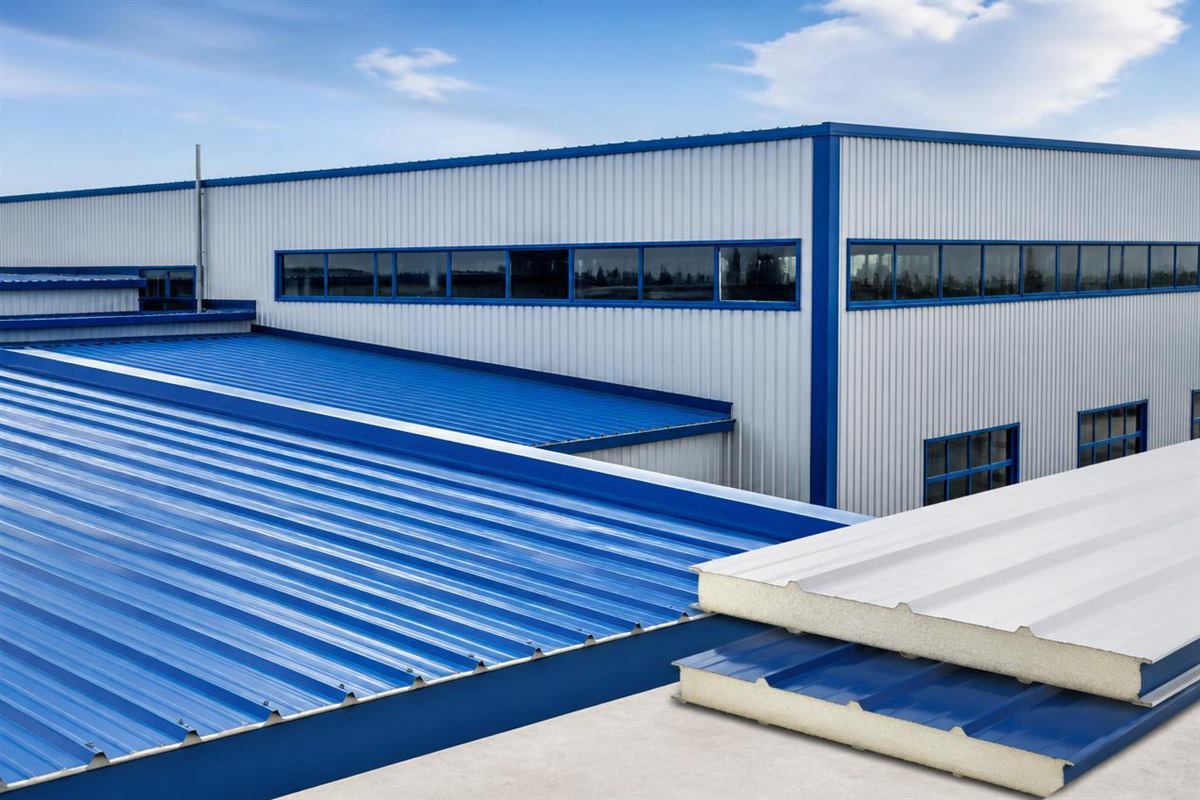
PPGI Applications Compared: Roofing, Wall Cladding and Sandwich Panels
PPGI is used in roofing, wall cladding and sandwich panels, but the same coil specification does not automatically suit all three. Profile depth, bend severity, visible area, exposure, insulation assembly and installation sequence change what buyers should prioritize.
This application engineering guide compares how those differences affect substrate and paint selection, gloss, color consistency, forming trials and purchase documentation. It does not replace project drawings, local building requirements or the coating supplier’s technical recommendations.
Application Choice in One Minute
Roofing
Prioritize weather exposure, water shedding, profile formability, cut-edge details and handling across long sheets.
Wall cladding
Prioritize visual uniformity, batch control, gloss, flatness and consistent installation direction.
Sandwich panels
Prioritize facing compatibility with insulation and adhesive, line processing, inner/outer face requirements and panel-joint performance.
Why End Use Changes the PPGI Specification
PPGI combines a steel substrate, metallic coating, pretreatment, primer, topcoat and back coat. End-use performance depends on the complete system. A roof receives direct sunlight, rain and debris while often undergoing pronounced roll forming. A façade can reveal small differences in shade or gloss across a large viewing plane. A sandwich-panel line adds adhesive, insulation, lamination pressure and often different exposure conditions on the two faces.
PPGI for Roofing: Formability and Exposure Work Together
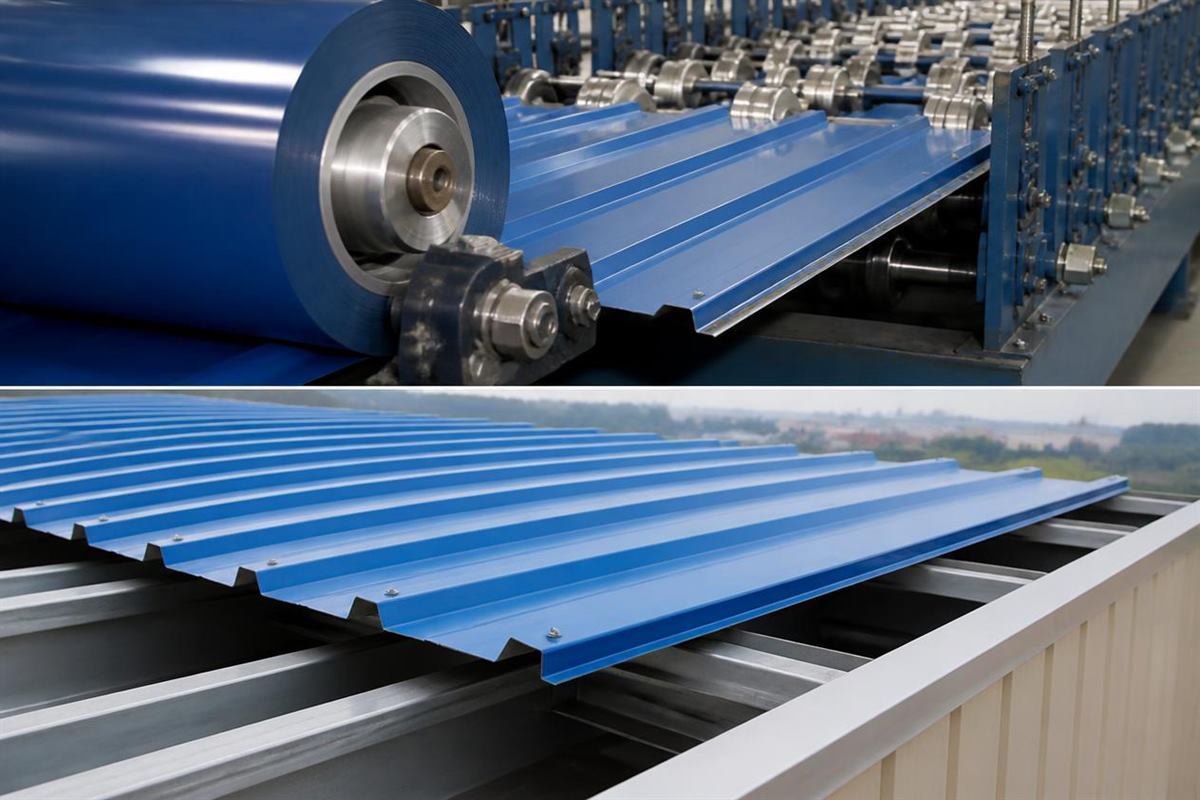
Roofing profiles place repeated bends into the sheet. The selected steel grade and coating system need sufficient formability for the actual rib geometry, forming speed and shop conditions. Tight radii or aggressive tooling can increase the risk of paint cracking, pickup or marking.
Engineering checks
- Profile drawing, rib depth and minimum bend radii
- Yield-strength range and forming grade
- Coating adhesion and agreed bend test
- Topside and backside paint-system requirements
- Protective film, if used, and removal timing
Exposure checks
- Roof slope, drainage and overlap design
- UV, heat, humidity, salt and industrial deposits
- Fastener, sealant and flashing compatibility
- Cut-edge treatment and maintenance access
- Condensation conditions below the roof
Gloss should be selected with appearance and maintenance in mind, not as a durability shortcut. A low- or medium-gloss finish may reduce glare and make minor waviness less noticeable, while the weathering performance still depends on the full coating system.
PPGI Wall Cladding: Appearance Becomes a Measurable Requirement
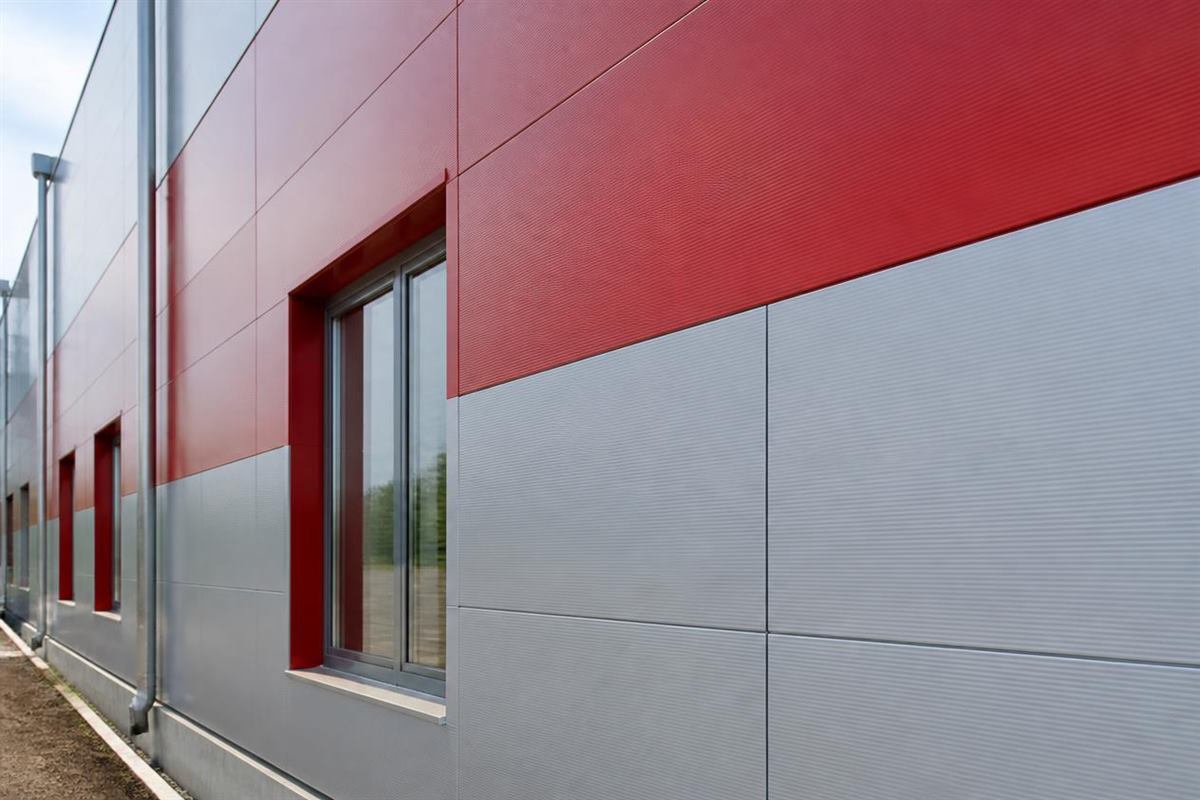
Wall cladding is viewed across broad surfaces and changing light. Coil-to-coil variation that is acceptable for a concealed or broken-up component may become conspicuous on a long façade. Buyers should therefore control more than a nominal color reference.
- Approved reference: identify the color system and retain a signed physical sample when appearance is critical.
- Batch planning: agree whether one elevation or visible zone must use material from a controlled production lot.
- Gloss and texture: state the measurement method, geometry and acceptable range in the purchase documents.
- Directionality: mark coil and panel direction, especially for metallic, mica or visually directional finishes.
- Flatness and handling: align substrate, profile and packing requirements with the façade module and installation method.
Color comparison should use agreed lighting and viewing conditions. Instrument readings can support inspection, but a single reading does not capture every visual effect caused by gloss, texture, angle or metallic pigments.
PPGI Sandwich Panels: Specify Both Faces and the Lamination Process
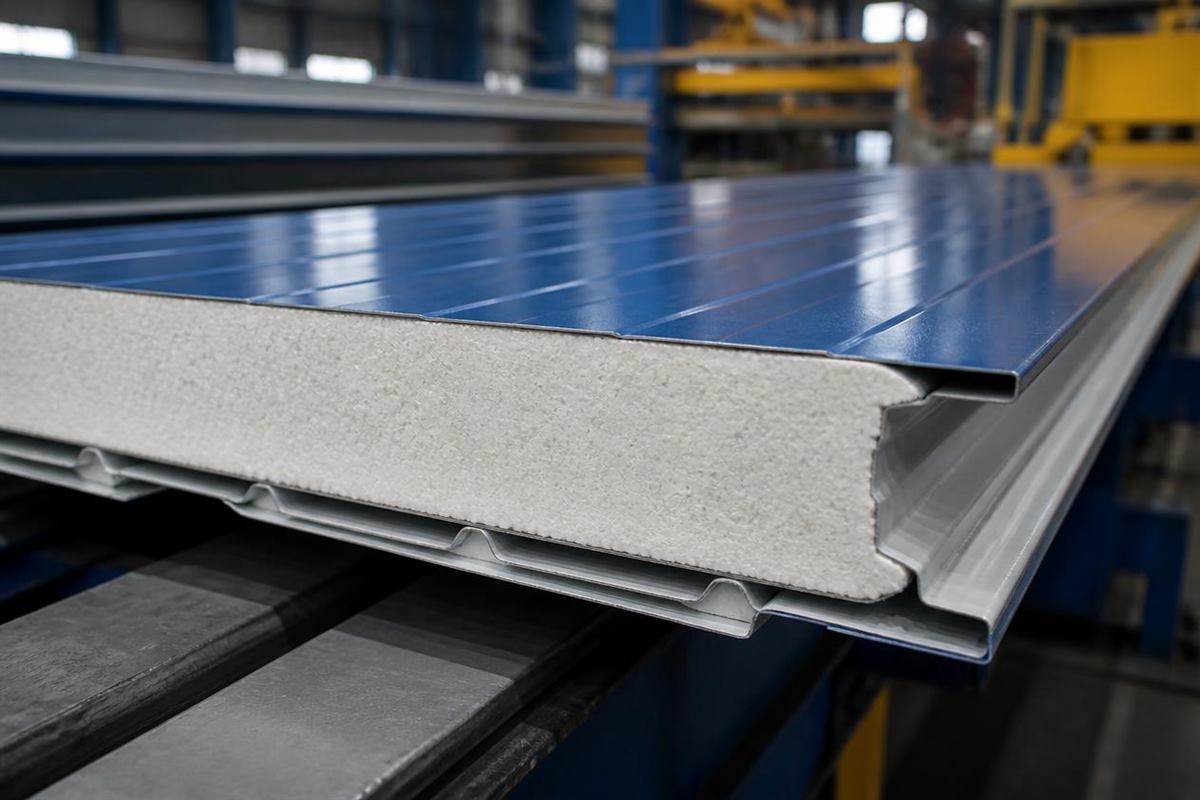
A sandwich panel is an assembly rather than a single sheet. The outer PPGI face, insulation core, adhesive, inner face, joints and production controls work together. Buyers should identify the core type and intended panel line so the facing and back-side chemistry can be reviewed for process compatibility.
External face
Define exposure, color, gloss, profile, coating system and visible-surface acceptance.
Core interface
Confirm back-coat or primer compatibility with the adhesive and processing conditions through supplier data or trials.
Internal face
Define color, hygiene, condensation, cleaning or chemical exposure separately where relevant.
Do not assume that a paint system suitable for an exposed roof face is automatically suitable as a bonding surface. Likewise, the two facings need not have identical specifications if their service conditions differ, but each face should remain clearly identified and traceable.
Side-by-Side Application Comparison
| Selection point | Roofing | Wall cladding | Sandwich panels |
|---|---|---|---|
| Primary forming concern | Repeated profiling and bends | Profile geometry plus visual flatness | Continuous line forming and lamination |
| Appearance priority | Color, glare, consistency across roof slopes | High visibility across elevations | Outer face visible; inner face may have separate needs |
| Paint-system focus | Weathering plus flexibility | Weathering, color and gloss retention | Outer-face exposure plus back-side bonding compatibility |
| Typical inspection emphasis | Bend/adhesion, dimensions, surface damage | Shade, gloss, direction and flatness | Facing identity, adhesion compatibility and panel-line trial |
| Order-planning risk | Wrong grade for profile severity | Mixed batches on one elevation | Unverified adhesive/back-coat combination |
How to Choose Paint System and Gloss Without Over-Specifying
Start with exposure and expected appearance, then review candidate systems such as polyester, silicone-modified polyester or PVDF with the coating supplier. Their names describe broad resin families, not guaranteed service life. Formulation, pigments, primer, film build, pretreatment, metallic coating and maintenance all matter.
- 01
Define the environment
Record exterior or interior use, UV, moisture, salt, pollutants, temperature and cleaning conditions.
- 02
Define fabrication
Provide profile or panel drawings, bend geometry, line type and trial requirements.
- 03
Define appearance
State reference color, gloss, texture, viewing sensitivity and lot-control needs.
- 04
Agree measurable acceptance
Reference applicable methods and limits for dimensions, coating, color, gloss, adhesion and forming.
Purchase Order Checklist by Application
For every order: application, steel grade, thickness basis, width, metallic coating, paint layers, color, gloss, coil dimensions, edge condition, applicable specification, inspection and packing.
Add for roofing: profile drawing, forming trial or bend requirement, topside/backside identification, cut-edge and protective-film expectations.
Add for wall cladding: approved sample, visible-zone batch plan, panel direction marks, gloss measurement details and visual inspection conditions.
Add for sandwich panels: outer/inner face identification, core and adhesive system, back-coat compatibility, panel-line trial and face-specific requirements.
Where a standard is referenced, use its exact edition and scope. Do not treat different standards, grades or test methods as automatically equivalent; any substitution should be reviewed against the required chemistry, mechanical properties, coating and dimensions.
Frequently Asked Questions
Can one PPGI coil specification be used for all three applications?
Sometimes, but it should not be assumed. Roofing forming, façade appearance and sandwich-panel bonding create different priorities. Review the exact profile and process first.
Which application needs the strictest color consistency?
Wall cladding often deserves the closest batch and direction control because large elevations are viewed continuously. Roofing and sandwich-panel exteriors can also require tight control when adjacent surfaces are visually prominent.
Does higher gloss mean better coating quality?
No. Gloss is an appearance property. Durability depends on the complete coating system, exposure, fabrication and maintenance.
What should be tested before mass production?
Use an agreed trial when the profile is severe, appearance is critical or a facing must bond to an insulation system. The trial should represent production material, tooling and process conditions.
Match the Coil to the Manufacturing Route
The most reliable PPGI purchase specification begins with how the material will be formed, assembled, exposed and viewed. Roofing, wall cladding and sandwich panels can share a color and still need different controls. Document the application-specific risks before ordering, then make certificates, samples, trials and pre-shipment checks traceable to those requirements. Related procurement guides are available in the Steel Plate & Coil Guide.