Low Carbon vs High Carbon Wire Rod: How to Choose for Your Drawing Line
- Share
- publisher
- Junnan Steel
- Issue Time
- Aug 3,2026
Summary
Low carbon vs high carbon wire rod: how carbon content changes strength, drawability and cost, with a grade selection table for your drawing line.
Low Carbon vs High Carbon Wire Rod: How to Choose for Your Drawing Line
Walk into any wire processing plant and you will see the same dilemma: the drawing line needs wire rod, but which carbon grade? Buyers in Africa and the Middle East, where wire rod feeds fencing, binding, nail, and spring production, often ask us the same question. The answer decides die life, drawability, final tensile strength, and ultimately the price you can get for your finished wire. This guide breaks down low carbon and high carbon wire rod in practical, decision-first terms.
What Carbon Content Actually Controls
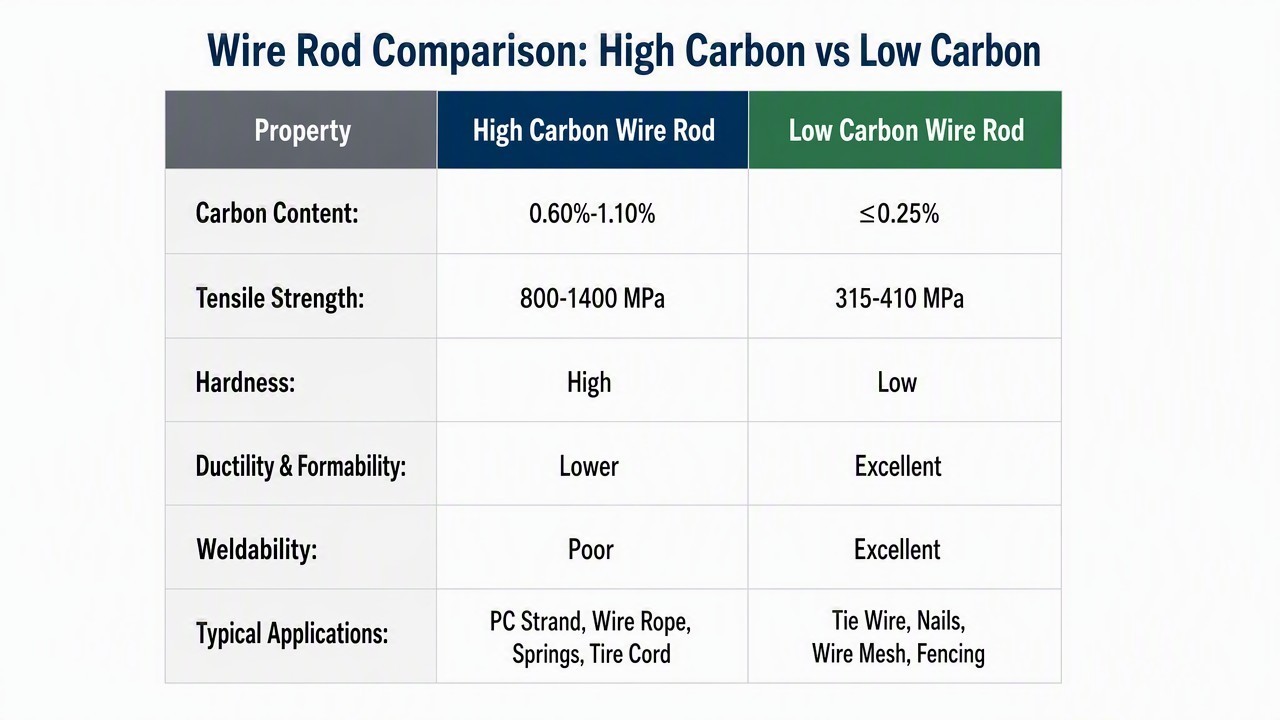
Carbon is the single most influential element in wire rod. As carbon increases, three things happen in sequence: strength rises, ductility falls, and drawability becomes more demanding. That is why the entire wire industry is organised around carbon ranges rather than product names.
Low Carbon (C ≤ 0.15%)
Soft, highly ductile, easy to draw and weld. Best for products that must bend, tie, or deform without breaking.
Medium Carbon (C 0.15-0.55%)
A middle zone used for fasteners, some mesh wire, and general hardware where moderate strength is enough.
High Carbon (C > 0.55%)
High tensile strength after drawing and heat treatment. Used for springs, rope wire, and prestressed products.
Low Carbon Wire Rod: The Workhorse of Everyday Wire
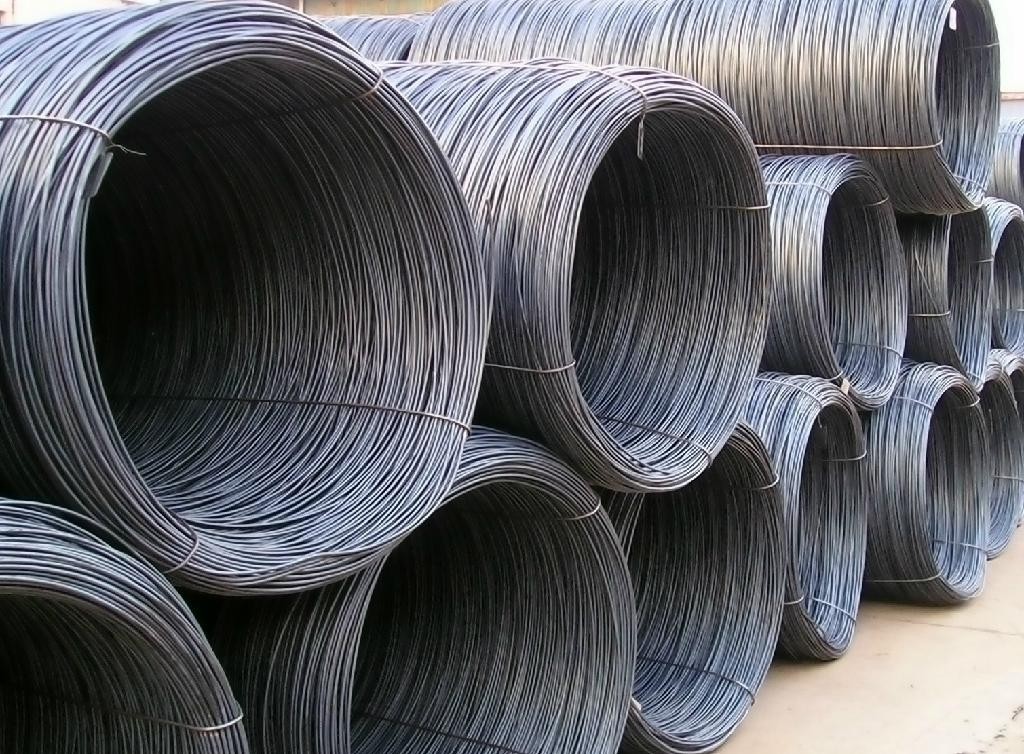
Low carbon wire rod covers grades from SAE1006 up to about SAE1018. It is the raw material behind most general-purpose wire products you see on construction sites and farms across Africa and the Middle East.
- Binding wire and tie wire for rebar and formwork
- Galvanized fencing wire and chain link mesh
- Nails, staples, and wire forms
- Annealed wire for baling and general tying
Because low carbon rod has low resistance to deformation, it draws fast, wears dies less, and tolerates slightly imperfect surface quality. For a plant that runs high volumes of fencing or binding wire, low carbon grades are the most forgiving and the most economical choice.
High Carbon Wire Rod: Strength That Pays for Itself
High carbon wire rod, typically SAE1060 and above, is chosen when the finished product must carry load or resist fatigue. Drawing high carbon rod increases tensile strength dramatically, but it demands tighter process control.
Typical High Carbon Applications
- Spring wire for automotive and suspension systems
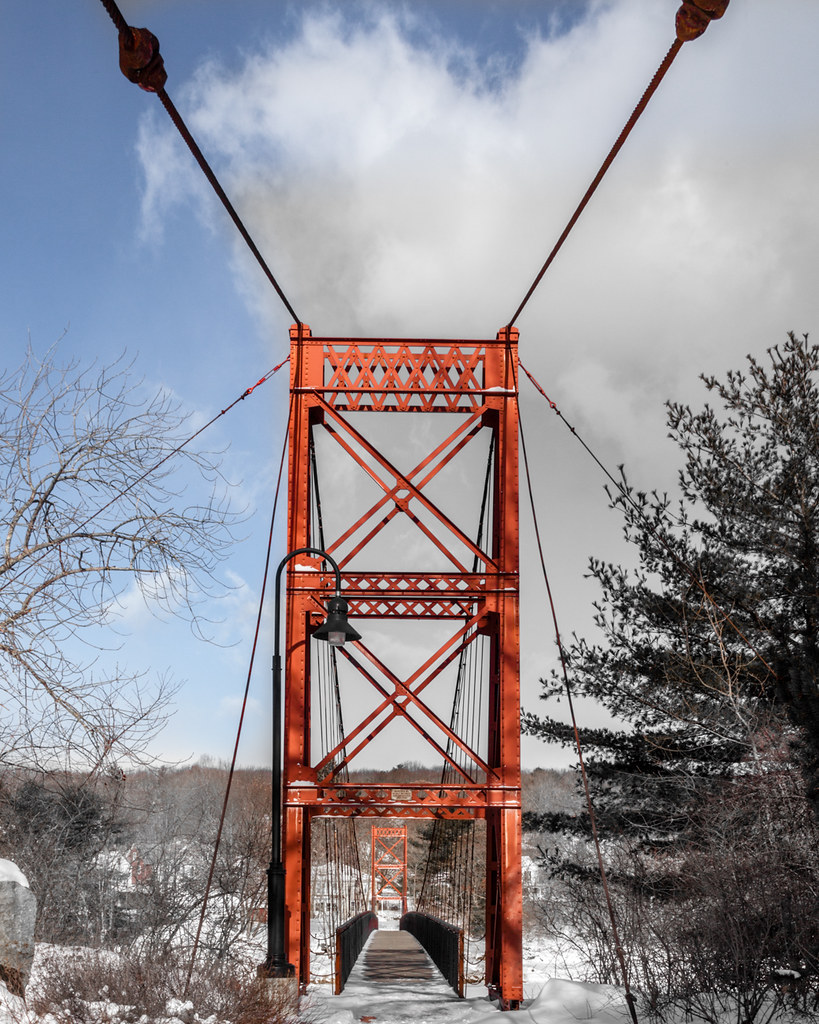
- Steel wire rope and strand for lifting and prestressing
- Piano wire and valve spring wire
- Tyre bead wire and high-strength hose wire
Decision Table: Which Grade for Which Product?
| Your Finished Product | Recommended Carbon Range | Typical Grades |
|---|---|---|
| Binding / tie wire | Very low | SAE1006, SAE1008 |
| Galvanized fencing wire | Low | SAE1008, SAE1010 |
| Nails and staples | Low | SAE1006, SAE1018 |
| Welded mesh | Low-medium | SAE1008, SAE1018 |
| General fasteners | Medium | SAE1018, SAE1022 |
| Spring wire | High | SAE1060, SAE1070 |
| Rope / strand wire | High | SAE1070, SAE1080, 77B/82B |
The table above uses standard SAE reference values; always confirm the exact chemistry with the mill test certificate before ordering.
Practical Selection Checklist for Your Drawing Line
Define the final wire diameter and strength
Thinner final wire and higher strength requirements push you toward higher carbon content and more drawing passes.
Check your annealing capacity
High carbon rod needs patenting or proper heat treatment between passes. If your line has no heat treatment, stay in the low carbon range.
Match grade to market demand
In Africa and the Middle East, fencing and binding wire dominate demand, so low carbon rod is the fast-moving stock. Springs and rope wire are higher-value niches for high carbon.
Ask for trial coils
A single trial coil run through your dies tells you more than any datasheet about drawability, breaks, and surface performance.
Frequently Asked Questions
Can I draw high carbon wire on a line built for low carbon?
Not without adjustments. High carbon rod needs stronger motors, more passes, and usually heat treatment between stages. Check your machine specs before switching grades.
Is low carbon wire rod always cheaper?
Per ton, usually yes, because it needs less alloying and simpler processing. But the right question is cost per meter of finished wire at the strength you need.
Which grades do Middle East and African buyers order most?
For general wire production, SAE1008 and SAE1010 are the most common. High carbon 77B and 82B are ordered by plants producing prestressed strand and rope wire.
Get the Right Grade for Your Market
Since 2015, our company has supplied low carbon and high carbon wire rod to buyers across 118 countries and regions, with Africa and the Middle East among our core markets. We help you match the grade to your drawing line and final product, and we can arrange trial coils before you commit to bulk volume. Tell us your application, target diameter, and required strength, and we will recommend the most economical grade for your production. You can also browse our steel guides, review our wire rod range, or contact our team directly.