Hot-Dip Galvanized Steel Coil: Zinc Coating Grades and Applications
- Share
- publisher
- Junnan Steel
- Issue Time
- Sep 16,2026
Summary
Understand galvanized coil zinc coating designations, coating mass, typical applications, selection factors, inspection methods and MTC details without treating different standards or coating systems as automatically equivalent.
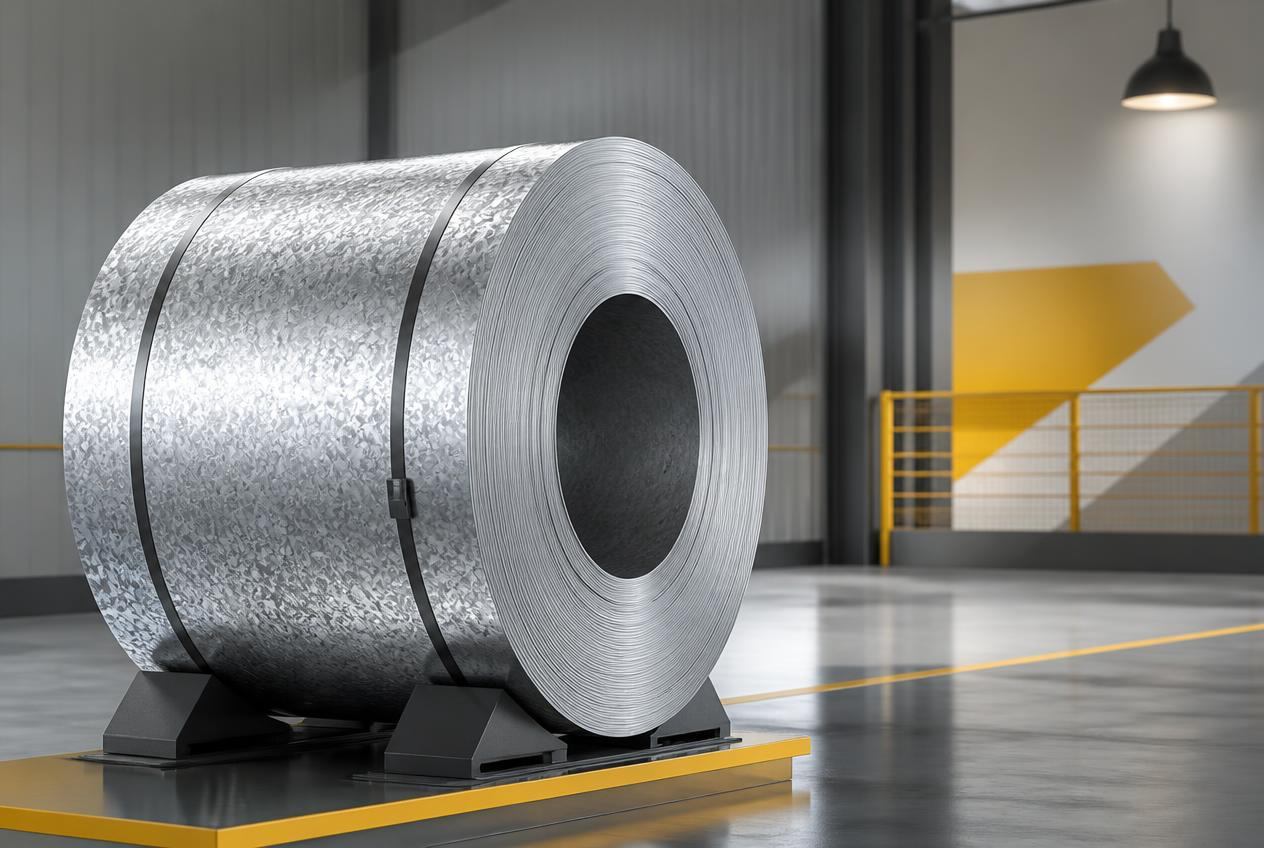
Buyer’s guide to zinc-coated flat steel
Hot-dip galvanized steel coil is carbon steel protected by a continuously applied zinc coating. Buyers should specify the governing product standard, steel grade, coating designation, dimensions, surface condition and intended fabrication—not select material from a zinc number alone.
What a zinc coating designation tells the buyer
In continuous hot-dip galvanizing, cleaned strip passes through molten zinc and air knives control the coating before cooling and finishing. The resulting metallic layer acts as a barrier and can provide sacrificial protection where small areas of steel become exposed.
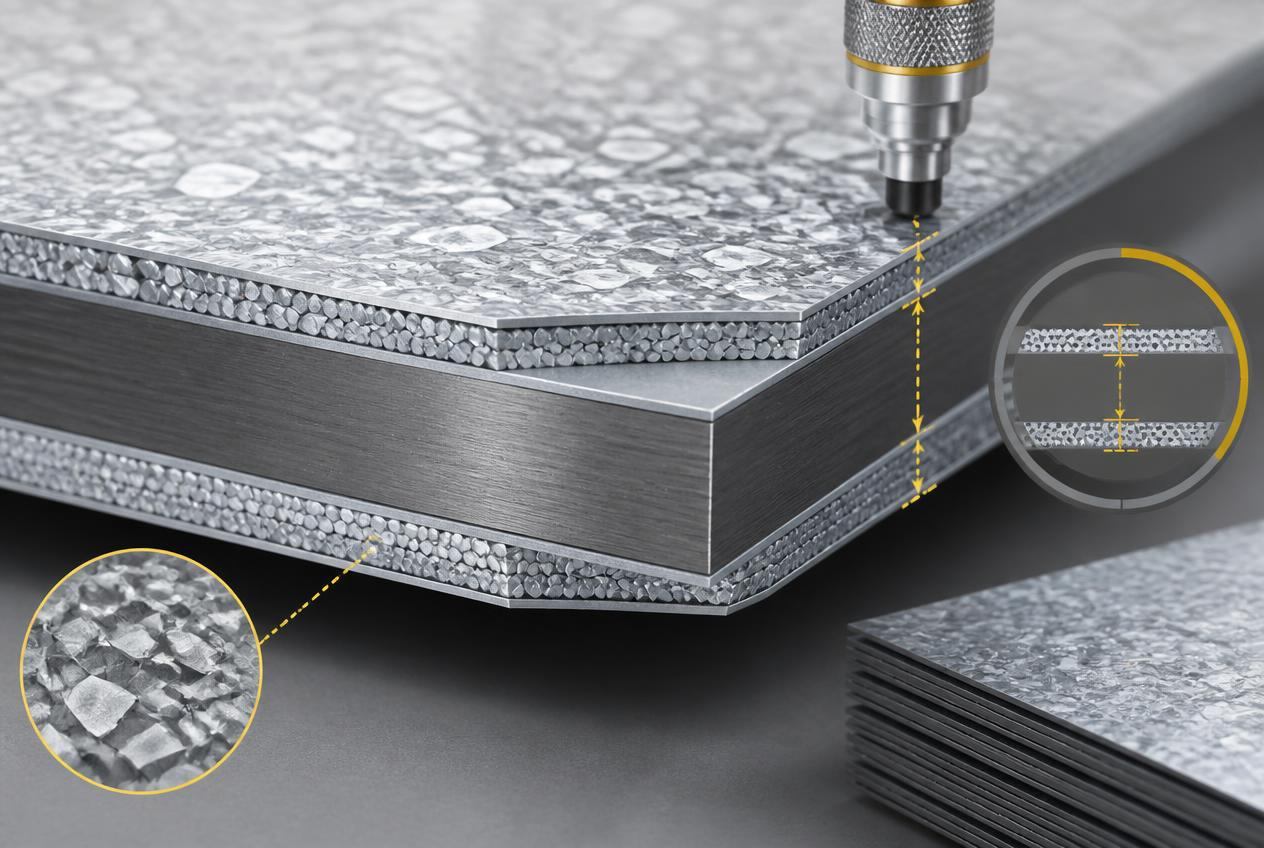
Coating mass is usually reported as the combined mass on both sides unless the purchase standard or order states otherwise. It is not the same as coating thickness on one face. The relationship between mass and thickness depends on zinc density, coating distribution, alloy layer and measurement method.
| Designation example | What it generally indicates | Buyer’s caution |
|---|---|---|
| EN 10346: Z100, Z140, Z200, Z275 | Nominal minimum total zinc coating mass in g/m², both surfaces combined, subject to the standard’s test and acceptance rules. | Do not infer base grade, forming class, surface quality or exact per-side thickness from the Z number. |
| ASTM A653/A653M: G30, G60, G90 | Zinc-coated sheet coating classes defined by ASTM test units and requirements; G90 is commonly associated with about 0.90 oz/ft² total coating mass. | Do not treat an ASTM coating class as a complete substitute for an EN designation without reviewing the full specification. |
| Single-spot or triple-spot result | A test result produced under a specified sampling and measurement procedure. | The acceptance criterion must match the cited standard and certificate; values from different methods are not directly interchangeable. |
How coating level relates to applications
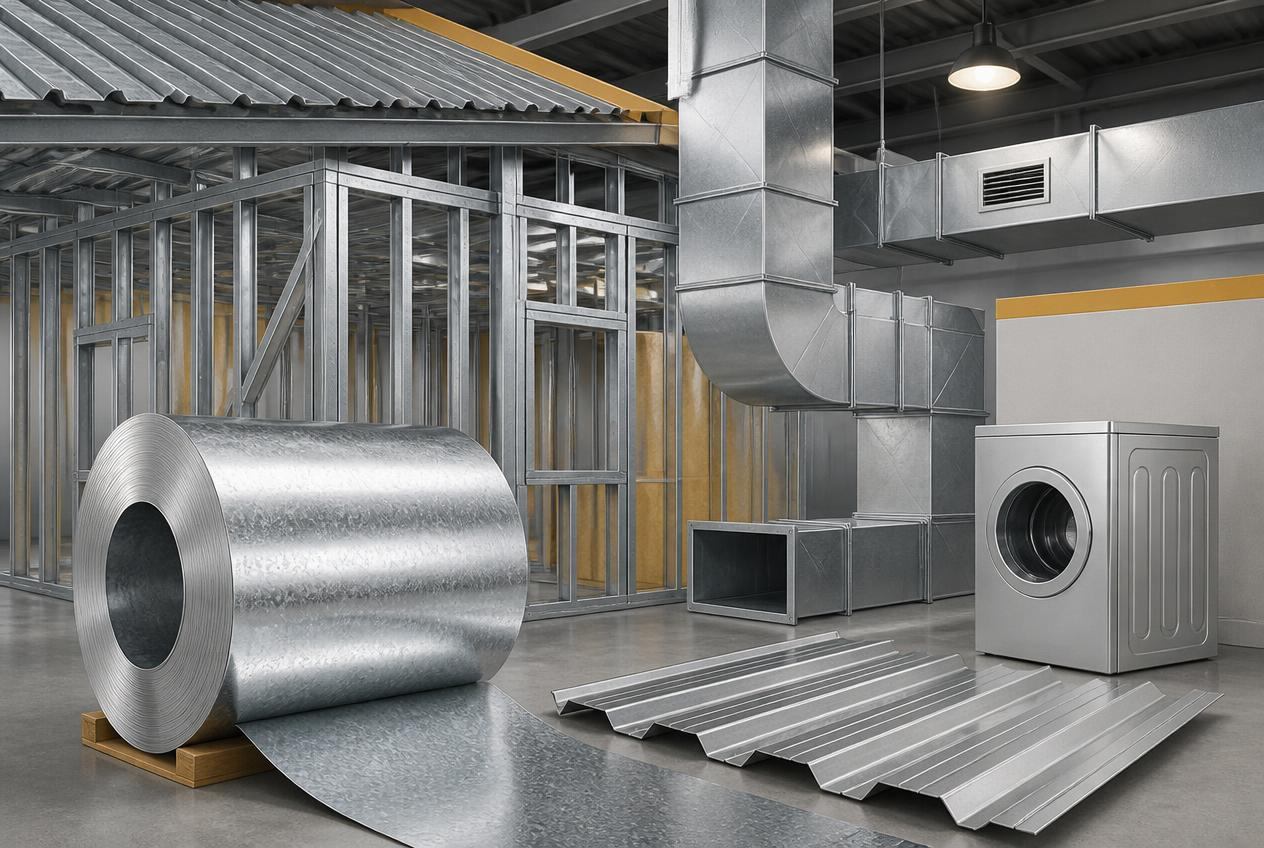
More zinc generally increases the corrosion-protection reserve, but “more” is not automatically the best commercial choice. Forming severity, weldability, paint adhesion, surface appearance, indoor or outdoor exposure, maintenance access and target service life all matter.
Light indoor fabrication
Cabinet components, appliance parts and dry-interior profiles may prioritize smooth surface, controlled dimensions and paintability. A lower coating class can be appropriate when the specification and exposure assessment support it.
Roofing and wall profiles
Profiled sheets face condensation, cut edges and outdoor weather. Buyers commonly evaluate a heavier zinc class together with paint system, roof pitch, drainage, installation damage and local atmosphere.
HVAC and ductwork
Formability, coating adherence and seam performance are important. Humidity, condensate and chemical contaminants should be considered rather than relying only on a generic indoor classification.
Light-gauge framing and general construction
Structural design grade and coating requirement are separate order items. Check yield-strength class, dimensional tolerances, forming method and exposure at cut edges and fasteners.
A practical galvanized coil selection sequence
- Define the environment. Record indoor/outdoor use, humidity or condensation, marine or industrial contaminants, temperature, contact with wet materials and expected maintenance.
- Name one governing product standard. State the exact edition if contractually required. Do not combine grade symbols from different systems as though they were one universal grade.
- Specify the base steel separately. Forming, drawing, structural or high-strength grades have different mechanical requirements. Confirm yield strength, tensile strength and elongation where relevant.
- Select coating system and class. Confirm that the order is for pure zinc hot-dip coating, not zinc-aluminum, aluminum-zinc, zinc-magnesium, electrogalvanized or another system. Their designations and performance are not automatically equivalent.
- Set dimensional and surface requirements. Include ordered thickness, width, coil mass or inside diameter, tolerances, spangle or appearance where applicable, surface quality and treatment such as passivation, oiling or suitability for painting.
- Align fabrication and inspection. Tell the supplier whether the material will be deep drawn, roll formed, welded, painted, laminated or used with exposed cut edges, then agree on certificate and inspection requirements before production.
Inspection and mill test certificate checklist

A material certificate is useful only when its identifiers and test basis match the purchase order. Review it together with coil labels and receiving measurements.
- Supplier, purchaser or order reference and unique coil or batch identification
- Governing standard, exact steel grade and coating designation
- Heat or cast reference when required, plus chemical analysis reported under the applicable certificate type
- Mechanical properties required by the ordered grade
- Coating-mass results, test method and whether the result is single-spot, triple-spot or another defined basis
- Ordered and actual dimensions, coil mass and quantity
- Surface treatment and finish where specified
- Certificate type, authorization and traceability consistent with the contract
Receiving checks that reduce disputes
Before releasing a coil to production, compare label data with the packing list and certificate; inspect packaging and edges for transit damage or wet-storage stain; measure thickness and width with calibrated equipment; sample coating only by the agreed method; and record photos and coil identity before uncoiling. Magnetic coating gauges are convenient for screening, while referee acceptance may require a gravimetric or other standard method.
Common purchasing mistakes
Equating coating class with steel grade: Z275 or G90 describes a coating requirement, not a forming or structural grade.
Comparing mass with one-side thickness: total coating mass and local film thickness answer different questions.
Assuming “galvanized” identifies one coating system: metallic-coated products use different bath chemistries and standards.
Ignoring surface treatment: passivation, oil and fingerprint-resistant treatments can affect storage, painting and downstream processing.
Using a certificate without traceability: values are meaningful only when the document, label and physical coil can be linked.
Frequently asked questions
Is Z275 the same as G90?
They are often compared because their nominal total zinc masses are close: Z275 indicates 275 g/m² total under an EN framework, and G90 indicates 0.90 oz/ft² total, approximately 275 g/m², under ASTM A653/A653M. They should not be called automatically identical because the standards also differ in test procedures, steel grades, dimensional rules, surface definitions and certification. Approve any substitution against the full order specification.
Does a higher zinc coating always last proportionally longer?
A larger zinc reserve can support longer life under comparable exposure, but real performance also depends on atmosphere, wet time, salts, pollutants, design, cut edges, forming damage, contact materials and maintenance. A coating class alone cannot guarantee a service life.
Can coating thickness be checked with a handheld gauge?
Yes, a calibrated magnetic or electromagnetic gauge can provide quick local screening on a suitable substrate. For contractual acceptance, use the sampling plan and referee method stated in the governing standard or purchase agreement.
What should an RFQ for galvanized coil include?
Include standard and edition, base-steel grade, zinc coating designation, thickness and width with tolerance, coil dimensions or mass, surface quality and treatment, intended fabrication, packaging, certificate type and any agreed inspection or sampling requirements.
Buyer’s takeaway
Choose hot-dip galvanized steel coil by working from the application toward a complete specification. The safest order identifies one governing standard, one compatible base grade, the correct zinc coating class, dimensions and tolerances, surface treatment, fabrication route and verifiable certificate requirements. That approach prevents a familiar mistake: buying a coating number while leaving the rest of the product undefined.