H Beam vs I Beam: Structural Differences and How to Choose for Your Project
- Share
- publisher
- Junnan Steel
- Issue Time
- Aug 19,2026
Summary
H beam vs I beam compared: flange shape, section efficiency, load behaviour, common standards and practical selection guidance for steel structure projects.
H Beam vs I Beam: Structural Differences and How to Choose for Your Project
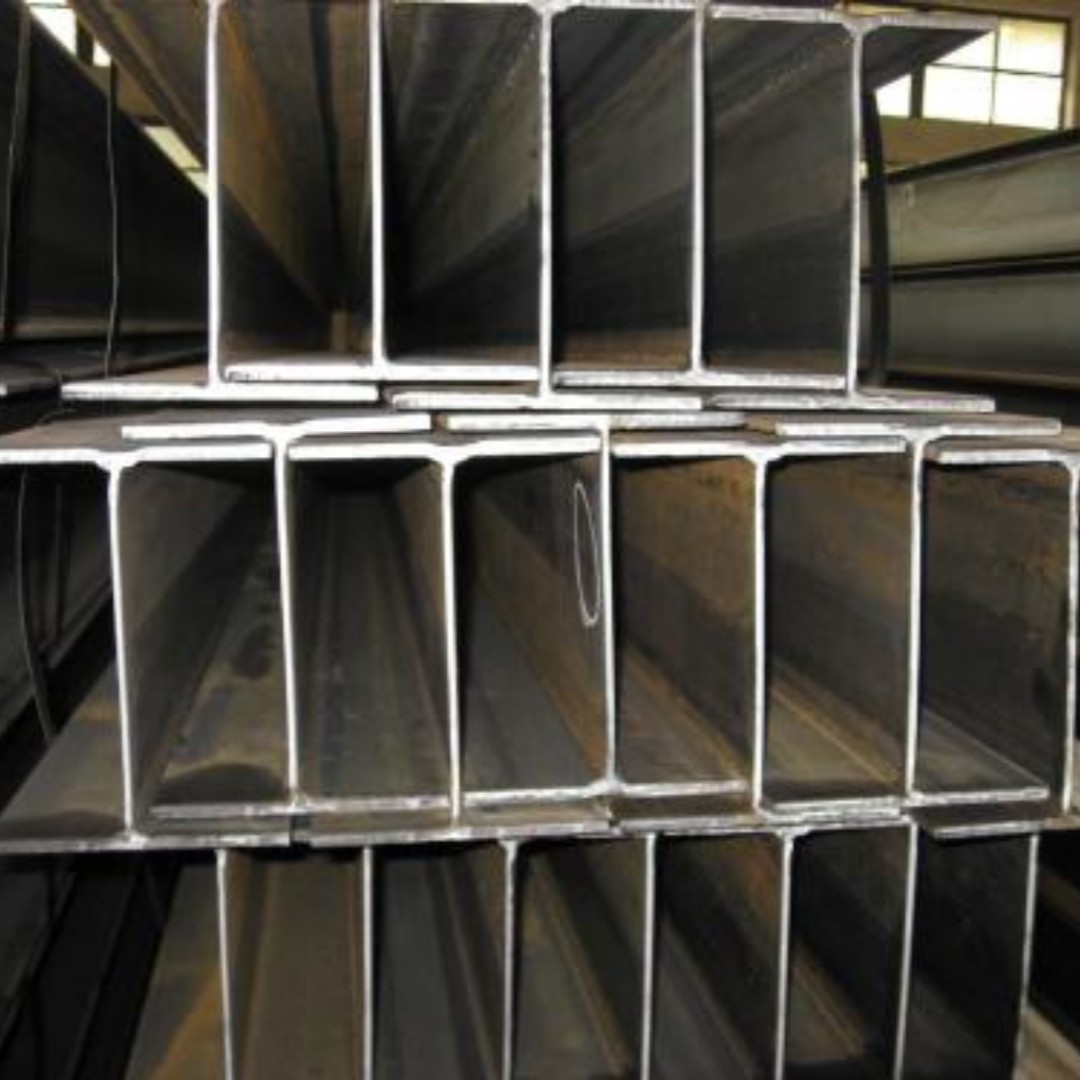
When a steel structure project moves from design to procurement, one of the first questions is whether to use H beams or I beams. The two sections look similar at a glance, but they are rolled differently, carry loads differently, and are priced differently. For buyers in Africa and the Middle East managing warehouses, workshops, bridges, or equipment foundations, understanding the difference saves both money and structural risk. This guide explains the real differences and gives you a practical selection path.
What Is an H Beam?
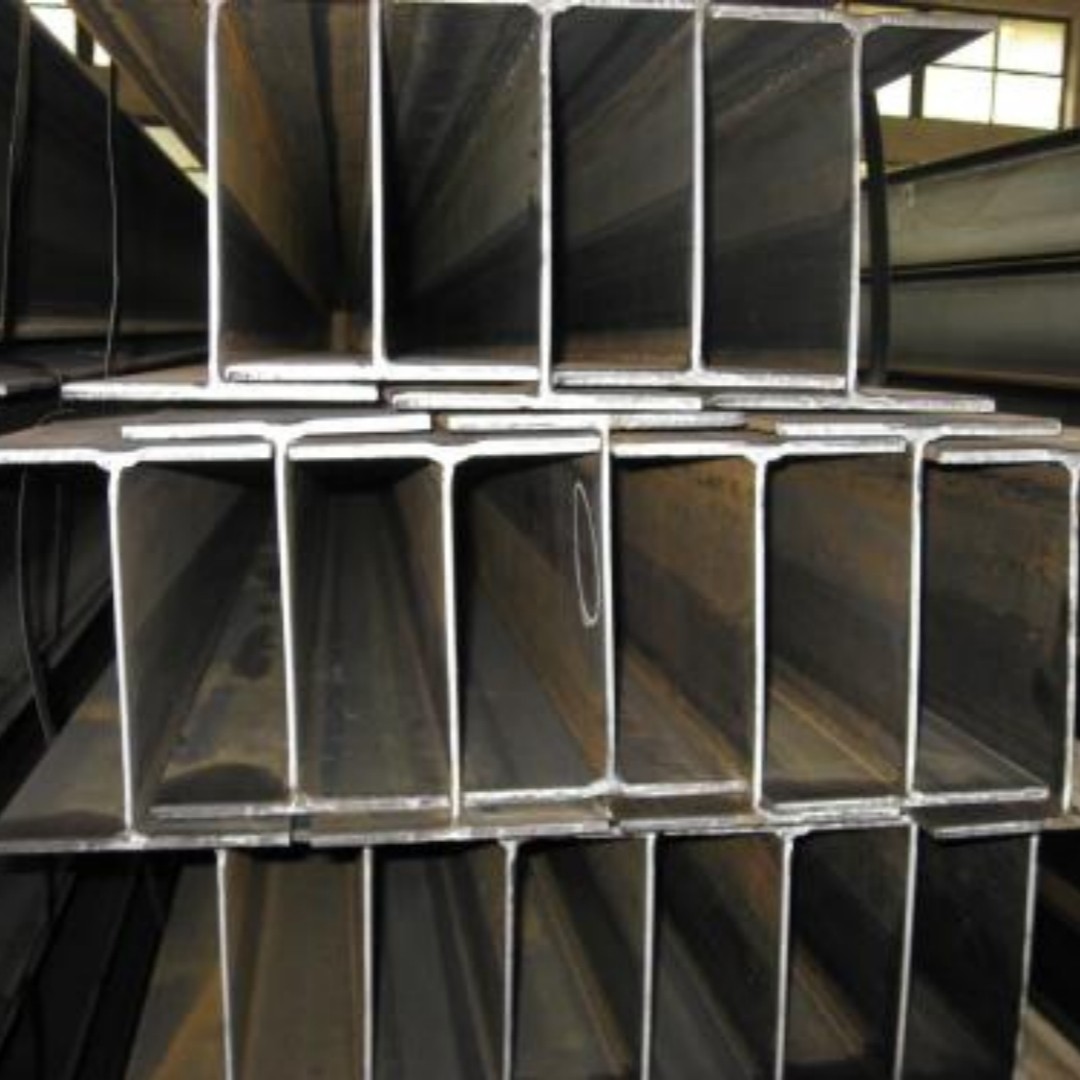
An H beam, also called a wide flange beam, has flanges whose inner and outer surfaces are parallel to each other. The web and flanges form a clear H shape in cross-section. Because the flanges are flat and wide, the section distributes material efficiently, which gives it high bending and compression capacity for its weight.
- Parallel flanges, wide and flat, ideal for bolted and welded connections
- Better section efficiency: more load capacity per kilogram of steel
- Common in columns and main beams of warehouses, workshops and multi-storey frames
- Typical size series: HW (wide), HM (medium) and HN (narrow flange) under GB/T 11263
What Is an I Beam?
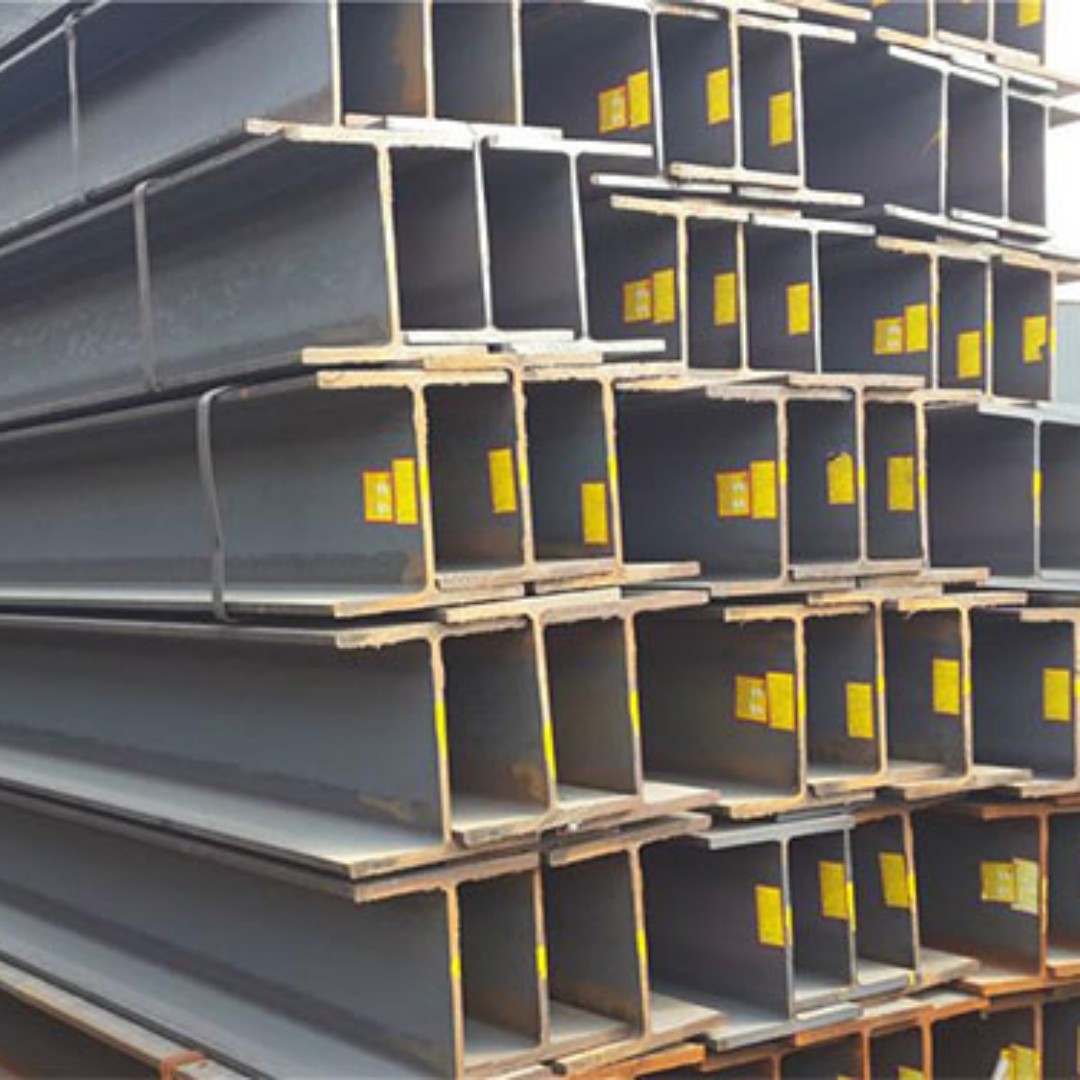
An I beam, sometimes called a universal beam or standard beam, has flanges that taper slightly from the web towards the flange edges. The inner faces of the flanges are inclined, which gives the cross-section its I shape. I beams are traditional rolled sections, lighter in the flange area, and are usually used where bending is mainly in one direction.
- Tapered flanges with inclined inner faces
- Efficient as single-direction bending members such as secondary beams and lintels
- Common in lighter frames, roof structures and repair works
- Typical designations: GB 10#-63# series, European IPE and IPN series
H Beam vs I Beam: Key Differences at a Glance
| Item | H Beam | I Beam |
|---|---|---|
| Flange shape | Parallel, wide and flat | Tapered, inner faces inclined |
| Section efficiency | Higher: more capacity per kg | Lower: more material in the web area |
| Load behaviour | Strong in bending and compression, good for columns | Best for single-direction bending |
| Connection | Easy bolting and welding on flat flanges | Possible, but flange slope needs attention |
| Typical use | Main frames, columns, heavy structures | Secondary beams, light frames, roof members |
| Common standards | GB/T 11263, ASTM A992/A36, EN 10025 | GB/T 706, ASTM A36, EN 10024 |
The values above are general engineering comparisons. Always confirm section dimensions, weights and allowable stresses against the specific standard edition cited in your design and mill certificate.
How to Choose Between H Beam and I Beam
Check the load direction
If the member carries heavy bending in two directions or high compression, such as a column or main girder, choose an H beam. For light single-direction bending, an I beam is often enough.
Compare cost per ton and per metre
H beams usually cost slightly more per ton than I beams, but the section does more work per kilogram. Compare the total steel weight of the frame, not just the unit price.
Match the standard your project uses
Projects following American practice commonly specify ASTM A992 or A36; Chinese and many African projects use GB/T 11263 with Q235B or Q355B; European-funded projects often call EN 10025 S235JR or S355JR.
Confirm availability and lengths
Ask the supplier for available sizes, standard lengths (6 m, 9 m, 12 m) and whether cutting and drilling can be done before shipment to reduce site work.
Common Grades and What They Mean
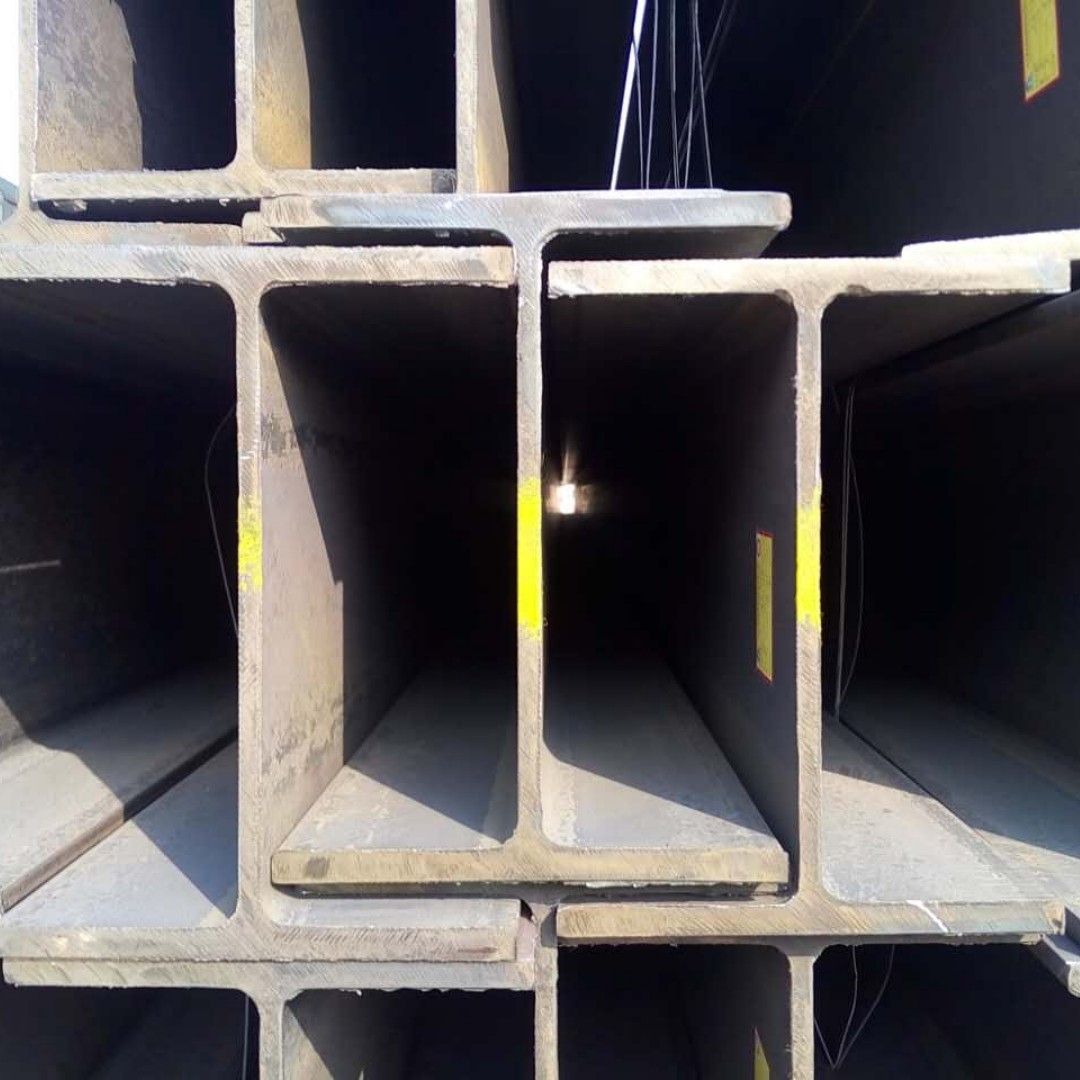
Grade quick reference
- Q235B (GB/T 11263): general structural use, weldable, economical, widely stocked
- Q355B (GB/T 11263): higher strength, reduces section size and total weight
- ASTM A992: preferred wide flange grade in American design practice
- ASTM A36: general carbon steel, easy to weld and fabricate
- EN 10025 S235JR / S355JR: European structural grades for EU-funded projects
Grade selection should come from the structural design. When in doubt, ask your engineer which grade the frame calculations assume, and make sure the mill certificate states the same grade and standard.
Frequently Asked Questions
Can I use an I beam where an H beam is specified?
Not without checking the design. The two sections have different section moduli and flange shapes, so substituting changes both strength and connection details. Only an engineer should approve a substitution.
Which is better for a steel warehouse frame?
Most modern warehouse frames use H beams for columns and main rafters because of their better efficiency and easier connections. I beams may appear in light secondary members.
How do I order the right size?
Provide the nominal size from your design, for example HW200x200x8x12, plus the standard, grade, length and quantity. A reliable supplier will confirm the theoretical weight per metre and the total tonnage before you order.
Does the flange slope matter for welding?
Yes. The flat parallel flange of an H beam makes fillet welds and bolted splices simpler and more consistent. The inclined flange of an I beam needs careful fit-up.
Select the Section, Then Source the Steel
Since 2015, our company has supplied H beams and I beams to steel structure projects across 118 countries and regions, with Africa and the Middle East as core markets. We supply Q235B, Q355B, ASTM A36/A992 and EN 10025 grades with mill certificates, and we can arrange cutting, drilling and container loading to match your schedule. Send us your section list and we will confirm sizes, weights and a quotation. You can also read more of our structural steel guides, review our beam and bar products, or contact our team directly.