Galvanized Wire Standards: ASTM A641 and Coating Weight Explained
- Share
- publisher
- Junnan Steel
- Issue Time
- Aug 6,2026
Summary
ASTM A641 galvanized wire explained: coating classes, coating weight in g/m2, verification method and environment-based selection.
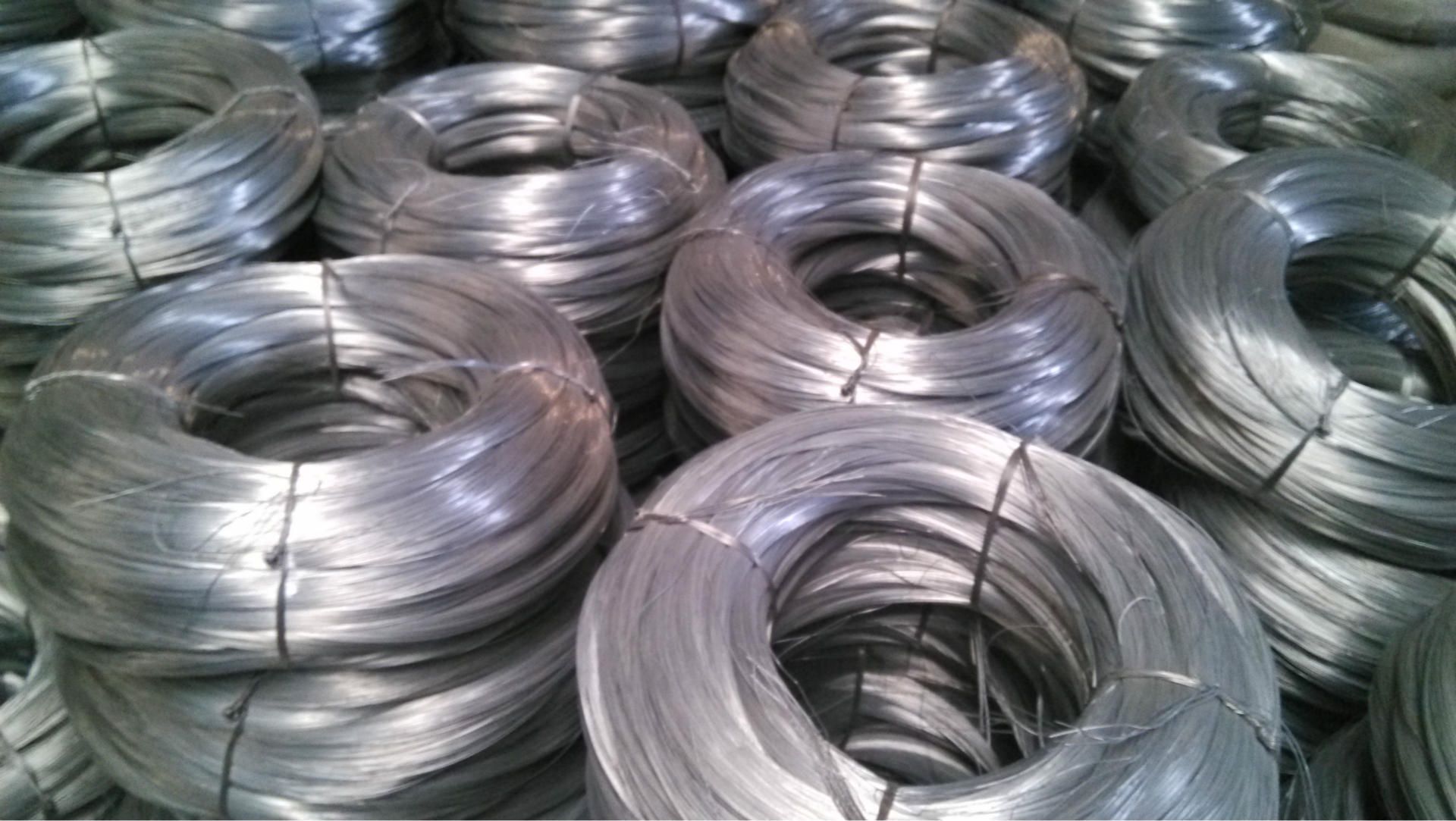
When buyers order galvanized wire, the most misunderstood specification is the zinc coating. A quotation that simply says "galvanized wire" tells you almost nothing, because the coating weight decides how long the wire survives outdoors. This article explains the most widely used standard, ASTM A641, and shows you how to read coating classes and verify what you actually receive. ASTM A641/A641M is the Standard Specification for Zinc-Coated (Galvanized) Carbon Steel Wire. It covers soft, medium, and hard temper galvanized wire in coils for general use, and it defines the minimum zinc coating weights for different classes of wire. Understanding this standard lets you specify exactly what you need instead of accepting whatever the supplier has in stock. Coating classes in galvanizing standards are commonly referred to as Class 1, Class 2, and Class 3, with Class 3 carrying the heaviest zinc coating. The exact minimum values depend on wire diameter and the specific standard edition, so treat the following as a reference guide, not a substitute for the standard text. Values shown are order-of-magnitude references to help you compare offers; the exact minimum coating weight for your wire diameter must be taken from the standard edition referenced on the certificate. The standard method for checking zinc coating weight is the weigh-strip-weigh test: a weighed sample of wire is stripped of its zinc coating by chemical means, then weighed again. The weight loss divided by the surface area gives the coating weight in g/m². Take a clean sample of known length and measure its diameter accurately. Record the initial weight of the sample. Immerse in the specified stripping solution until the zinc is fully removed. The difference in weight divided by the surface area gives the coating weight in g/m². For most buyers, this test is done by a third-party laboratory such as SGS or Intertek during pre-shipment inspection. You can also ask the mill to state the coating weight on the certificate and verify a sample on arrival. In the coastal and high-humidity regions of Africa and the Middle East, corrosion is the number one reason galvanized wire fails early. A fence built with Class 1 wire may rust through within a few years, while the same fence with Class 3 coating can last decades. The price difference between classes is small compared to the cost of replacing an entire fence. Heavier coating gives longer corrosion protection but slightly reduces flexibility and adds cost. Match the class to the environment rather than always choosing the maximum. Ask every supplier to quote the coating class AND the minimum coating weight in g/m² for your exact wire diameter. Comparing those two numbers is the only reliable way. Yes, but the zinc burns off at the weld point and produces fumes. For welded mesh, many buyers prefer welding first and galvanizing after, or using electro-galvanized wire. Since 2015, our company has supplied galvanized wire in multiple coating classes to buyers across 118 countries and regions, with Africa and the Middle East as core markets. We quote the coating class and weight clearly, supply mill certificates, and can arrange third-party coating tests before shipment. Tell us your wire diameter, temper, and service environment, and we will recommend the right coating class for your project. You can also read more of our wire guides, review our galvanized wire products, or contact our team for a quotation.Galvanized Wire Standards: ASTM A641 and Coating Weight Explained
What ASTM A641 Covers
Coating Classes and What They Mean
Class Relative Coating Weight Typical Use Service Environment Class 1 Lightest (e.g., ~30 g/m² order of magnitude) Indoor wire, short-term protection Dry interiors Class 2 Medium (e.g., ~60 g/m² order of magnitude) General fencing and outdoor wire Moderate outdoor exposure Class 3 Heaviest (e.g., ~240 g/m² order of magnitude for larger diameters) Coastal fencing, marine, long-life installations Coastal, humid, aggressive How Coating Weight Is Verified
Cut a sample
Weigh it
Strip the zinc
Weigh again and calculate
Why Coating Weight Matters in Hot, Humid Markets
Environment-Based Selection Guide
Other Things to Check on Your Galvanized Wire Order
Frequently Asked Questions
Is more zinc always better?
How do I compare offers from different mills?
Can galvanized wire be welded?
Specify the Coating, Protect Your Investment