Buying Wire Rod from China: A Step-by-Step Guide for First-Time Importers
- Share
- publisher
- Junnan Steel
- Issue Time
- Aug 7,2026
Summary
A step-by-step guide to importing wire rod from China: specification, quotations, supplier verification, payment, inspection and shipping.
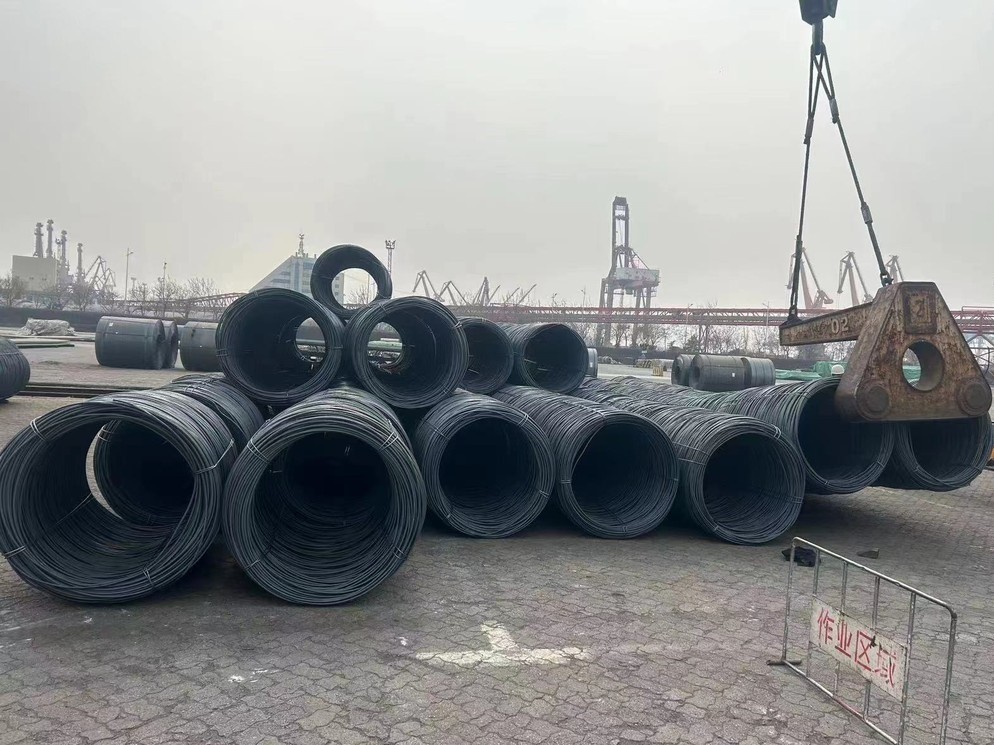
For many distributors and wire plants in Africa and the Middle East, China is the most competitive source of wire rod. But if this is your first import, the process can feel like a maze: quotations, standards, payment terms, inspections, shipping, and customs documents. This guide walks you through the entire journey in order, so you know what to expect at every step and how to protect your money and your production. The quality of every quote you receive depends on how clearly you define what you need. A vague inquiry produces vague prices and the wrong product. Chinese suppliers quote in different ways. Always ask each supplier for the same basis: same grade, same diameter, same standard, same quantity, same destination. Then compare these four numbers: A slightly higher price from a supplier with a track record of on-time shipment and correct documents is often cheaper in the end than a low price that leads to delays or quality disputes. Before sending any deposit, verify that you are dealing with a real, operational supplier. Ask for the business license and confirm the company name matches your contract and bank account. Legitimate suppliers can share bills of lading or shipping records of recent exports to your region. A live look at the mill or warehouse confirms the operation is real. Most reputable exporters welcome this. Wire transfers must go to a corporate account in the company's name, never a personal account. Common payment structures for first-time buyers include T/T with deposit, and L/C at sight. Each has trade-offs. For your first order, consider combining a small deposit with payment against inspection or documents. Never pay the full amount before goods are loaded and verified. An independent inspection protects both buyer and supplier. Companies such as SGS, BV, and Intertek operate in all major Chinese steel ports and can check quantity, diameter, surface, packing, and documents before the vessel sails. Once the cargo is loaded, your supplier sends you the document set. Check every document matches: the grade and quantity on the invoice, packing list, bill of lading, and mill certificates must all agree. At your destination, the goods clear customs based on your import license and the documents above. Work with a licensed clearing agent at your port; they know the local requirements, duty rates, and any standards certification needed for steel products. Most exporters quote from one 20ft container (roughly 20-28 tons) upward. Below that, freight cost per ton makes small orders uneconomical. From confirmed order to arrival at your port, allow roughly 6-10 weeks for production, shipping, and clearance, depending on your destination in Africa or the Middle East. Keep the MTCs and inspection report, document the issue with photos and samples, and file a claim with the supplier promptly. A contract with clear quality clauses protects you here. Since 2015, our company has exported wire rod and steel products to 118 countries and regions, with Africa and the Middle East as core markets. We guide first-time importers through specification, pricing, inspection, and shipping, and we provide the full document set with every order. Send us your specification and destination, and we will walk you through the process step by step. You can also read more of our steel guides, review our wire rod products, or contact our team to start.Buying Wire Rod from China: A Step-by-Step Guide for First-Time Importers
Step 1: Define Your Specification Before You Ask for Prices
Inquiry Checklist
Step 2: Compare Quotations Like-for-Like
Step 3: Verify the Supplier
Check business registration
Ask for recent shipment references
Request a video call or factory visit
Confirm the bank account
Step 4: Agree on Payment Terms That Protect Both Sides
Term How It Works Best For T/T 30/70 30% deposit, 70% against copy of shipping documents Established trust, lower banking costs T/T with 100% after inspection Full payment after third-party inspection at port First orders, building trust L/C at sight Bank guarantees payment against compliant documents Larger values, new relationships Step 5: Third-Party Inspection Before Shipment
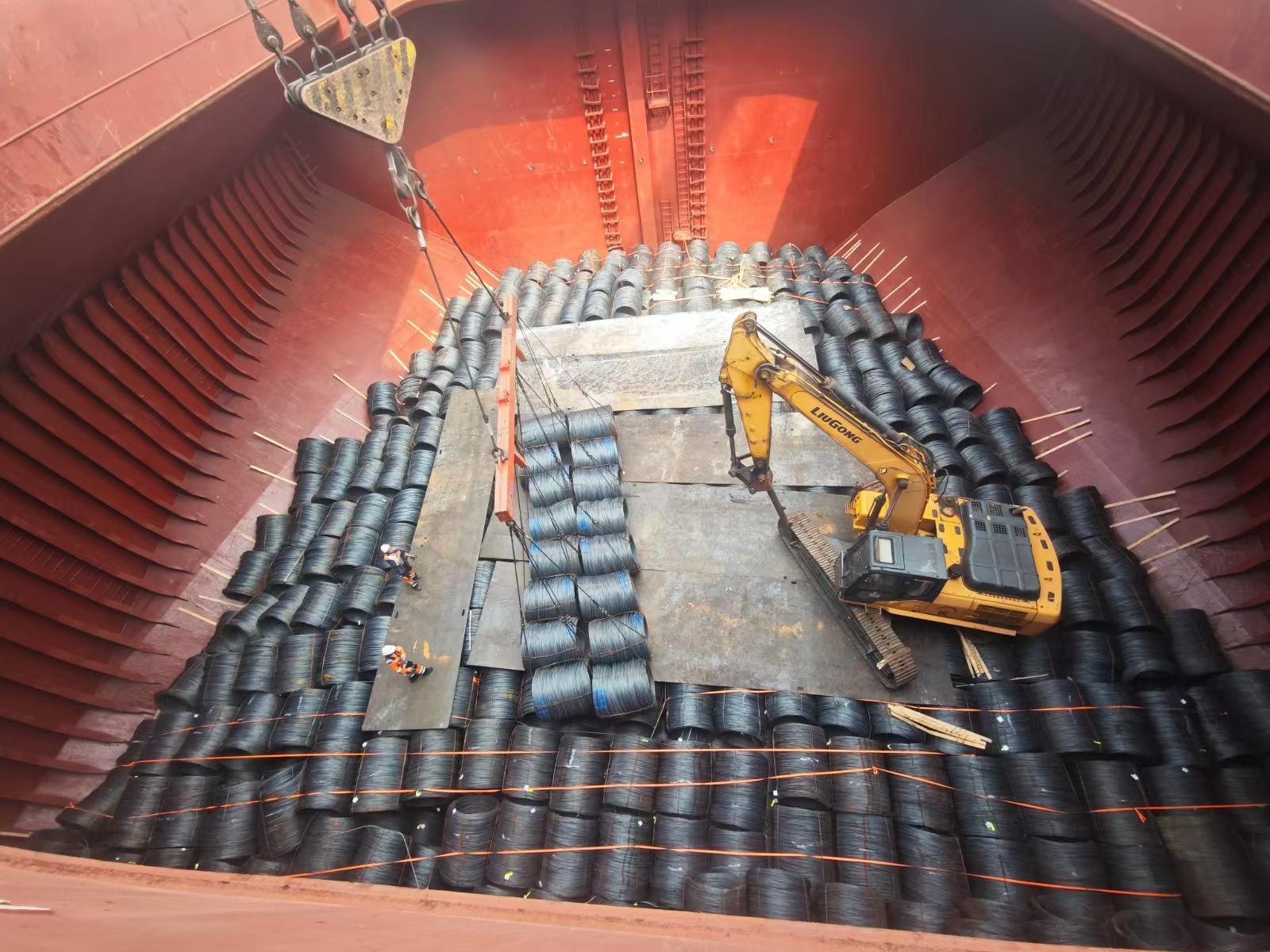
Step 6: Shipping and Documents
Documents to Check on Arrival
Step 7: Customs Clearance and Delivery
Frequently Asked Questions
What is the minimum order quantity for wire rod?
How long does the whole process take?
What if the quality does not match the certificate?
Start Your First Import with a Partner Who Guides You